If your Jeep Grand Cherokee’s engine light just came on, you might be feeling a bit worried or confused. What does that light really mean?
And more importantly, what should you do next? Understanding your Jeep Grand Cherokee engine light codes can save you time, money, and stress.
These codes are like secret messages from your vehicle, telling you exactly what's wrong under the hood.
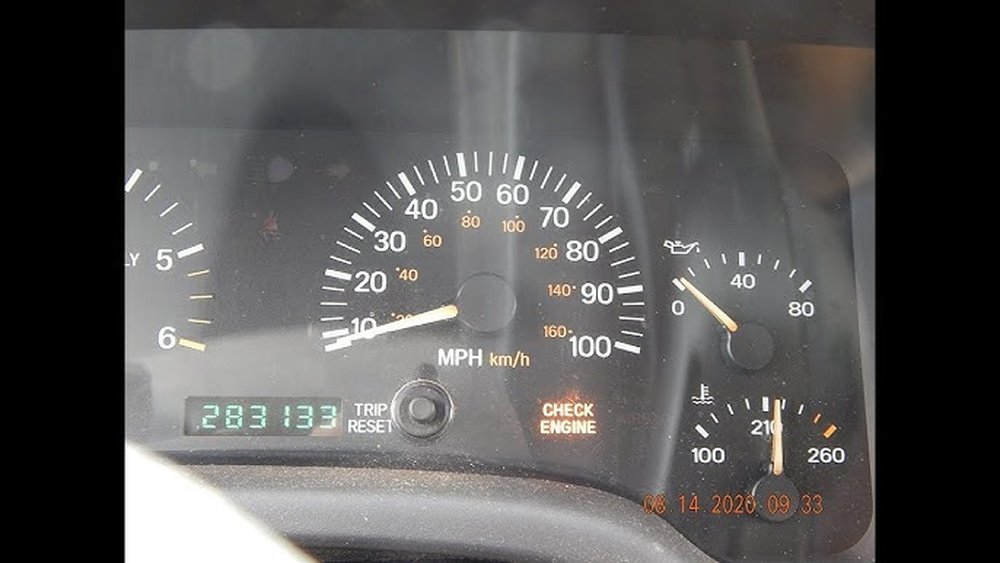
You’ll discover how to read those codes yourself, what the most common codes mean, and when you need to get professional help. Keep reading, because knowing this information puts you in control of your Jeep’s health and your peace of mind.

Reading Jeep Engine Codes
The check engine light on your Jeep Grand Cherokee signals various engine problems. Codes stored in the vehicle’s computer help identify these issues. Understanding common engine light codes saves time and money on repairs.
Each code points to a specific problem area. Knowing these codes helps you decide if a mechanic’s visit is necessary.
frequent engine light codes and their common causes.
Misfire Codes And Causes
Misfire codes, such as P0300, show when cylinders fail to ignite properly. Causes include worn spark plugs, bad ignition coils, or faulty fuel injectors.
Misfires can reduce engine power and increase emissions.
Catalyst System Issues
Catalyst system codes indicate problems with the catalytic converter or oxygen sensors. A failing catalytic converter or degraded oxygen sensor triggers these codes.
Ignoring them can harm emission control and fuel efficiency.
Evap System Leak Codes
EVAP leak codes point to leaks in the evaporative emission system. Common causes are a loose or missing gas cap and cracked vapor lines.
These leaks allow fuel vapors to escape, affecting emissions.
Coolant Thermostat Problems
Codes related to the coolant thermostat, like P0128, show thermostat or coolant issues. A stuck-open thermostat, low coolant level, or bad temperature sensor can cause engine overheating or poor fuel economy.
Oil Pressure Sensor Faults
Oil pressure sensor fault codes signal problems with the oil pressure sensor or low oil levels. Faulty sensors or low oil can damage the engine. Immediate attention prevents costly repairs.
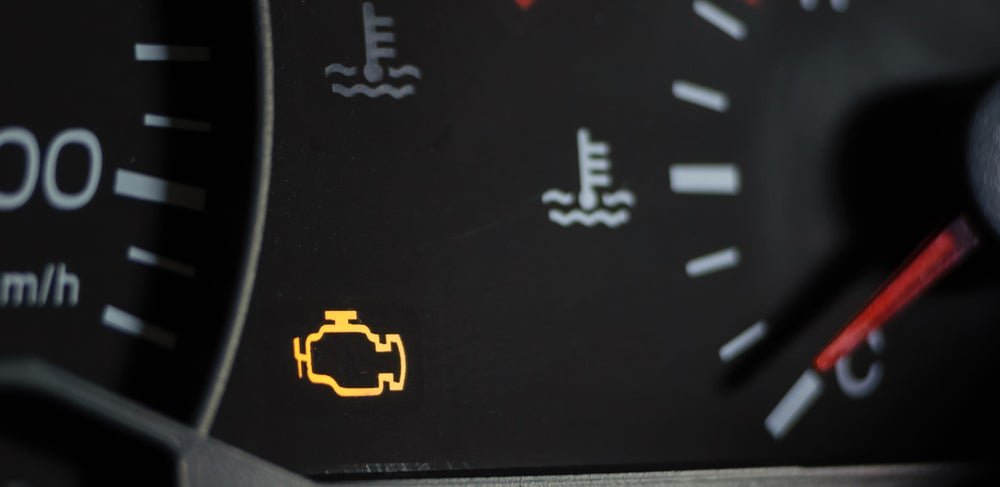
Common Engine Light Codes
Fixing engine light issues on your Jeep Grand Cherokee requires a clear approach. Understanding the possible causes helps you tackle the problem effectively. Each code points to a specific area needing attention. Addressing these issues quickly prevents further damage.
Below are common repairs that fix engine light problems and keep your Jeep running smoothly.
Spark Plug And Ignition Coil Repair
Faulty spark plugs cause engine misfires and trigger the engine light. Worn plugs reduce fuel efficiency and engine power.
Ignition coils supply power to spark plugs. A bad coil causes weak sparks and rough idling.
Replacing damaged spark plugs and coils restores smooth engine performance.
Replacing Oxygen Sensors
Oxygen sensors monitor exhaust gases and adjust fuel mixture. A failing sensor causes poor fuel economy and high emissions.
It also sets off the engine light. Replacing faulty oxygen sensors improves engine efficiency and lowers emissions.
This fix often clears the check engine warning.
Fixing Gas Cap And Vacuum Lines
A loose or damaged gas cap causes fuel vapors to leak. This triggers the evaporative emissions system and the engine light.
Cracked vacuum lines also cause leaks and engine issues. Tightening or replacing the gas cap and repairing vacuum lines stops leaks.
This simple fix often turns off the engine warning.
Thermostat And Coolant Solutions
The thermostat controls engine temperature by regulating coolant flow. A stuck thermostat leads to overheating or poor heating.
Low coolant levels or a bad temperature sensor also trigger engine light codes. Replacing the thermostat and topping off coolant fixes temperature problems and clears warnings.
Addressing Oil Sensor Problems
Oil pressure sensors monitor engine oil levels and pressure. A faulty sensor sends incorrect signals to the engine control unit.
This causes the engine light to turn on. Replacing the oil pressure sensor ensures accurate readings.
This prevents unnecessary warnings and protects engine health.
Fixing Engine Light Issues
Knowing when to seek immediate help for your Jeep Grand Cherokee’s engine light can prevent costly repairs. The engine light signals different problems, but some need urgent attention.
Acting fast can protect your vehicle and keep you safe on the road.
Flashing Engine Light Alerts
A flashing engine light means a serious problem. It often points to a severe engine misfire.
Driving with this warning can damage the catalytic converter. Stop driving as soon as it happens. Continuing can cause expensive repairs.
Potential For Severe Damage
Ignoring urgent engine light codes risks major engine damage. Overheating, low oil pressure, or faulty sensors can cause breakdowns.
Small problems can quickly grow into costly failures. Early repair helps avoid these risks and keeps your Jeep running smoothly.
Emergency Repair Steps
First, pull over safely. Turn off the engine to prevent damage.
Check the engine oil and coolant levels if possible. Call for roadside assistance or a tow service to the nearest mechanic.
Do not attempt to drive far until the problem is fixed.
Driving With Engine Light On
To understand the meaning behind your Jeep Grand Cherokee engine light codes, you need the right tools. Code reading tools help you find out what triggers the warning light.
They make diagnosing easier and faster. Different tools work for different needs and budgets.
Affordable Scanners
Affordable scanners plug into your Jeep’s OBD-II port. They show error codes on a small screen.
These devices cost less than $50. They are simple to use and good for basic code reading.
Some models offer extra features like live data. They help you check engine problems at home.
Mobile Apps For Diagnostics
Mobile apps connect to your Jeep using a Bluetooth OBD-II adapter. You use your smartphone or tablet to read codes.
Many apps are free or cost just a few dollars. They provide detailed code descriptions and troubleshooting tips.
Apps allow easy access to your vehicle’s health anytime.
Professional Diagnostic Services
Professional services use advanced tools for deeper analysis. Mechanics can read all codes and live sensor data.
They also clear trouble codes after repairs. This option suits complex problems or if you want expert advice. Professionals ensure accurate diagnosis and proper fixes.
Conclusion
Understanding Jeep Grand Cherokee engine light codes helps keep your vehicle running smoothly. These codes point to common issues like spark plugs, sensors, or gas caps.
Reading codes can be simple, using your dashboard or free tools at local stores.
Early detection saves time and money on repairs. Stay aware of what each code means for your Jeep's health.
Regular checks prevent bigger problems and ensure safer driving. Keep your Jeep in top shape by addressing engine light warnings promptly.