The Jeep Cherokee has been a familiar sight on roads for decades. Its strong reputation for reliability and versatility helped it become one of the most popular SUVs in the United States and around the world.
Over the years, the Cherokee has gone through many changes, and its discontinuation surprised many fans. If you want to know exactly when the Jeep Cherokee was discontinued, and why it happened, this article explains the full story in clear, simple words.
The History Of The Jeep Cherokee
The Cherokee name first appeared in 1974, as a two-door version of the Jeep Wagoneer. It quickly became known for its off-road capability and comfortable ride. Over the years, Jeep released several generations:
- First Generation (SJ): 1974–1983
- Second Generation (XJ): 1984–2001
- Third Generation (KJ): 2002–2007 (called Liberty in North America)
- Fourth Generation (KK): 2008–2012 (still Liberty in North America)
- Fifth Generation (KL): 2014–2026
The most famous model was the XJ Cherokee (1984–2001). It was compact, tough, and affordable. Many people still drive these older Cherokees today. The XJ’s simple design and strong engine made it popular with both families and off-road fans. It could handle rough roads but was also easy to drive in cities. The XJ is also known for lasting a long time, with many examples still running after decades.
Over time, Jeep updated the Cherokee with new technology, safety features, and improved comfort. Later generations, like the KL, added things like touchscreen displays, advanced safety systems, and smoother rides.
However, some older fans felt these changes made the Cherokee less rugged than before.
When Was The Jeep Cherokee Discontinued?
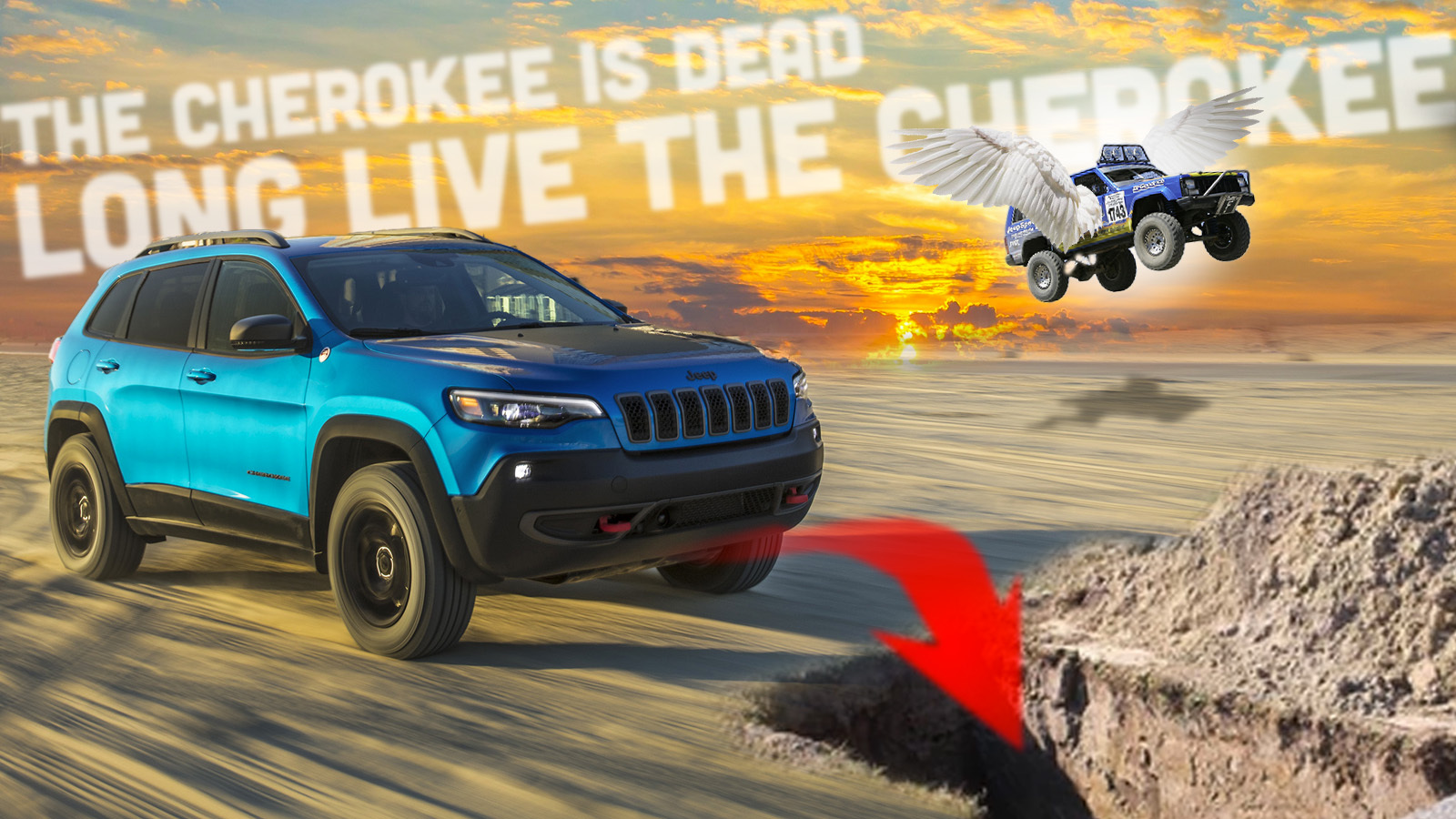
The Jeep Cherokee KL, the latest generation, was officially discontinued in 2026. Production stopped at the Belvidere Assembly Plant in Illinois in February 2026. Jeep confirmed that no new Cherokees would be built after this date.
The discontinuation was not sudden. Sales dropped by nearly 55% between 2018 and 2026, and Jeep shifted focus to other models. The last Cherokee rolled off the line in early 2026, marking the end of an era for this popular SUV.
Many drivers noticed fewer Cherokees at dealerships during 2026, as inventory became scarce. Some dealers offered discounts to clear out remaining stock, while others saw increased interest from buyers wanting one of the last models.
Jeep made sure to announce the end of production clearly, so buyers and owners were not caught off guard.
Discontinuation Timeline
| Year | Event |
|---|---|
| 2014 | Fifth generation (KL) launched |
| 2018 | Sales peak in the US |
| 2026 | Major sales decline |
| Feb 2026 | Production officially ended |

Why Did Jeep Discontinue The Cherokee?
Several reasons led to the end of the Cherokee:
- Declining sales: The Cherokee’s sales fell sharply, with less than 40,000 units sold in 2026 compared to over 230,000 in 2018.
- Changing market trends: More buyers wanted larger SUVs and crossovers, like the Jeep Grand Cherokee and Jeep Compass.
- Factory closure: The Belvidere factory was shut down due to high costs and low demand.
- New priorities: Jeep focused on electric and hybrid vehicles, investing in models like the Jeep Wagoneer and Jeep Wrangler 4xe.
Another important reason was competition. Many other brands released new compact SUVs with better fuel efficiency and newer features.
Buyers often chose models with advanced driver-assistance systems or hybrid engines, which the Cherokee did not offer in its later years.
Also, stricter government rules for emissions and safety pushed Jeep to rethink which models to keep.
Cherokee Vs Other Jeep Models (2026 Sales)
| Model | US Sales | Change vs 2018 |
|---|---|---|
| Jeep Cherokee | ~40,000 | -83% |
| Jeep Grand Cherokee | ~264,000 | +5% |
| Jeep Compass | ~137,000 | +35% |
Impact On Jeep Fans And Owners
The end of the Cherokee KL model affected many people:
- Dealerships stopped receiving new Cherokees for sale in early 2026.
- Owners worried about parts and service, but Jeep promised to support existing vehicles for years.
- Collectors started looking for last-production models, expecting their value to rise.
For families who owned Cherokees, the news came as a surprise. Some drivers felt the Cherokee was perfect for daily use and road trips, thanks to its balance of comfort and utility.
Owners of older models, especially the XJ, often shared stories online about their vehicles reaching over 200,000 miles.
Some fans hoped Jeep would bring back the Cherokee name in the future, possibly as an electric SUV. However, as of mid-2026, no official plans have been announced.
Jeep’s leadership has said they are listening to feedback but are focused on new projects.
Many Jeep clubs and forums continue to celebrate the Cherokee’s history, sharing tips for maintenance and restoration.

What Happens Next For Jeep?
Jeep is investing heavily in new technology and models. The company’s focus is now on:
- Electric vehicles (EVs): Jeep wants to launch several EVs by 2026.
- Larger SUVs: Models like the Wagoneer, Grand Cherokee, and Compass are the new priorities.
- Global expansion: Jeep is targeting markets outside the US, including Europe and Asia.
Jeep’s new direction means more advanced features, such as plug-in hybrids and improved safety options. Some upcoming models will include all-electric power, longer battery range, and smart connectivity for phones and devices.
The company is also working to make their vehicles more fuel-efficient and environmentally friendly.
The Jeep Cherokee may return one day, but for now, the brand is moving forward without it.
Key Differences: Cherokee Vs Grand Cherokee
| Feature | Cherokee (KL) | Grand Cherokee |
|---|---|---|
| Size | Compact SUV | Mid-size SUV |
| Engine Options | 2.4L, 3.2L V6 | 3.6L V6, 5.7L V8, Hybrid |
| Price Range (2026) | $29,000–$39,000 | $39,000–$70,000 |
| Seating | 5 | 5–7 |
The Grand Cherokee is more popular for families needing extra space or more powerful engines. It also offers more luxury features, such as leather seats and advanced navigation.
The Cherokee KL was designed for smaller families or individuals who wanted a vehicle that was easy to park and drive but still capable in snow and light off-road conditions.
Two Insights Most Beginners Miss
- Cherokee vs Liberty: Many people don’t realize that from 2002 to 2012, the Cherokee was called Liberty in North America. The Cherokee name returned in 2014 with the KL model. This change confused some buyers, but it allowed Jeep to refresh the design and features.
- Factory matters: The shutdown of Belvidere Assembly Plant was not just about one car—it affected hundreds of jobs and showed how much market demand shapes production decisions. The factory closure also sent a message to other car companies: if a model loses popularity, even well-known names can disappear.