The Jeep Rubicon is famous for its off-road power, and one feature that sets it apart is the axle lock system. If you’re new to off-roading or just got your Rubicon, you might wonder when and how to use axle lock.
Using it at the right moments can make tough trails easier and prevent getting stuck. In this article, you’ll discover practical advice, clear examples, and useful comparisons to help you understand when to use axle lock on your Jeep Rubicon.
What Is Axle Lock On Jeep Rubicon?
The axle lock is a system that locks the differential, making both wheels on an axle turn at the same speed. Usually, the differential lets wheels spin differently, which is helpful on normal roads. On tough terrain, though, it can cause one wheel to spin uselessly while the other stands still. Locking the axle solves this by forcing equal power to both wheels.
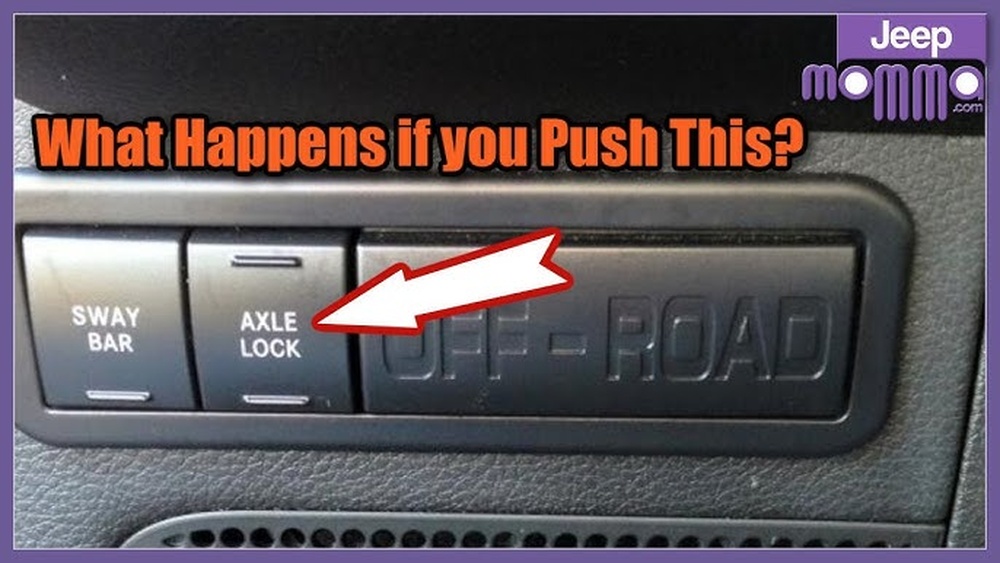
Jeep Rubicon offers front and rear axle locks, so you can choose which axle to lock based on the situation. Not every Jeep model has this feature, so it’s special to Rubicon and a few others.
When Should You Use Axle Lock?
Knowing when to use axle lock is key for safe and successful off-roading. Here are the main situations where it helps:
- Loose or uneven surfaces: When you drive on mud, snow, sand, or rocks, wheels can lose grip. Locking the axle keeps both wheels moving together, reducing the risk of getting stuck.
- Steep climbs: On hills, one wheel may slip while the other grips. Axle lock helps both wheels climb at the same speed, boosting traction.
- Crossing deep ruts: If your Jeep’s wheels drop into deep holes or ruts, locking the axle keeps power going to both wheels, even if one is off the ground.
- Rock crawling: For slow, careful driving over large rocks, axle lock makes sure your Jeep doesn’t lose momentum when one wheel slips.
- Descending rough slopes: If you need controlled descent and both wheels must stay engaged, axle lock helps prevent sliding.
Using axle lock in these moments is not just about power—it’s about control and confidence on tough terrain.
How To Use Axle Lock In Your Rubicon
Activating axle lock on the Rubicon is simple, but timing is important. Here’s a clear step-by-step guide:
- Switch to 4WD Low: Axle lock only works in 4WD low range. Shift into this mode before starting tough terrain.
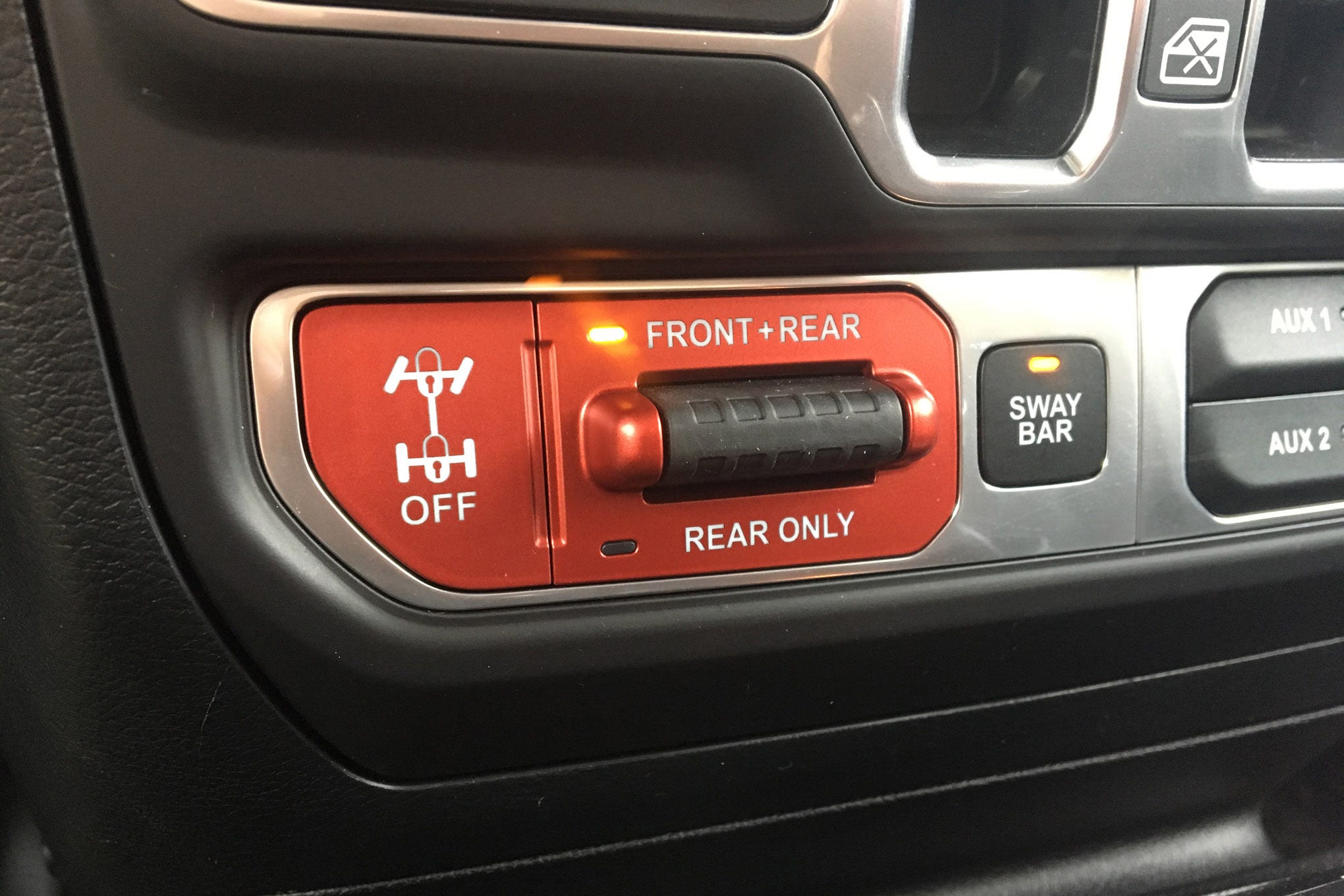
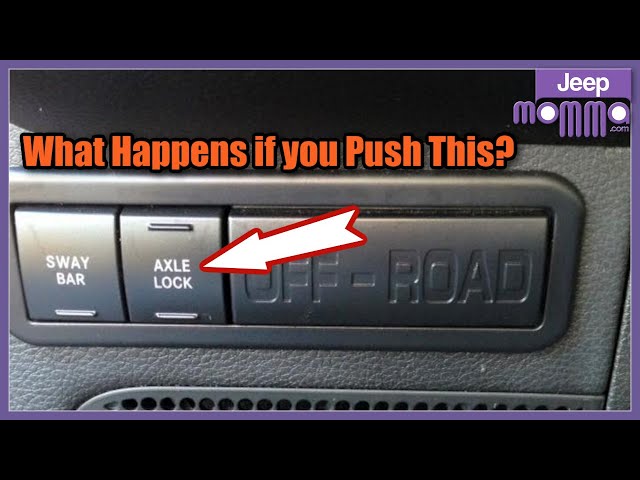
- Press the axle lock button: Choose front, rear, or both axles to lock. Wait for the indicator light to show the system is active.
- Drive slowly: Axle lock is designed for low speeds. Avoid using it at high speed—this can damage your Jeep.
- Unlock when not needed: Once you’re past the obstacle or rough patch, turn axle lock off. Keeping it on too long can cause wear.
A common mistake is using axle lock on normal roads or at high speed. This stresses the drivetrain and may cause expensive repairs.
Axle Lock Vs. Other Traction Features
Jeep Rubicon comes with several tools for tough terrain. How does axle lock compare to other systems?
| Feature | Best Use | Speed Range | Effect |
|---|---|---|---|
| Axle Lock | Extreme off-road | Low speed only | Locks wheels together |
| Traction Control | Slippery roads | Any speed | Brakes spinning wheels |
| 4WD High | Light off-road | Moderate speed | Splits power to all wheels |
| 4WD Low | Heavy off-road | Low speed | Boosts torque |
Axle lock is a special tool for difficult situations. If you use it too much, it can cause problems—use it only when needed.
Real-world Examples: Axle Lock In Action
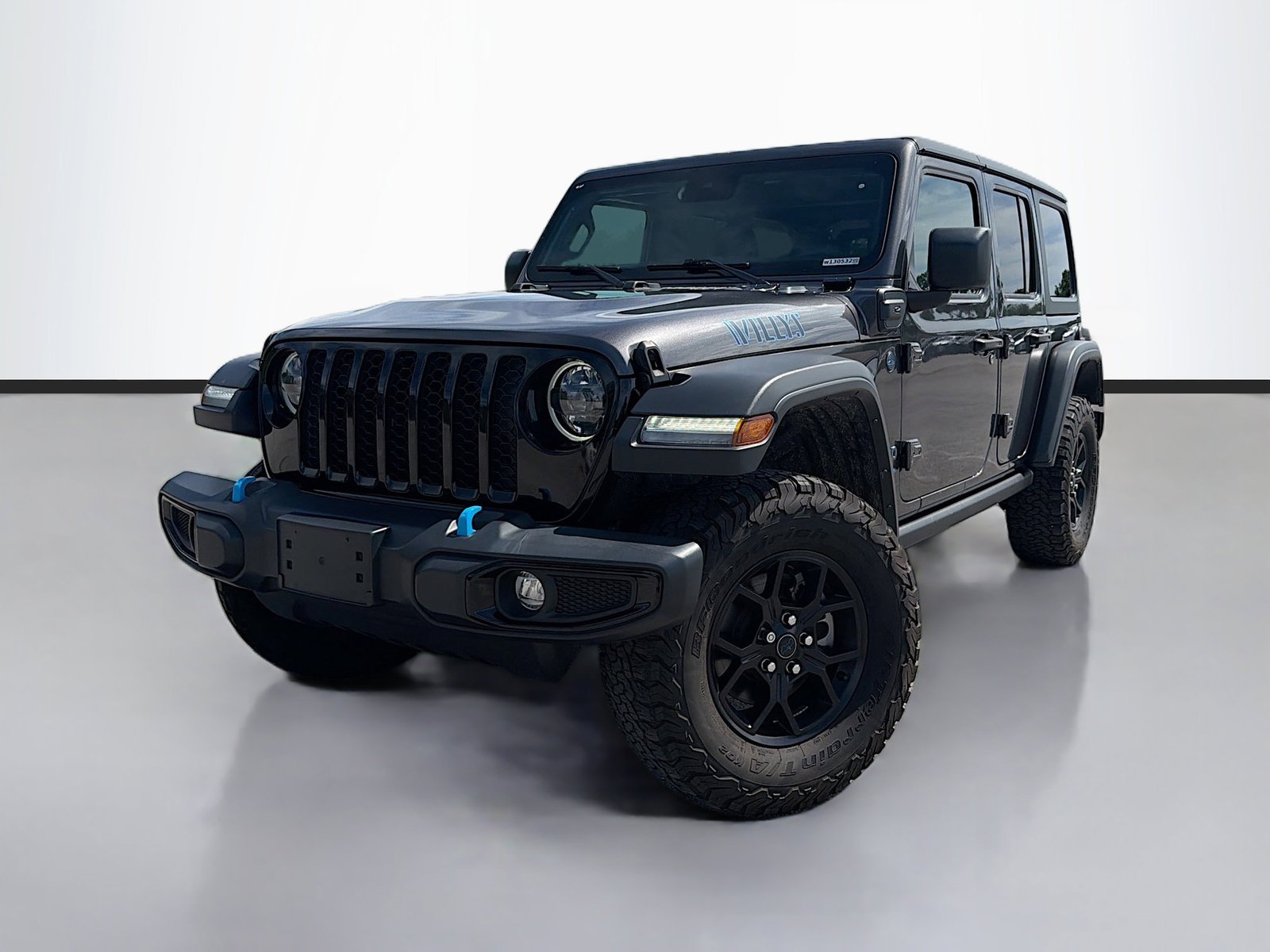
Imagine you’re driving your Rubicon through a rocky mountain trail. One wheel lifts off the ground as you cross a big rock.
Without axle lock, the lifted wheel spins and you lose traction. With axle lock, the wheel on the ground gets full power, helping you move forward.
Another example is deep mud. If one wheel sinks and loses grip, axle lock makes sure the other wheel keeps turning and helps pull you out.
These situations show why axle lock is essential for serious off-roading.
Front Vs. Rear Axle Lock: Which Should You Use?
Rubicon lets you lock the front, rear, or both axles. Each choice has a purpose:
| Axle | When to Use | Effect |
|---|---|---|
| Front | Rock crawling, deep ruts | Improves steering traction |
| Rear | Steep climbs, mud | Boosts pushing power |
| Both | Extreme conditions | Maximum traction, less steering |
Usually, start with the rear axle lock. Use the front only when extra grip is needed. Locking both is for the hardest challenges.
Common Mistakes Beginners Make
Many first-time Rubicon owners misuse axle lock. Here are mistakes to avoid:
- Using axle lock on paved roads: This can break parts.
- Forgetting to turn it off: Leads to fast wear.
- Trying to use at high speed: Axle lock is only for slow driving.
- Not switching to 4WD low: Axle lock won’t activate otherwise.
If you’re unsure, it’s better to wait and use axle lock only when you feel wheels slipping or losing grip.
Practical Tips For Using Axle Lock
- Plan ahead: Look at the trail and decide where axle lock might help.
- Go slow: Axle lock is for careful movement, not speed.
- Listen for noises: Strange sounds may mean something is wrong—stop and check.
- Practice: Try axle lock in a safe place before using it on tough trails.
Most experienced drivers say axle lock is best for short, tricky spots—not long stretches.