Jeep owners love adventure, but even the toughest vehicles need attention—especially their tires. Knowing when to replace Jeep tires is crucial for safety and performance.
If you ignore worn tires, you risk accidents, poor handling, and expensive repairs. Whether you drive on city streets or rugged trails, tire health matters.
This guide helps you spot signs of wear, understand what affects tire life, and choose the right time for replacement.

Key Signs You Need New Jeep Tires
Most Jeep owners wait too long before changing tires. Don’t rely only on age—watch for these clear signs:
1. Tread Depth
Safe tread is at least 2/32 inch. Anything less means your tires can’t grip the road. Use a penny: Insert it head-down into the tread. If you see Lincoln’s entire head, it’s time to replace.
2. Visible Damage
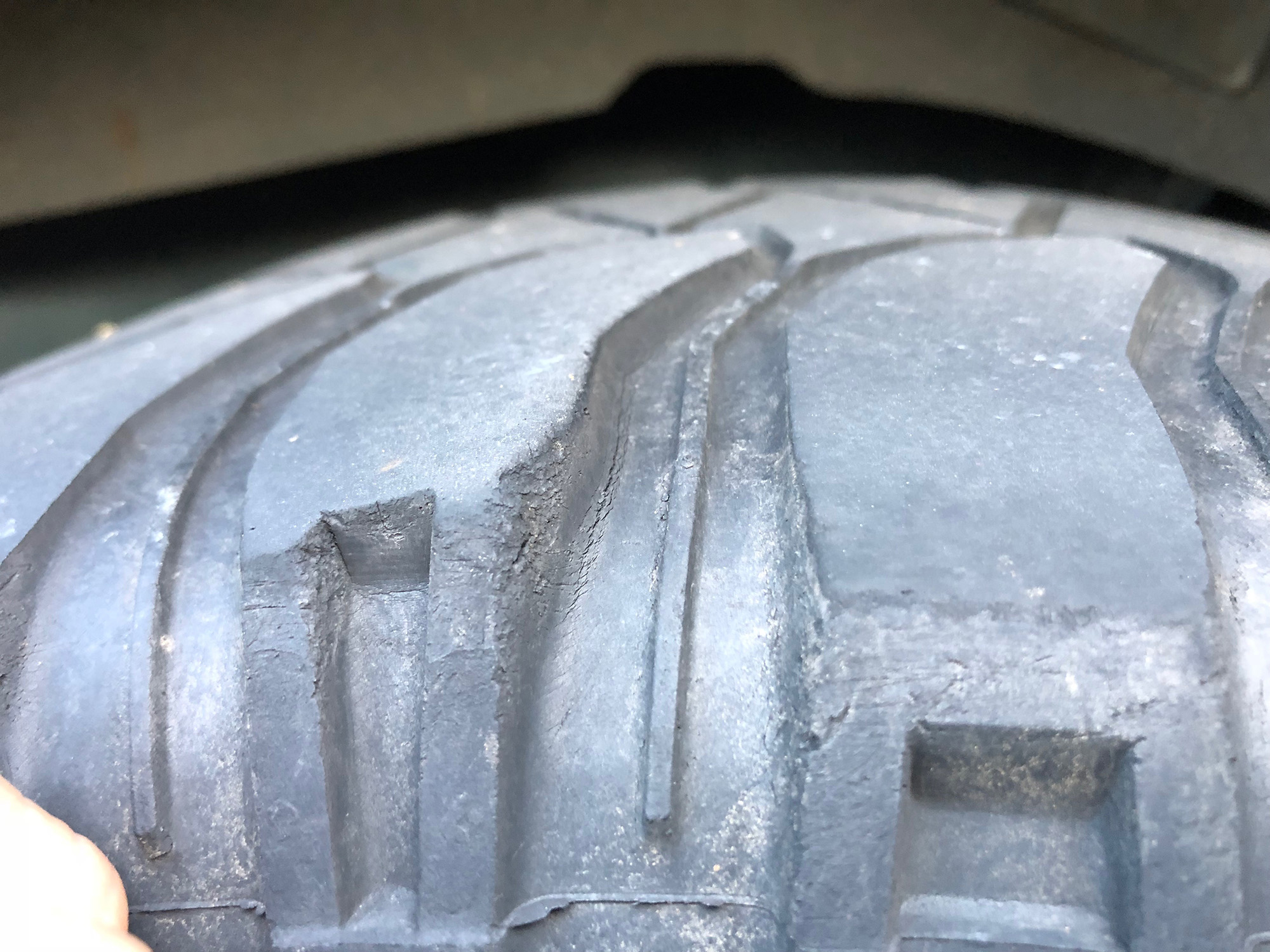
Look for cracks, bulges, cuts, or exposed wires. Damage like this can cause sudden blowouts.
Even a small bulge means the tire’s structure is weak.
3. Uneven Wear
If tread is deeper on one side, your Jeep may need alignment or the tire is worn out. Uneven wear reduces traction and can make your ride dangerous.
4. Vibration
Feeling shakes or vibration while driving often means a tire is damaged or worn. If rotation doesn’t fix it, check for replacement.
5. Loss Of Air Pressure
Tires losing air quickly, even after repairs, are often near the end of their life. Constant refilling is a warning sign.
Factors Affecting Jeep Tire Lifespan
Tire life isn’t just about miles or years. Several factors change how long your tires last:
| Factor | Impact on Lifespan | Example |
|---|---|---|
| Driving Style | Fast starts and stops wear tires faster | Off-roading vs highway cruising |
| Terrain | Rough surfaces cause more wear | Gravel, mud, rocks |
| Maintenance | Regular rotation extends life | Rotating every 6,000 miles |
| Climate | Extreme temperatures age tires faster | Hot summers in Arizona |
Even a well-maintained Jeep can need new tires sooner than expected. For example, if you drive mostly off-road, you may need to replace tires every 25,000 miles, while highway drivers can reach 50,000 miles.
Tire Age: Why Years Matter
Rubber breaks down over time, even if tread looks fine. Most experts say replace tires every 6 years—no matter the mileage. The maximum safe age is 10 years from manufacture. You can check the date on the sidewall: look for the DOT code. The last four digits show the week and year.
Example: DOT code ending in 2317 means the tire was made in week 23 of 2017.
| Tire Age | Risk | Recommendation |
|---|---|---|
| 0-5 years | Low | Check tread and damage |
| 6-10 years | Medium to High | Replace even if tread is good |
| Over 10 years | Very High | Do not use |
Many Jeep owners forget age is as important as tread depth. Old tires can fail suddenly even with little wear.
How Tire Types Affect Replacement Timing
Jeep owners use different tire types. Each has its own lifespan:
| Tire Type | Average Lifespan (Miles) | Best Use |
|---|---|---|
| All-Terrain | 40,000–60,000 | Mixed road and off-road |
| Mud-Terrain | 30,000–40,000 | Heavy off-roading |
| Highway/Touring | 50,000–70,000 | Mostly paved roads |
Mud-terrain tires wear out faster because rocks and mud are rough on rubber. If you switch between tire types for different seasons, always check both age and tread.
Common Mistakes Jeep Owners Make
Many drivers think tires are fine if they “look good. ” But this can be risky.
- Ignoring small cracks or slow leaks
- Only checking tread, not age
- Skipping regular rotation and alignment
- Buying cheap replacements that don’t fit Jeep specs
Another mistake: not checking the load rating and size. Jeep tires must handle heavy weight and rough terrain. Using wrong tires can cause accidents or poor performance.
Practical Tips For Extending Tire Life
You can’t stop tires from wearing out, but you can make them last longer:
- Rotate tires every 6,000–8,000 miles
- Keep them inflated to the recommended pressure
- Avoid sudden stops and starts
- Inspect tires monthly for damage
- Get regular alignment checks
Also, wash tires after off-roading to remove mud and rocks. This prevents tiny cracks and damage.