Jeep owners love their vehicles for adventure, power, and rugged roads. But even the toughest Jeep relies on its tires.
Knowing when to change Jeep tires is essential for safety, performance, and saving money. Many drivers wait too long or change too early, leading to wasted cash or dangerous driving.
In this article, you’ll discover clear signs to watch for, practical tips, and some surprising facts most beginners miss. If you want your Jeep to run strong and safe, read on.
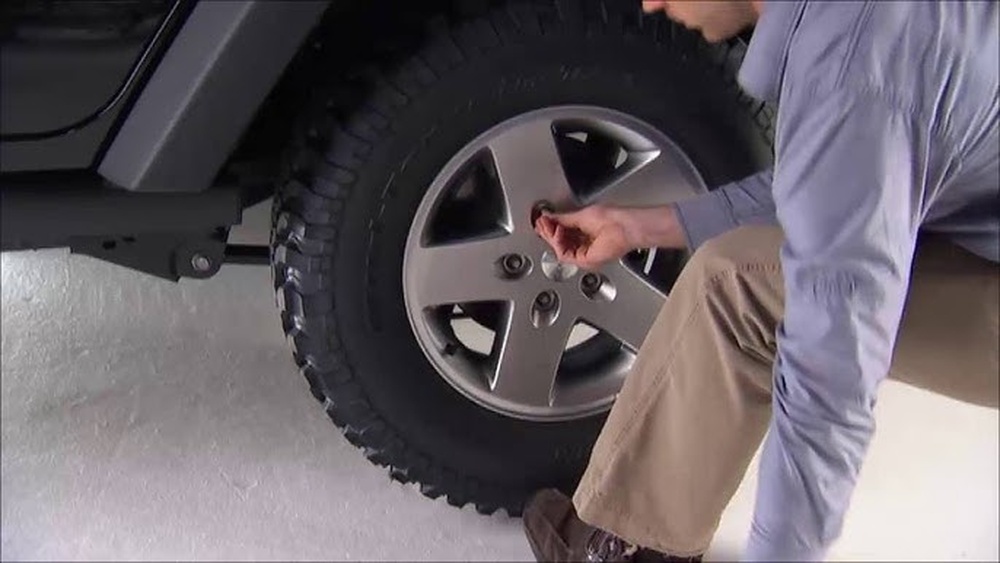
How Long Do Jeep Tires Last?
Most Jeep tires last between 30,000 to 50,000 miles. However, this range depends on the type of tire, road conditions, driving style, and maintenance. For example, aggressive off-road driving, heavy loads, and poor tire care can shorten lifespan.
Here’s a quick comparison of tire types and average mileage:
| Tire Type | Average Lifespan (miles) | Best For |
|---|---|---|
| All-Terrain | 40,000 | Mix of highway & off-road |
| Mud-Terrain | 30,000 | Heavy off-road |
| Highway | 50,000 | City & highway |
Non-obvious insight: Tire age matters as much as mileage. Even if you drive little, rubber weakens over time. Most tire makers recommend replacing tires after 6 years, even if tread looks fine.
Key Signs It’s Time To Change Jeep Tires
There are several clues your Jeep needs new tires. Ignoring these signs can lead to poor handling, longer stopping distances, or even blowouts.
1. Tread Depth Is Low
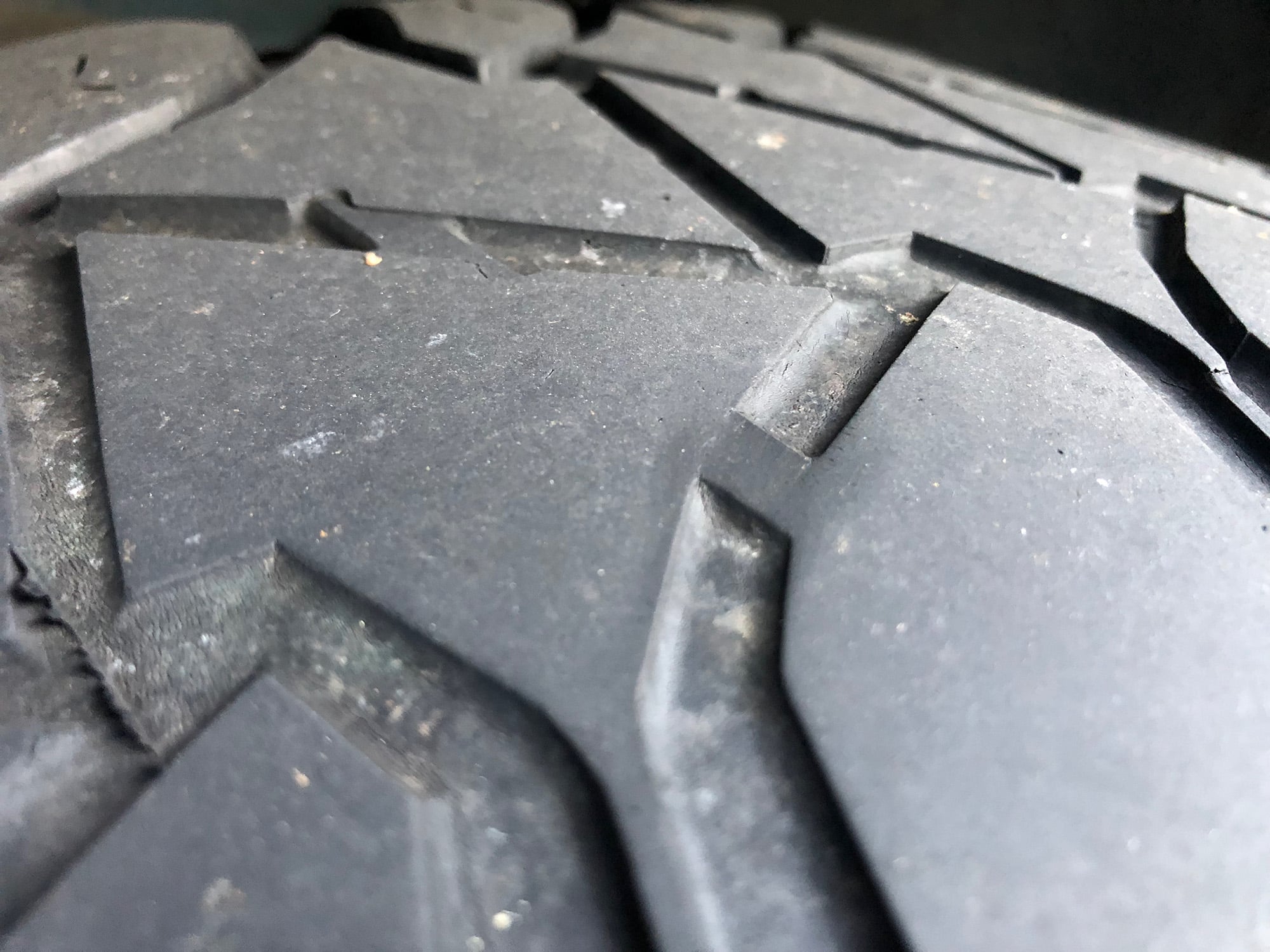
A safe tire tread depth is at least 2/32 of an inch. Use a penny test: place a penny in the tread with Lincoln’s head down. If you see all his head, your tread is too low.
2. Cracks Or Bulges
Look for visible cracks, splits, or bulges on the sidewall. These can signal weakened rubber and risk of tire failure.
3. Uneven Wear
If the tread is worn more on one side, it may mean alignment problems, but it also means tires should be replaced soon.
4. Frequent Air Loss
If you often refill air, your tires may have leaks or internal damage.
5. Vibration Or Noise
Excess vibration, even on smooth roads, can mean tire damage or imbalance.
6. Age Over 6 Years
Check the DOT code on the tire’s sidewall for the manufacture date. Tires older than 6 years should be replaced, even if they look good.

How Driving And Terrain Affect Tire Life
Jeep tires face unique challenges compared to regular cars. Off-road driving, rocky terrain, and heavy loads can wear tires faster.
Consider these factors:
- Off-road driving: Mud, rocks, and sand can cause faster tread wear and sidewall cuts.
- Highway driving: Tires last longer but can suffer from heat buildup, leading to dry rot.
- Heavy loads: Carrying gear or towing shortens tire life due to extra pressure.
Here’s a table to show tire life differences:
| Driving Style | Estimated Tire Life (miles) |
|---|---|
| Mostly Off-Road | 20,000–30,000 |
| Mixed Use | 30,000–40,000 |
| Mostly Highway | 40,000–50,000 |
Non-obvious insight: Rotating your tires every 5,000–7,000 miles can extend their lifespan. Many Jeep owners skip this, but rotation helps even out wear.
How To Check Jeep Tires Properly
Checking your tires isn’t just about the tread. Here’s a simple routine:
- Inspect tread with a penny or tread gauge.
- Examine sidewalls for cracks or bulges.
- Check tire pressure monthly.
- Look for nails, stones, or other objects stuck in the tire.
- Check age using the DOT code (last four digits show week and year).
Many beginners miss the importance of checking all five tires. If your Jeep has a spare, check it too. A bad spare can leave you stranded.
Common Mistakes Jeep Owners Make
Avoid these mistakes when deciding to change tires:
- Waiting until tires are bald.
- Ignoring age, only looking at tread.
- Not checking the spare.
- Missing uneven wear signs.
- Using the wrong tire for their driving needs.
Choosing tires that match your driving style is crucial. For example, mud-terrain tires are great for off-road but wear quickly on pavement.
Cost Of Changing Jeep Tires
Changing Jeep tires isn’t cheap, but safety is worth it. Prices vary based on size, type, and brand.
Here’s a quick price comparison:
| Tire Type | Typical Price (each) |
|---|---|
| All-Terrain | $150–$250 |
| Mud-Terrain | $200–$350 |
| Highway | $100–$200 |
Installation, balancing, and disposal fees can add $20–$30 per tire. It’s smart to shop around and ask for all-in prices.
Expert Tips For Longer Jeep Tire Life
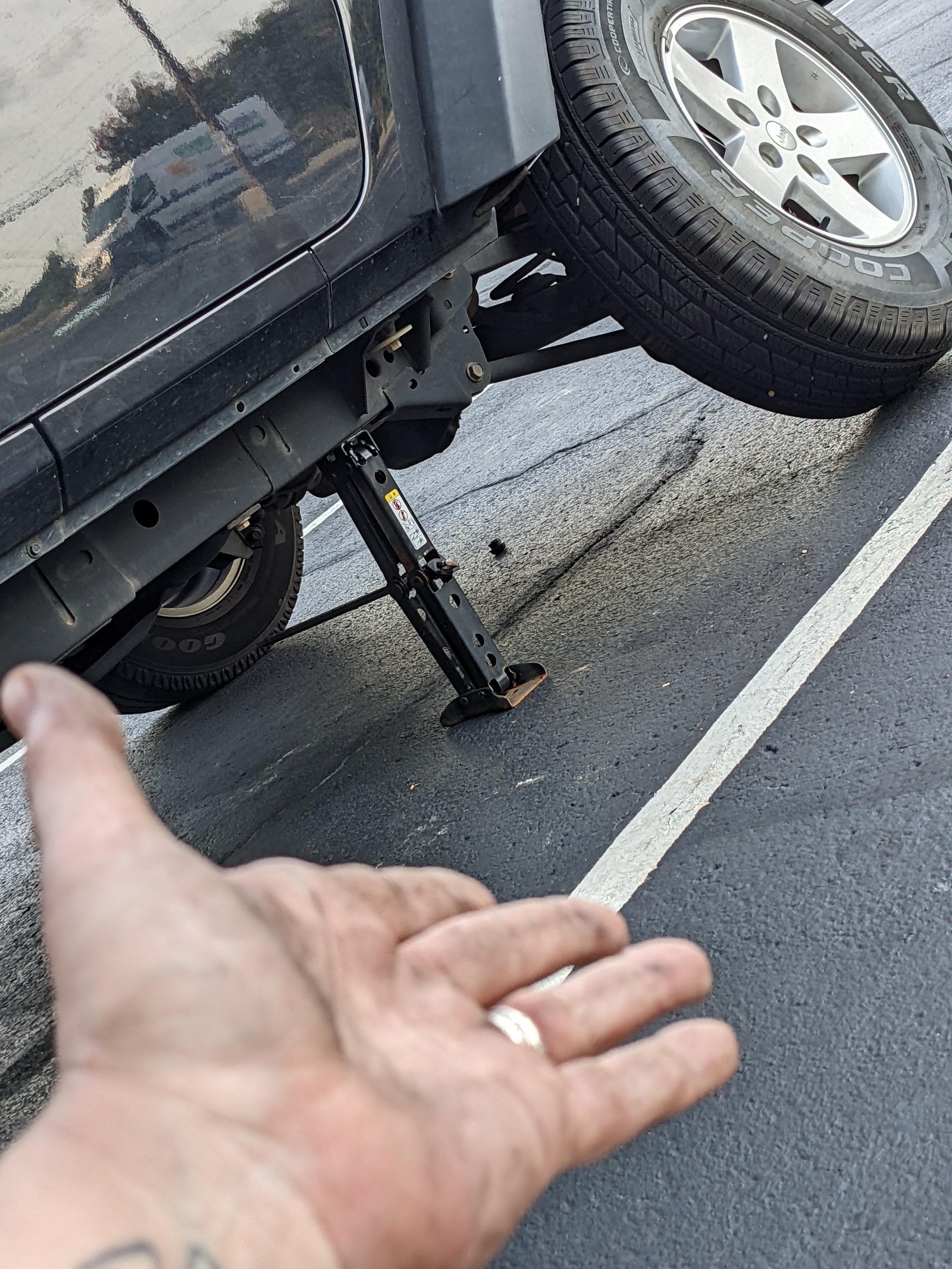
If you want to get the most out of your Jeep tires:
- Rotate tires regularly.
- Keep tires inflated to the recommended pressure.
- Balance and align wheels as needed.
- Avoid harsh braking and sharp turns.
- Clean tires after off-road trips.
Using tires built for your terrain helps too. If you mostly drive highways, choose highway tires for longer life.
For more details on tire safety and care, visit the National Highway Traffic Safety Administration.
Frequently Asked Questions
How Can I Tell If My Jeep Tires Are Too Old?
Check the DOT code on the sidewall. The last four digits show the week and year of manufacture. If your tires are over 6 years old, it’s time to replace them.
What Happens If I Drive With Worn Jeep Tires?
Worn tires lead to poor traction, longer stopping distances, and higher risk of blowouts. In rainy or snowy conditions, this can cause accidents.
Is It Okay To Replace Only Two Jeep Tires?
It’s best to replace all four, especially for four-wheel drive Jeeps. Different tread depths can damage your drivetrain. If you must replace only two, put the new ones on the rear.
How Often Should I Rotate Jeep Tires?
Rotate tires every 5,000–7,000 miles. This helps ensure even wear and extends tire life.
Can I Use Highway Tires On My Off-road Jeep?
Highway tires are safe for city and highway driving but don’t perform well off-road. For rough terrain, use all-terrain or mud-terrain tires.
Keeping your Jeep tires in top shape means more than just looking at tread. Watch for age, cracks, and uneven wear.
Check all your tires—including the spare—often. Choosing the right tires and changing them at the right time keeps your Jeep safe and ready for adventure.


















