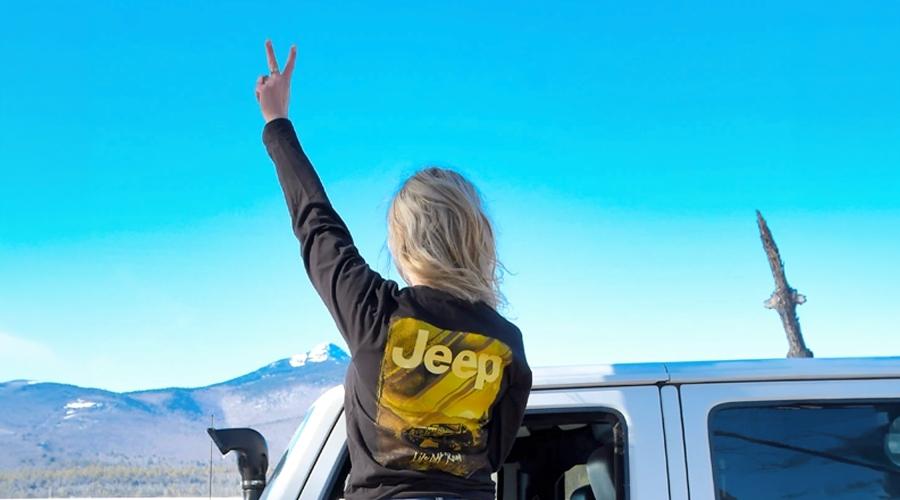
The Jeep Wave is more than a simple gesture. It’s a sign of respect, connection, and pride among Jeep owners across the world.
Whether you’re on a dusty trail or driving downtown, seeing another Jeep and exchanging the wave is an experience that feels special.
But when did this tradition begin? The history behind the Jeep Wave is a mix of fact, legend, and community spirit.

Let’s dive into how this iconic greeting started, why it matters, and how it shapes the Jeep culture today.
Early Beginnings: World War Ii And The Birth Of Jeep
The Jeep Wave is often linked to the origins of the Jeep itself. The first Jeeps were built for the U.S. Army during World War II. Soldiers used these vehicles everywhere—from Europe to the Pacific. Because Jeeps were so important, drivers developed a sense of camaraderie. When passing each other, they’d acknowledge fellow soldiers with a quick wave.
Some say the Jeep Wave began as a secret signal. Soldiers wanted to show they were friend, not enemy. Others believe it was simply a way to recognize a shared experience—riding in the same rugged vehicle under tough conditions.
The first civilian Jeeps arrived in 1945. Returning soldiers brought their habits home.
The wave continued, now among civilians who owned this iconic vehicle. It was a sign that you were part of something bigger.
How The Jeep Wave Spread
After the war, Jeep became a symbol of freedom and adventure. As more models appeared, the Jeep Wave grew. Owners felt a connection not just to the vehicle, but to each other. The wave became a tradition.
Jeep clubs formed in the 1950s and 1960s. These groups helped keep the wave alive. When you joined a club, you learned the rules: always wave to another Jeep. Over time, the wave moved from off-road trails to city streets.
Today, the Jeep Wave is recognized globally. It’s seen on highways, in small towns, and even in other countries.
The wave means “I see you. We share something. ”
What Makes The Jeep Wave Unique?
Unlike other car gestures, the Jeep Wave is only for Jeep drivers. It’s not just a friendly hello. It’s about belonging. This tradition stands out for several reasons:
- Community: Jeep owners feel part of a group, even if they’ve never met.
- History: The wave connects today’s drivers to the past, especially to soldiers who first drove Jeeps.
- Exclusivity: Not all vehicles get a wave. It’s special, and Jeep owners take pride in it.
Jeep has even recognized this tradition officially. In 2020, they launched the “Jeep Wave” customer program, which offers perks to owners.
This shows how important the wave is to the brand.
Jeep Wave Vs. Other Automotive Traditions
Jeep isn’t the only car with a culture, but its wave is unique. Let’s compare the Jeep Wave to other automotive gestures:
| Gesture | Vehicle Type | Purpose |
|---|---|---|
| Jeep Wave | Jeep models only | Community & recognition |
| Motorcycle Wave | Motorcycles | Safety & brotherhood |
| Classic Car Nod | Vintage cars | Appreciation |
| Truck Salute | Pickup trucks | Respect |
While other drivers might wave or nod, the Jeep Wave is more organized. There’s even a “Jeep Wave Hierarchy.
” This means some Jeeps get more waves than others, depending on the model or modifications.
The Jeep Wave Hierarchy
Not all Jeep Waves are equal. Some owners notice that certain Jeeps get more waves. Here’s a quick look at this phenomenon:
| Jeep Model | Wave Frequency | Reason |
|---|---|---|
| Wrangler (Classic) | Very High | Tradition & off-road capability |
| Cherokee | Medium | Popular but less iconic |
| Renegade | Low | Newer, less connection |
| Grand Cherokee | Medium | Family use |
Wrangler drivers get the most waves. Modified or older Jeeps also receive more respect. If you drive a newer model, you might notice fewer waves. This isn’t official—it’s just part of the unwritten Jeep culture.
The Jeep Wave keeps evolving. Social media has made it more visible.
There are hashtags like #JeepWave and hundreds of posts showing drivers exchanging waves. Jeep’s official programs also encourage the tradition.
Statistics show that Jeep owners are highly loyal. In 2022, Jeep ranked in the top five for brand loyalty in the U.
S. The wave plays a role in this loyalty.
It makes owners feel connected and part of a unique group.
Jeep’s customer program, “Jeep Wave,” offers benefits like free oil changes and car washes. It’s a modern twist on the old tradition, turning the wave into something official.
Two Insights Most Beginners Miss
- The wave isn’t automatic. You must be aware and willing. Many beginners forget to wave, especially when driving in busy areas.
- Modifications matter. Jeeps with off-road tires, winches, or classic looks get more waves. New owners might not realize how much these details affect the community response.
Why The Jeep Wave Still Matters
The Jeep Wave is more than just a habit. It connects people who value freedom, adventure, and history.
It welcomes new drivers and celebrates old ones. Even as Jeep changes, the wave remains a small gesture with a big meaning.
Whether you drive a classic Wrangler or a new Grand Cherokee, the wave is a reminder: you’re part of the Jeep family. To learn more about the history of Jeep and its culture, visit Wikipedia.
Frequently Asked Questions
When Did The Jeep Wave Start?
Most sources link the Jeep Wave to World War II. Soldiers waved to each other while driving Jeeps, and the tradition carried over to civilian life in 1945.
Is The Jeep Wave Official?
Jeep recognized the wave officially in 2020 with the “Jeep Wave” program, but the gesture itself started as an informal tradition among drivers.
Which Jeep Models Get The Most Waves?
Wrangler models—especially older or modified ones—receive the most waves. Other models like Grand Cherokee or Renegade get fewer.
What Happens If I Don’t Wave Back?
There’s no penalty, but some drivers see it as rude or a missed opportunity. Waving is about respect and community.
How Do I Do The Jeep Wave?
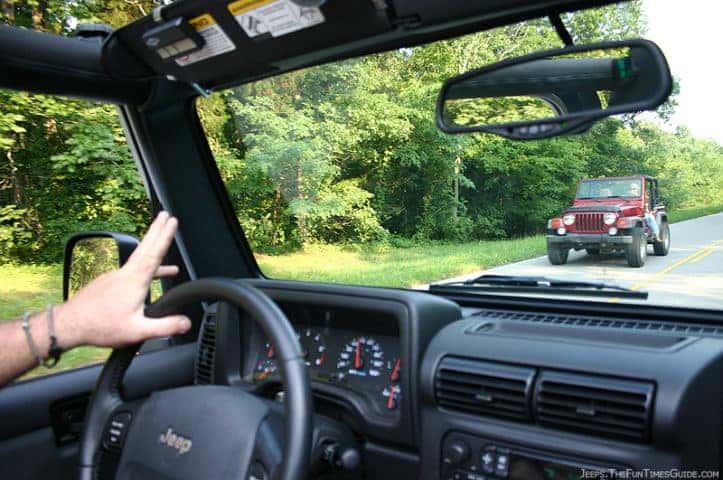
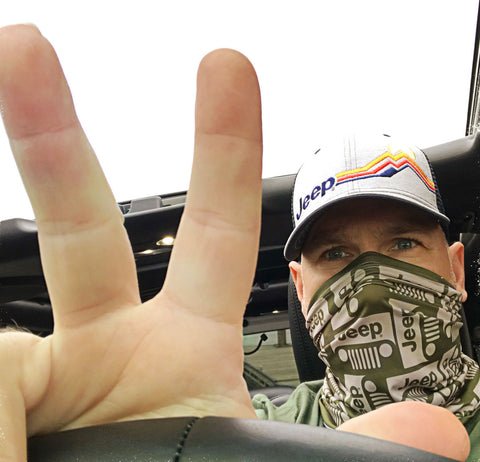
A simple lift of your hand or two fingers above the steering wheel is enough. The gesture is quick, friendly, and easy to spot.