Starting a Jeep may seem simple, but the process can vary depending on the model, year, and whether it’s manual or automatic. Many people also worry about safety and possible mistakes.
Understanding these steps will help you avoid problems, protect your vehicle, and enjoy your drive—whether you're on the road or off it. This guide is designed for beginners, but it includes important details even experienced drivers might miss.
Understanding Your Jeep’s Ignition System
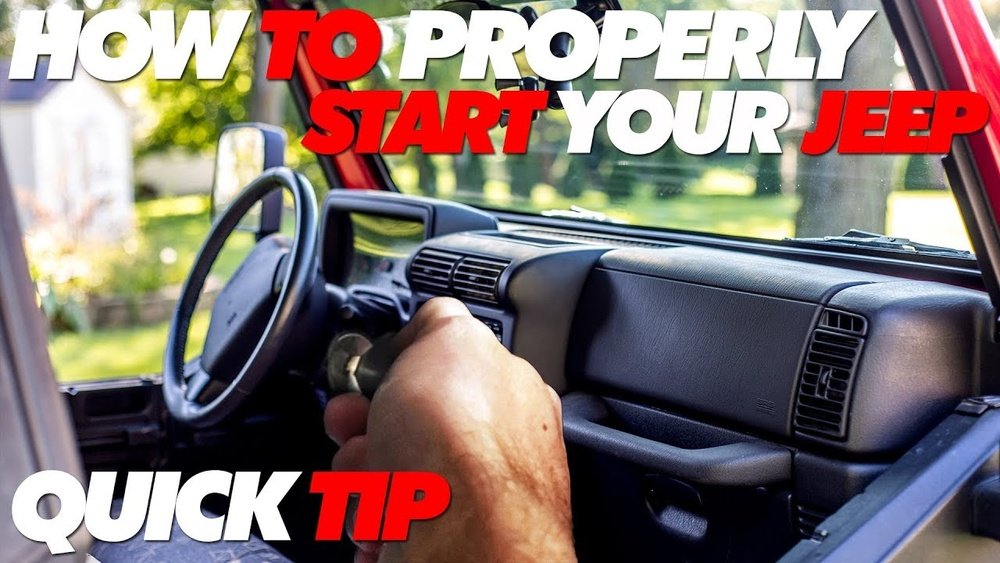
Jeep vehicles use different types of ignition systems. Most modern Jeeps have either a traditional key ignition or a push-button start.
| Ignition Type | Common Models | Features |
|---|---|---|
| Key Ignition | Wrangler, Cherokee (pre-2015) | Physical key, simple to use |
| Push-Button Start | Grand Cherokee, Renegade (post-2015) | Requires key fob, advanced security |
Before starting, check your owner’s manual for your Jeep’s specific ignition system. Some models require a key fob close to the vehicle, while others need a physical key inserted.
Step-by-step: Starting A Jeep
Follow these steps to start your Jeep confidently:
1. Check The Gear Position
Make sure the gear is in Park (P) for automatic or Neutral (N) for manual transmission. This is a safety feature in all Jeeps.
2. Press The Brake Pedal
Always press the brake before starting. This prevents accidental movement.
- Insert the Key or Hold the Fob
- For key ignition: Insert the key into the ignition slot.
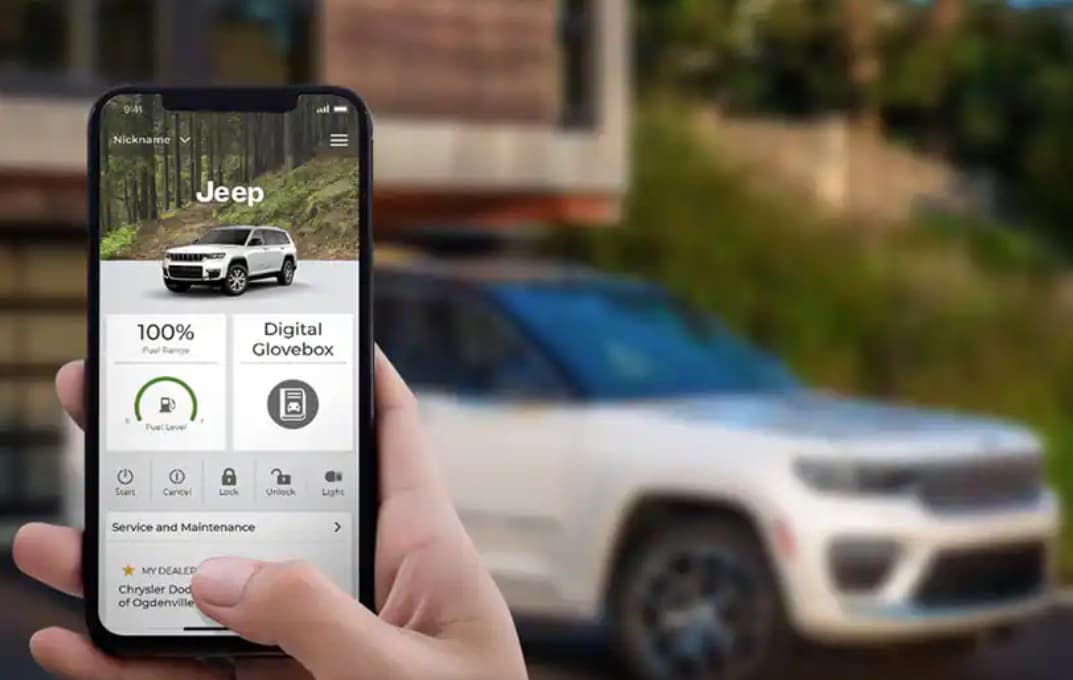
- For push-button: Hold the fob near the steering column.
- Turn the Key or Press the Button
- Turn the key clockwise until the engine starts.
- Press and hold the button until you hear the engine running.
- Check Dashboard Lights
Make sure warning lights (like the check engine or oil) go off. If lights stay on, investigate before driving.
Let go once the engine starts. Holding too long can damage the starter.
7. Wait For Idle
Let the engine idle for 30 60 seconds, especially in cold weather. This helps oil circulate.
Common Mistakes When Starting A Jeep
Many new Jeep owners make errors that could damage the vehicle or cause safety risks. Here are some to avoid:
- Not pressing the brake
The engine won’t start unless the brake is pressed in most models.
- Starting in gear
Trying to start in Drive or Reverse can cause the Jeep to lurch forward or backward.
- Holding the starter too long
More than a few seconds can overheat or damage the starter motor.
- Ignoring warning lights
Always check dashboard lights. Ignoring them can lead to expensive repairs.
- Using a weak battery
If your battery is low, the Jeep may not start. Modern models often require more power than older ones.
What To Do If Your Jeep Won’t Start
If your Jeep doesn’t start, try these troubleshooting steps:
1. Check The Battery
Look for dim lights or slow cranking. If so, jump-start or replace the battery.
2. Inspect The Key Fob
For push-button models, a dead fob battery prevents starting. Replace the battery if needed.
3. Look For Security Issues
Some Jeeps have anti-theft systems. If the security light is blinking, reset or unlock the system.
4. Listen For Unusual Sounds
Clicking or grinding may mean a starter problem or electrical issue.
5. Check Fuel Level
Low fuel can cause a “no start” situation, especially in older models.
Jeep Starting: Manual Vs. Automatic Transmission
Manual and automatic Jeeps require different actions. Here’s a quick comparison:
| Transmission | Key Steps | Extra Tips |
|---|---|---|
| Manual | Clutch + Brake, Neutral | Press clutch fully before starting |
| Automatic | Brake, Park | Don’t try to start in gear |
One non-obvious tip: For manual Jeeps, pressing the clutch fully is required for starting. Even light pressure may not trigger the safety switch, so press it all the way down.
Starting A Jeep In Cold Weather
Cold weather affects how your Jeep starts. Here’s how to prepare:
- Let the battery warm up
If possible, use a battery warmer or park indoors.
- Switch off extra electronics
Turn off lights, radio, and heater before starting. This gives more power to the starter.
- Allow extra idle time
Give the engine 1 2 minutes to warm up. This prevents stalls and protects the engine.
Driving a Jeep is fun, but safety matters. Here are two tips many beginners miss:
- Check surroundings
Before starting, make sure there’s nothing blocking your Jeep. Off-road drivers often forget this, leading to accidents.
- Listen for engine sound
A healthy Jeep engine starts smoothly. If you hear unusual noises, get it checked before driving.
Jeep Key Fob Troubleshooting
New Jeeps rely on a key fob. Here’s what to do if your fob isn’t working:
| Problem | Solution | Extra Advice |
|---|---|---|
| Dead battery | Replace battery | Use CR2032 battery for most Jeeps |
| Fob not detected | Hold fob close to start button | Try the backup slot if available |
| Signal interference | Move away from electronics | Check for wireless routers nearby |
Frequently Asked Questions
Why Won’t My Jeep Start In Cold Weather?
Cold temperatures make the battery weaker and oil thicker. Try warming the battery or using thinner oil. Let the engine idle longer before driving.
Can I Start A Jeep With A Dead Key Fob?
Most Jeeps have a backup slot for the fob. Check your manual for its location.
Replacing the fob battery is usually the best solution.
Is It Safe To Jump-start A Jeep?
Yes, but use proper cables and follow your Jeep’s manual. Never mix cable order red is positive, black is negative. Incorrect jump-starting can damage electronics.
What Does It Mean If Dashboard Lights Stay On After Starting?
This signals a problem. It could be low oil, battery issues, or a sensor error.
Don’t drive until you find the cause. Consult your manual or a mechanic.
How Often Should I Check My Jeep’s Battery?
Check every three months, especially before winter. Modern Jeeps use more electronics, so battery health is critical. For more tips on vehicle maintenance, visit Consumer Reports.
Getting your Jeep started is easy when you know the right steps. Always pay attention to gear position, brake pedal, and dashboard lights.
Avoid common mistakes, especially with manual transmissions and cold weather. If you have trouble, troubleshoot calmly using the tips above.
With a little practice, starting your Jeep will become second nature so you can focus on enjoying your journey.