The story of the first Jeep is more than just the beginning of an iconic vehicle. It’s a tale that links innovation, war, and the birth of a brand that would later become a symbol of freedom and adventure.
Today, millions recognize the Jeep as a rugged and reliable off-road vehicle. But when did the first Jeep come out, and how did it shape the world of automobiles?
Let’s dive into the fascinating origins of this legendary machine and see why its legacy still matters.
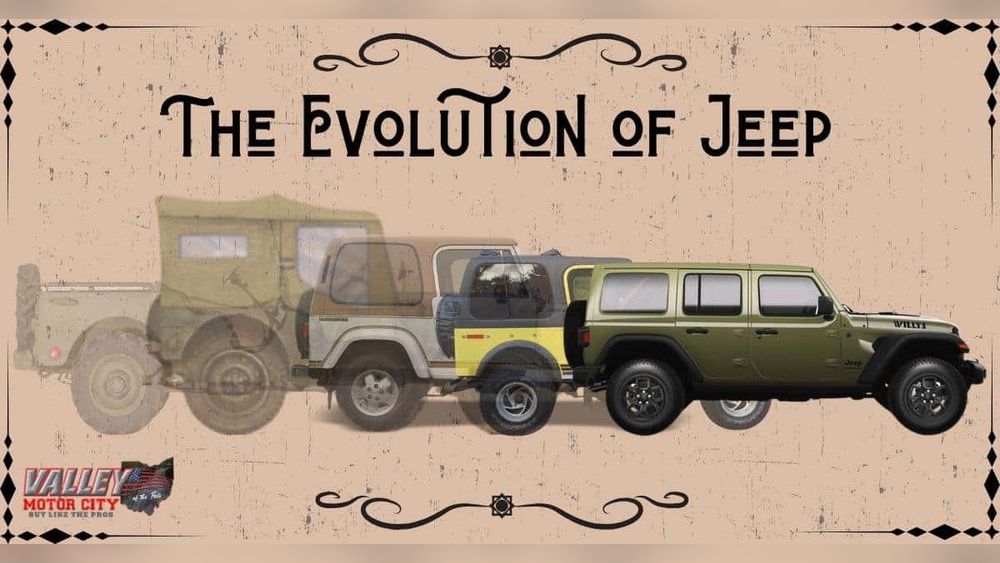
The Origins Of The Jeep
The roots of the Jeep go back to the late 1930s and early 1940s. At that time, the world was on the brink of World War II. The US Army needed a light, fast, and strong vehicle for reconnaissance and utility purposes. They wanted something to replace motorcycles and older, slower cars.
In July 1940, the Army sent a request to 135 car companies. Only three responded: Bantam, Willys-Overland, and Ford. Each company was given a tough challenge. They had just 49 days to design and build a working prototype.
The First Jeep Prototype
The first true Jeep prototype was the Bantam Reconnaissance Car (BRC). Bantam delivered it to the Army for testing in September 1940. It amazed officials with its agility and toughness. But Bantam was a small company and could not produce the numbers needed.
To solve this, the Army shared Bantam’s design with Willys-Overland and Ford. Both created their own versions, with small changes. Willys called theirs the Willys Quad. Ford’s version was the Ford Pygmy. After more tests and changes, the Army finally chose Willys-Overland as the main producer. Ford also got a contract to help build the vehicles.

The Birth Of The Jeep Name
The name “Jeep” has a few possible origins. One story is that it comes from the Army’s slang for a new recruit or untested vehicle—“G.P.”, which stood for “General Purpose.” When said quickly, “G.P.” sounds like “Jeep.” Another idea is that it was inspired by Eugene the Jeep, a magical character from the Popeye comic strip, known for going anywhere.
Whatever the true origin, the name stuck. Soldiers and civilians soon called the vehicle the Jeep.
The First Official Jeep: Willys Mb
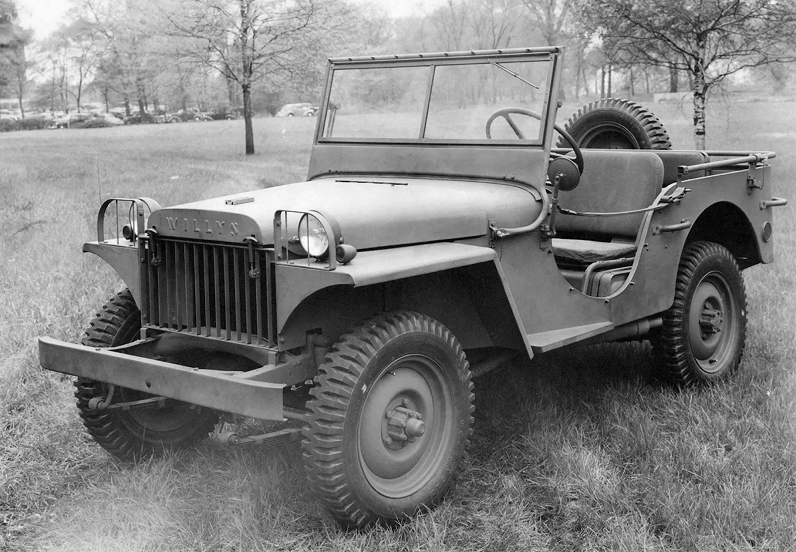
The Willys MB is widely recognized as the first real Jeep. It began rolling off the production line in November 1941. This model became the backbone of the US military during WWII. Willys and Ford together built over 640,000 Jeeps during the war.
Here’s a quick comparison of the three main prototypes:
| Prototype | Company | First Delivered | Main Features |
|---|---|---|---|
| Bantam BRC | Bantam | Sept 1940 | Light, compact, agile |
| Willys Quad | Willys-Overland | Nov 1940 | Powerful “Go-Devil” engine |
| Ford Pygmy | Ford | Nov 1940 | Simple, strong chassis |
Key Features Of The First Jeep
The Willys MB had some unique qualities that made it perfect for war:
- 4×4 drive: All four wheels could move the vehicle, helping it cross rough ground.
- “Go-Devil” engine: A 2.2-liter, 60-horsepower engine, strong for its size.
- Lightweight: Weighed about 2,450 pounds, easy to lift or move if stuck.
- Simple design: Easy to fix in the field.
Many soldiers joked that the Jeep could do almost anything except fly. It was used for carrying troops, pulling guns, laying cables, and even as an ambulance.
Civilian Jeep: The Cj Series
After WWII, Willys saw the potential for a civilian version. In 1945, they released the CJ-2A—the first Jeep for everyday people. “CJ” stood for “Civilian Jeep.” It kept the same toughness but added features for comfort and daily use.
Below is a quick look at some differences between the military and civilian Jeeps:
| Feature | Willys MB (Military) | CJ-2A (Civilian) |
|---|---|---|
| Production Start | 1941 | 1945 |
| Purpose | War | Farming/utility |
| Extras | Minimal | Tailgate, improved seats |
| Color | Olive drab | Multiple colors |
The Lasting Impact Of The First Jeep
The first Jeep changed how armies moved and fought. Its design inspired many later vehicles, both military and civilian.
Countries around the world copied or adapted the Jeep’s concept.
Two insights often missed by beginners:
- Jeep’s role in global car design: The simple, boxy style and 4×4 system became the blueprint for many modern SUVs.
- Production secrets: Willys and Ford used many shared parts, making repairs easier anywhere in the world—a key reason for the Jeep’s reliability.
Today, Jeep is a brand owned by Stellantis, but its roots are never forgotten. The Willys MB is still celebrated at car shows and in museums.
Frequently Asked Questions


















