Mercedes and Jeep are two famous names in the car industry, but their histories are very different. Many people are surprised to learn that Mercedes-Benz, through its parent company DaimlerChrysler, once owned Jeep.
This ownership was not permanent, but it changed both brands for years. If you’re curious about how and when Mercedes owned Jeep, this article will explain the timeline, the reasons behind the deal, and the impact on both companies.
The Timeline: When Did Mercedes Own Jeep?
The story begins in the late 1990s. At that time, Jeep was part of Chrysler Corporation, a major American automaker. In 1998, Daimler-Benz AG, the German company behind Mercedes-Benz, merged with Chrysler to create DaimlerChrysler AG. This merger was one of the biggest in car history.
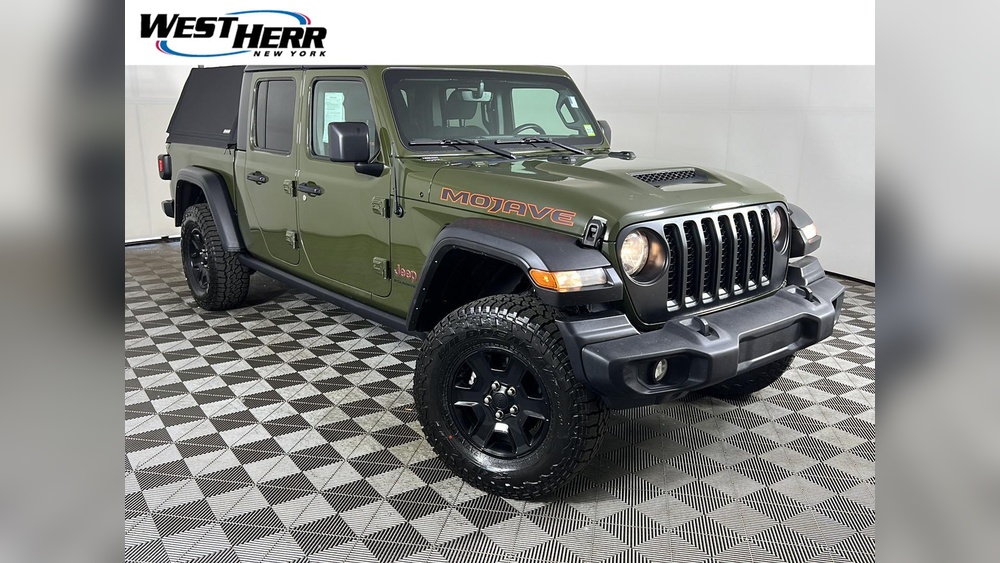
DaimlerChrysler owned Jeep from 1998 until 2007. During these years, Jeep was managed and developed under DaimlerChrysler’s leadership. This period lasted nearly nine years, until Daimler decided to sell Chrysler (and Jeep) to another company.
Here’s a simple table showing the timeline:
| Year | Event | Jeep Ownership |
|---|---|---|
| Pre-1998 | Jeep owned by Chrysler Corporation | Chrysler |
| 1998 | Daimler-Benz merges with Chrysler | DaimlerChrysler |
| 1998–2007 | DaimlerChrysler owns Jeep | DaimlerChrysler |
| 2007 | Daimler sells Chrysler to Cerberus | Cerberus Capital Management |
Why Did Mercedes (daimler-benz) Want Jeep?
Daimler-Benz was interested in Chrysler because of its strong presence in the US market. Chrysler’s brands—Jeep, Dodge, and Chrysler itself—were popular in America, where Mercedes was less common. Jeep was especially valuable because of its reputation for tough, reliable SUVs.
By owning Jeep, Daimler hoped to:
- Expand in the US: Mercedes wanted more American customers.
- Share technology: The merger allowed both companies to use each other’s engineering ideas.
- Reduce costs: By sharing parts and factories, DaimlerChrysler aimed to save money.
However, the deal was not as successful as Daimler hoped. The cultures of the two companies were very different, and they struggled to work together.

What Changed For Jeep During Daimler Ownership?
Jeep saw both positives and negatives during DaimlerChrysler’s control. Some changes improved Jeep’s quality, while others created problems.
Improvements
- Better engineering: Mercedes-Benz shared its advanced technology. Some Jeep models used parts and ideas from Mercedes, making them stronger and safer.
- Global reach: DaimlerChrysler helped Jeep sell cars in more countries.
Challenges
- Brand confusion: Some customers thought Jeep lost its American identity.
- Financial troubles: DaimlerChrysler struggled with costs and management. Jeep’s sales were sometimes affected by these problems.
Here’s a comparison of Jeep’s performance before and during Daimler ownership:
| Period | Annual Sales (Approx.) | Major Models Released |
|---|---|---|
| 1990–1997 | 450,000 units | Cherokee, Grand Cherokee |
| 1998–2007 | 600,000 units | Liberty, Commander |
Jeep Liberty (launched in 2002) is a good example. It used some Mercedes engineering and was safer than older Jeeps. But it also cost more to make.
The End Of Mercedes Ownership
By 2007, DaimlerChrysler had lost billions of dollars. The merger was not working well, and Daimler wanted to exit the American market. They sold Chrysler, including Jeep, to Cerberus Capital Management for $7.4 billion.
This sale ended Mercedes’ control over Jeep. After that, Jeep passed through more owners. In 2009, Fiat Group became the main owner, and today Jeep is part of Stellantis.
| Owner | Period | Main Changes |
|---|---|---|
| DaimlerChrysler | 1998–2007 | Technology sharing, global expansion |
| Cerberus Capital | 2007–2009 | Cost cutting, restructuring |
| Fiat (now Stellantis) | 2009–present | Modernization, new models |
Non-obvious Insights About Mercedes And Jeep
Most people think Mercedes and Jeep were always separate, but their short history together changed both brands:
- Shared parts: Some Jeep models from this era used Mercedes transmissions and suspensions, which improved durability.
- Cultural clash: Employees struggled to mix German and American work styles. This slowed innovation and hurt morale.
Jeep’s identity became more international, but it also risked losing its classic American image. Today, Jeep still uses some ideas from its Daimler days.
How Did The Ownership Affect The Car Market?
The DaimlerChrysler merger showed that combining two big car companies is not always easy. Investors lost money, and some jobs were cut. But Jeep survived and even grew stronger.
After Daimler left, Jeep became popular again, launching new models like the Wrangler Unlimited and Grand Cherokee. The brand learned from its experience and became more modern and reliable.
If you want more details about the merger and its effects, you can visit Wikipedia.
Frequently Asked Questions
When Did Mercedes Own Jeep?
Mercedes, through DaimlerChrysler, owned Jeep from 1998 to 2007 after the merger with Chrysler.
Did Mercedes Build Any Jeep Models?
Yes, during DaimlerChrysler years, some Jeep models like the Liberty and Commander used Mercedes parts and technology.
Why Did Daimler Sell Jeep?
Daimler sold Jeep (with Chrysler) because the merger failed financially and culturally. They wanted to focus on their main brand, Mercedes-Benz.
Is Jeep Still Connected To Mercedes Today?
No, Jeep is now part of Stellantis and has no current connection with Mercedes-Benz.
What Was The Impact Of Mercedes Ownership On Jeep?
Mercedes helped improve Jeep’s engineering and global sales, but also caused brand confusion and management challenges.
Mercedes’ ownership of Jeep lasted nearly a decade and changed both companies in lasting ways. While the merger did not work out as planned, it left behind new technologies and lessons.
Jeep remains strong today, with a history shaped by its time under Mercedes.