The Jeep Wagoneer holds a special place in American car history. Its classic wood-paneled look and luxury features made it an icon for families and adventure lovers alike.
But when did Jeep actually start making the Wagoneer, and how did it evolve? Understanding the Wagoneer’s origins and growth gives us a window into the changing tastes of drivers and the birth of the modern SUV.
The Birth Of The Jeep Wagoneer
The story of the Jeep Wagoneer began in 1962, when Jeep introduced this new model for the 1963 model year. At that time, Jeep was owned by Kaiser Motors. The Wagoneer was designed to replace the older Willys Jeep Station Wagon, offering something more modern and comfortable.
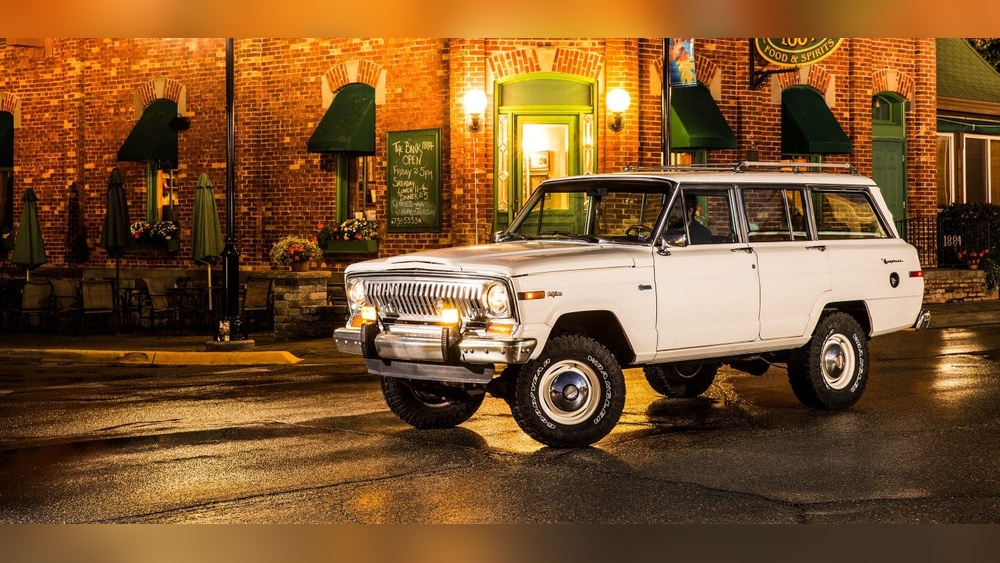
The Wagoneer made its debut with several innovations:
- First 4×4 with independent front suspension
- Automatic transmission (rare for SUVs then)
- Luxury interior options, including air conditioning
This was a bold step. Before the Wagoneer, most 4×4 vehicles were basic and uncomfortable. Jeep wanted to attract not just off-road fans, but families and drivers who valued comfort. The Wagoneer was the world’s first true luxury SUV.
Key Milestones In Wagoneer History
Over the years, the Wagoneer changed hands and styles. Here’s a quick look at important moments:
| Year | Event |
|---|---|
| 1962 | Wagoneer announced for 1963 model year |
| 1970 | American Motors Corporation (AMC) buys Jeep |
| 1984 | Grand Wagoneer introduced as top trim |
| 1991 | Original Wagoneer production ends |
| 2021 | Wagoneer returns as a modern luxury SUV |
Two things made the Wagoneer stand out: it was ahead of its time in comfort and technology, and it survived through several owners—Kaiser, AMC, Chrysler—while keeping its classic style.
What Made The Early Wagoneer Unique?
When the Wagoneer launched, it offered features that were rare for SUVs:
- Power steering and brakes
- Optional V8 engine
- Full steel body
- Roomy interiors with plush seating
The Wagoneer attracted buyers who wanted an all-purpose vehicle: good for daily drives, family trips, and rugged terrain. It was often called a “station wagon on steroids.”
One insight beginners often miss: The Wagoneer helped create the SUV market years before the term “SUV” was even popular. It mixed utility, comfort, and style in a way no other 4×4 did at the time.
The Grand Wagoneer And The Suv Boom
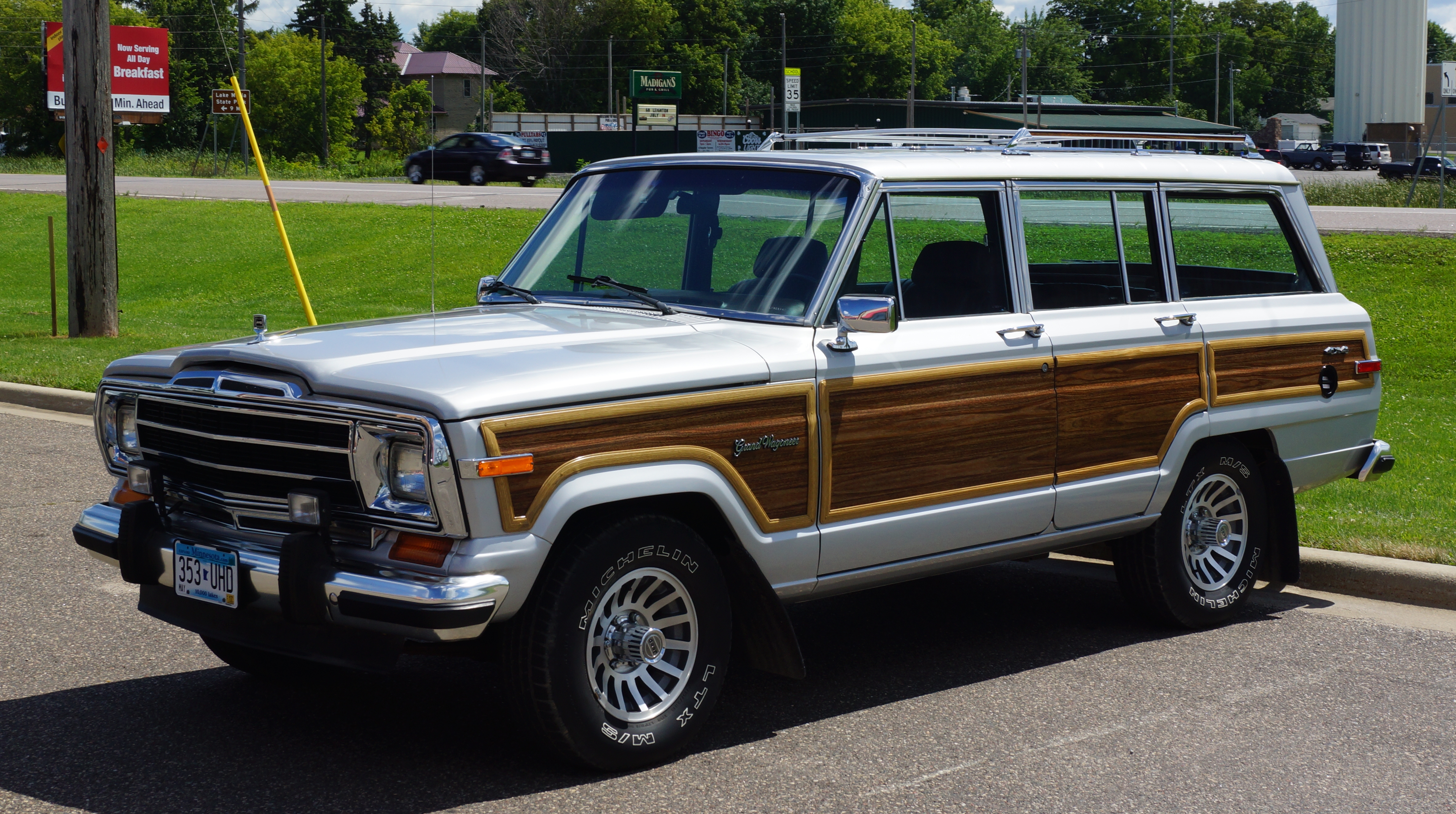
In 1984, Jeep introduced the Grand Wagoneer. This was not just a trim, but a statement. It added even more luxury—leather seats, wood accents, premium sound. The Grand Wagoneer was expensive for its time, but it sold well among professionals and families who wanted something special.
Here’s how the Grand Wagoneer compared to the regular Wagoneer in the 1980s:
| Feature | Wagoneer | Grand Wagoneer |
|---|---|---|
| Engine | Inline-6 | V8 Standard |
| Seats | Cloth | Leather |
| Trim | Basic | Woodgrain, luxury features |
| Price (1984) | $13,000 | $19,000 |
The Grand Wagoneer set the stage for the luxury SUV market. Even after Chrysler bought Jeep in 1987, the Grand Wagoneer continued to attract loyal fans until its production ended in 1991.
The End And Return Of The Wagoneer
When the Grand Wagoneer ended production in 1991, many thought it was the end for this classic SUV. But its legend grew.
Used models became collectibles, and owners often kept them for decades.
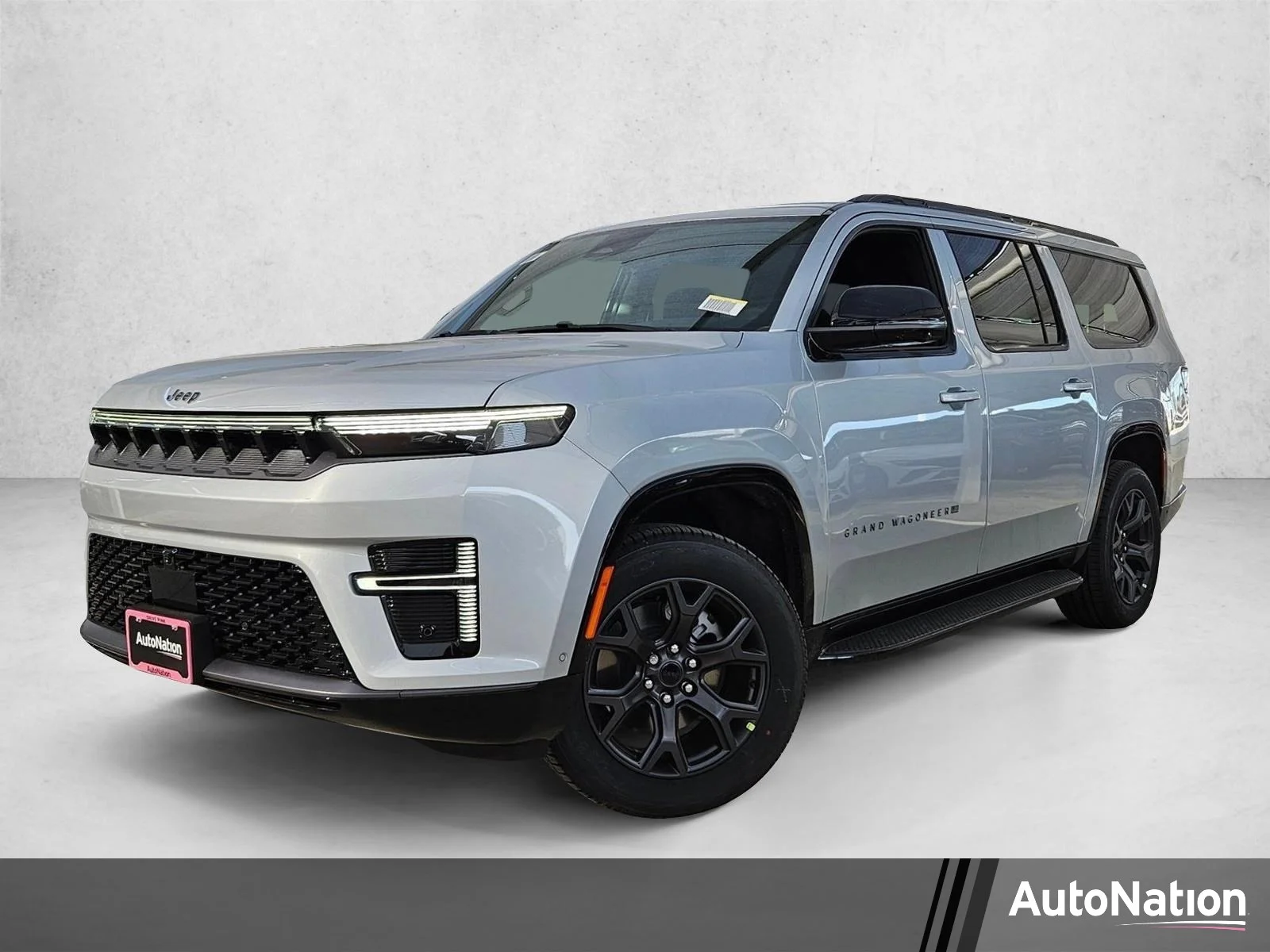
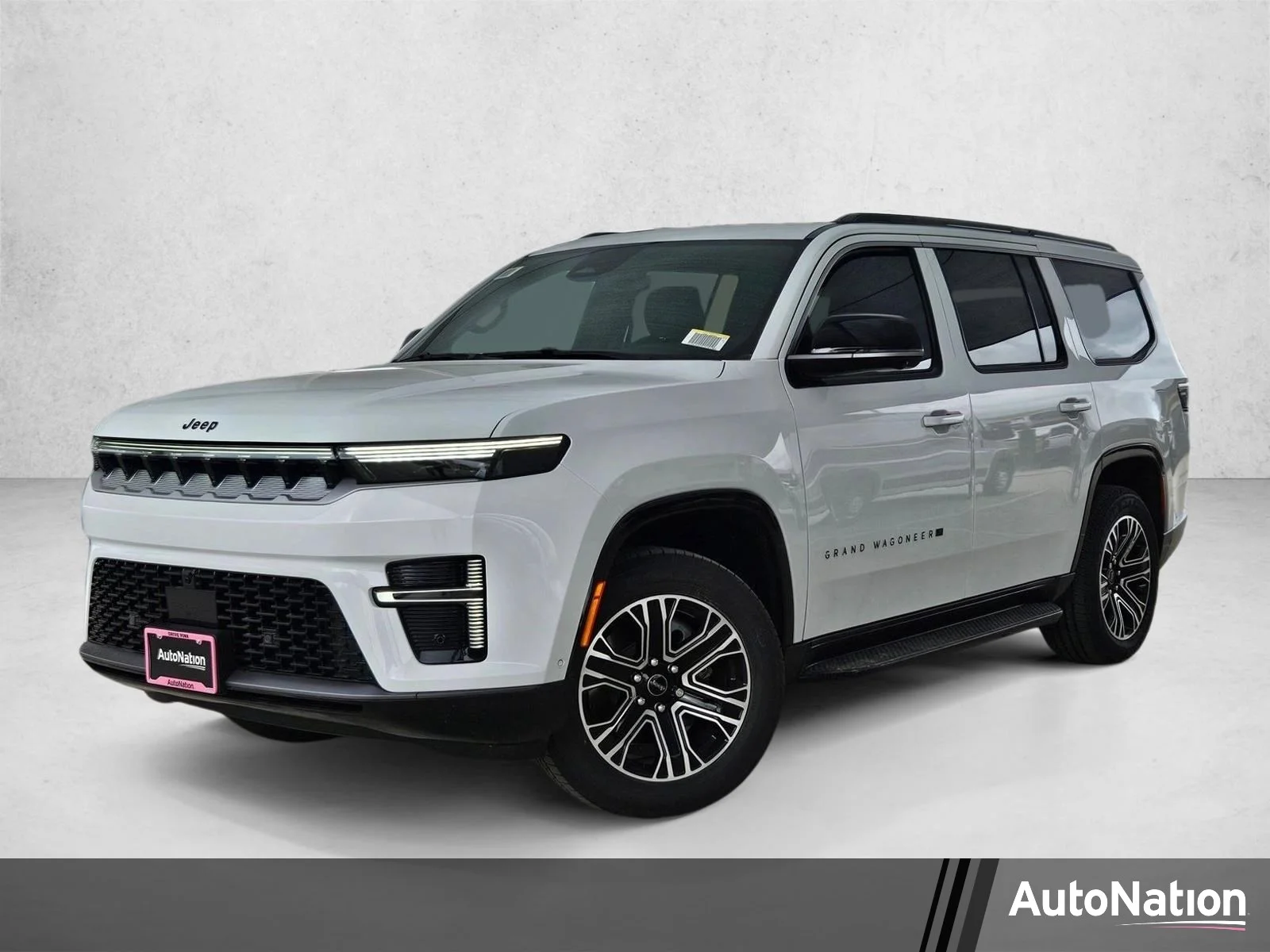
Jeep saw the strong nostalgia and brought the Wagoneer back in 2021 as a modern luxury SUV. The new Wagoneer blends classic design with advanced technology, full-size comfort, and strong towing capability.
Here’s a comparison of the original and modern Wagoneers:
| Aspect | 1963 Wagoneer | 2022 Wagoneer |
|---|---|---|
| Engine | 140-hp Inline-6 | 392-hp V8 |
| Transmission | 3-speed auto | 8-speed auto |
| Technology | AM radio | Touchscreen, WiFi, ADAS |
| Towing Capacity | Up to 5,000 lbs | Up to 10,000 lbs |
One non-obvious insight: The Wagoneer’s return was not just about nostalgia. Jeep studied what made the original special—space, comfort, and all-terrain ability—and made sure the new version honored that tradition.
Why The Wagoneer Still Matters
The Wagoneer was a pioneer. It shaped how people think about SUVs. Early buyers wanted both toughness and comfort, and Jeep delivered. The Wagoneer’s combination of features became the standard for later vehicles like the Ford Explorer and Chevrolet Tahoe.
Collectors love the classic Grand Wagoneer for its timeless style and rugged build. The new Wagoneer competes with luxury SUVs from Cadillac and Lincoln, proving its formula still works today.
If you want to explore more about the Wagoneer’s long history, the official Wikipedia page offers a deep look.
Frequently Asked Questions
When Did Jeep First Produce The Wagoneer?
Jeep started making the Wagoneer in 1962 for the 1963 model year. It was the first SUV to combine off-road ability with luxury and comfort.
Who Designed The Original Wagoneer?
The Wagoneer was designed by Brooks Stevens, a famous American industrial designer. He aimed to make a stylish, family-friendly vehicle that was still tough enough for rough roads.
What Made The Wagoneer Different From Other Suvs?
It was the first 4×4 with automatic transmission and independent front suspension. The Wagoneer also offered plush interiors, making it more comfortable than any rival at the time.
When Did The Grand Wagoneer Come Out?
The Grand Wagoneer launched in 1984 as a luxury version of the Wagoneer. It had more premium features and quickly became an icon for upscale SUV buyers.
Is The New Wagoneer Similar To The Classic Version?
The modern Wagoneer honors the original with its size, comfort, and off-road skills, but it adds advanced technology, safety, and much higher performance. It’s built for today’s families but keeps the classic spirit alive.
The Jeep Wagoneer’s journey from 1962 to today shows how one model can shape an entire market. Its blend of ruggedness and luxury remains unmatched, and its legacy continues with every new generation.