The Jeep Grand Cherokee has been a symbol of rugged style and capability since its debut in 1992. Over the years, the body of this SUV has changed several times, each update bringing new features, technology, and design.
If you want to know when and how the Jeep Grand Cherokee body changed, you’ll find clear answers here. Understanding these changes helps you make better decisions, whether you’re buying, selling, or simply curious about Jeep’s evolution.
Major Body Changes By Generation
The Jeep Grand Cherokee’s body changes are tied closely to its generations. Each generation brings a new look, improved comfort, and often new technology.
First Generation (1993–1998): Zj
The original Grand Cherokee debuted for the 1993 model year. It featured a boxy, upright design, with classic Jeep cues like the seven-slot grille and squared-off headlights.
This design set the standard for midsize SUVs.
Second Generation (1999–2004): Wj
In 1999, Jeep introduced the WJ body. It was more rounded, with smoother lines and larger headlights.
The body was still rugged but offered better aerodynamics and comfort. Jeep also improved the interior space and added more safety features.
Third Generation (2005–2010): Wk
The WK generation arrived in 2005. This body was noticeably more modern, with a wider stance and less boxy look. Jeep used more high-strength steel, making the vehicle safer and quieter. The headlights became more angular, and the rear window was larger.
Fourth Generation (2011–2020): Wk2
2011 saw the launch of the WK2. This generation brought a major change: a longer, lower body with a more luxurious feel. The body was sleeker, with a more aggressive front end and LED lighting. Jeep focused on improving ride quality, introducing independent rear suspension.
Fifth Generation (2021–present): Wl
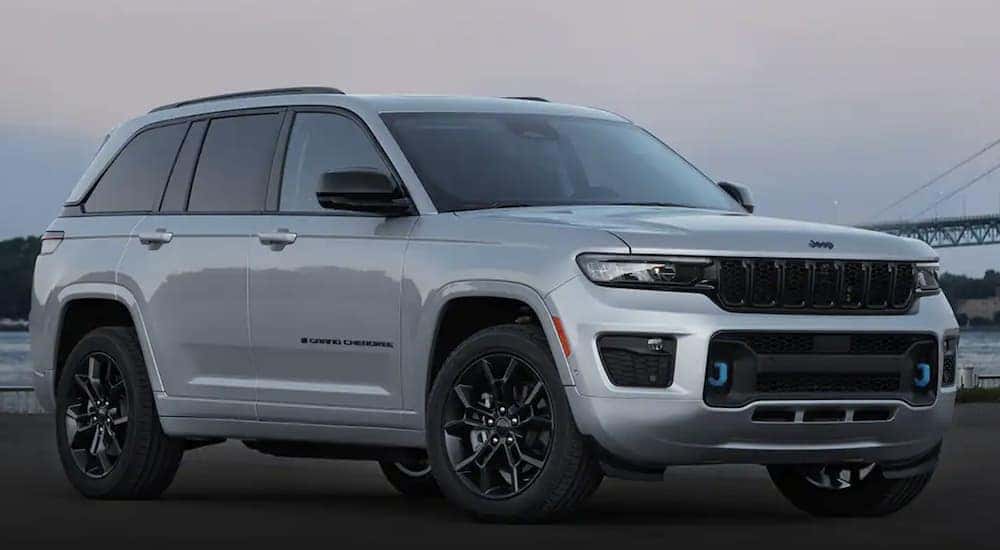
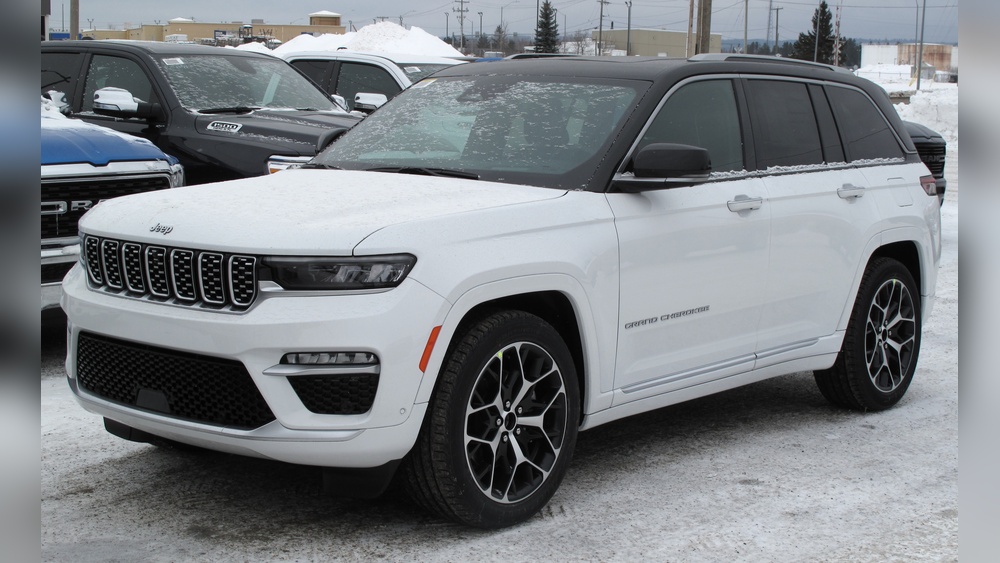
The latest body change came in 2021 with the WL generation. This model looks more refined, almost like a luxury SUV.
The body is longer, the grille is slimmer, and the headlights are sharper. Jeep also introduced a three-row option called the Grand Cherokee L.
Here’s a quick visual summary:
| Generation | Years | Key Body Changes |
|---|---|---|
| ZJ | 1993–1998 | Boxy, upright, classic Jeep look |
| WJ | 1999–2004 | Rounded, smoother lines, improved aerodynamics |
| WK | 2005–2010 | Modern, wider stance, angular headlights |
| WK2 | 2011–2020 | Longer, lower, sleeker, LED lights |
| WL | 2021–Present | Refined, luxury feel, three-row option |
What Drives Body Changes?
Body changes in the Grand Cherokee don’t happen randomly. Jeep updates the body based on:
- Safety standards – New laws require better crash protection.
- Customer demand – People want more comfort, space, and style.
- Competition – Other brands update their SUVs, so Jeep must keep up.
- Technology – New tech needs more space or different shapes.
For example, the move to independent rear suspension in 2011 allowed for a smoother ride and more cargo room. The 2021 WL body introduced more advanced safety tech and a three-row layout, responding to family needs.

Comparing Body Features By Generation
To see the differences clearly, here’s a comparison of key body features:
| Generation | Body Length (inches) | Wheelbase (inches) | Seating Capacity | Weight (lbs) |
|---|---|---|---|---|
| ZJ | 176.3 | 105.9 | 5 | 3,500–4,000 |
| WJ | 180.1 | 105.9 | 5 | 3,800–4,200 |
| WK | 189.8 | 109.5 | 5 | 4,100–4,800 |
| WK2 | 189.8 | 114.8 | 5 | 4,300–5,200 |
| WL (L) | 204.9 | 121.7 | 6/7 | 4,600–5,400 |
Notice how the body length and wheelbase grow over time. This means more interior space, better stability, and improved comfort.
Non-obvious Insights
Many buyers focus only on looks, but body changes also affect:
- Handling: Newer bodies use better suspension, making the ride smoother and safer.
- Resale value: A body change often makes older models drop in value, but some rare versions may become classics.
- Repair costs: Different bodies mean unique parts. For example, WK2 parts may not fit WK models, so check before buying used parts.
Another insight: Not every year within a generation means a body change. Jeep sometimes updates trim or features without changing the main body.

Common Mistakes When Evaluating Body Changes
- Assuming all models look the same: Within one generation, Jeep may offer special editions, but the basic body stays the same.
- Overlooking the three-row option: Starting in 2021, the Grand Cherokee L has a longer body. Don’t confuse it with earlier models.
- Ignoring impact on insurance: Major body changes can affect insurance rates, especially when safety improves.
Practical Tips For Buyers
- Check the VIN (vehicle identification number) to confirm the exact generation.
- If you want the latest technology, go for the WL generation.
- For off-road use, some prefer older, simpler bodies like the ZJ or WJ.
- Ask about parts availability, especially for models after a big body change.
Here’s a quick view of body-related buyer priorities:
| Body Generation | Best for | Parts Availability | Off-Road Capability |
|---|---|---|---|
| ZJ/WJ | Classic Jeep fans | High | Excellent |
| WK | Modern look seekers | Medium | Good |
| WK2 | Luxury/Comfort | Medium | Good |
| WL | Families, latest tech | Growing | Very Good |