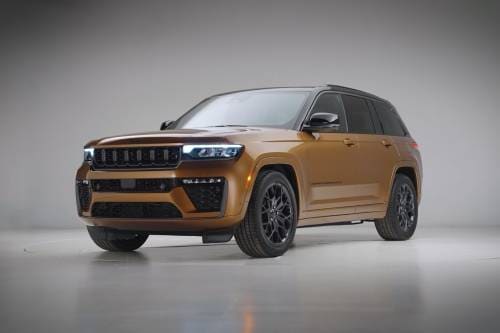
Jeep is a brand known for its rugged vehicles and adventurous spirit. But over the decades, Jeep has changed its engines many times to match new technology, stricter rules, and drivers’ demands.
If you’ve ever wondered, “When did Jeep change engines?
” this article will guide you through the main engine changes, why they happened, and how they shaped Jeep’s reputation.
The Early Years: Simplicity And Strength
The first Jeep vehicles appeared during World War II. They used the Go Devil engine, a simple and tough 2.2L four-cylinder. This engine powered the original Willys MB and Ford GPW models from 1941 to the late 1940s. After the war, the F-head Hurricane replaced the Go Devil in the early 1950s, offering a bit more power and reliability for civilian Jeeps.
Early engine changes were mainly about improving durability and handling. At that time, Jeep vehicles were built for farmers, soldiers, and workers, so complexity was not a priority.
Moving To Modern Engines: The Amc Era
In 1970, American Motors Corporation (AMC) bought Jeep. This brought the first big shift in engines. AMC added its own six-cylinder and V8 engines to Jeep’s lineup. The most famous was the 4.2L inline-six, first used in 1971. This engine became a Jeep favorite for its strong torque and reliability.
Jeep also started offering V8 options in models like the Wagoneer and Cherokee. These engines gave Jeeps more power for towing and off-road adventures.
Here’s a quick look at how Jeep engines changed during the AMC era:
| Year | Engine | Displacement | Notes |
|---|---|---|---|
| 1971 | Inline-Six | 4.2L | Introduced by AMC |
| 1972 | V8 | 5.0L, 5.9L | Optional for Wagoneer/Cherokee |
| 1987 | 4.0L Inline-Six | 4.0L | Legendary Jeep engine |
Non-obvious insight: Many Jeep fans do not realize that the 4.2L and 4.0L engines, while similar, have different blocks and heads. Swapping parts between them is not always possible.
Chrysler Takes Over: Modernization And Innovation
Chrysler bought Jeep in 1987, which led to another wave of engine changes. The most famous new engine was the 4.0L High Output (HO) inline-six, introduced in the 1987 Jeep Cherokee. This engine was powerful for its size and became a favorite for its mix of smoothness, strength, and long life.
However, as emissions laws became stricter, Chrysler started to phase out older engines. By 2006, the 4.0L was discontinued, replaced by the 3.7L V6 and other modern options.
Here is a comparison of two popular Jeep engines from this era:
| Engine | Years Used | Horsepower | Main Models |
|---|---|---|---|
| 4.0L Inline-Six | 1987-2006 | 177–190 hp | Cherokee, Wrangler, Grand Cherokee |
| 3.7L V6 | 2002-2012 | 210 hp | Liberty, Grand Cherokee, Commander |
Non-obvious insight: Many Jeep owners were disappointed when the 4.0L was retired. The new engines were quieter and cleaner, but some say they lacked the low-end torque that made old Jeeps so special.
The Fiat Era: Efficiency And Turbo Power
When Fiat took control of Jeep in 2014, the focus shifted to smaller, more efficient engines. The classic V6s and V8s were joined by turbocharged four-cylinders and even diesels. This was partly to meet global emissions standards and partly to improve fuel economy.
A few key changes in this era:
- The 2.4L Tigershark engine became standard in the Jeep Compass and Renegade, offering better gas mileage.
- The 2.0L turbocharged four-cylinder arrived in the Wrangler JL (2018+), giving almost V6-level power with less fuel use.
- EcoDiesel options appeared in the Wrangler and Gladiator, giving drivers more torque and better efficiency.
Below is a quick look at these modern engines:
| Engine | Fuel Type | Horsepower | Year Introduced |
|---|---|---|---|
| 2.4L Tigershark | Gasoline | 180 hp | 2013 |
| 2.0L Turbo | Gasoline | 270 hp | 2018 |
| 3.0L EcoDiesel | Diesel | 260 hp | 2020 |
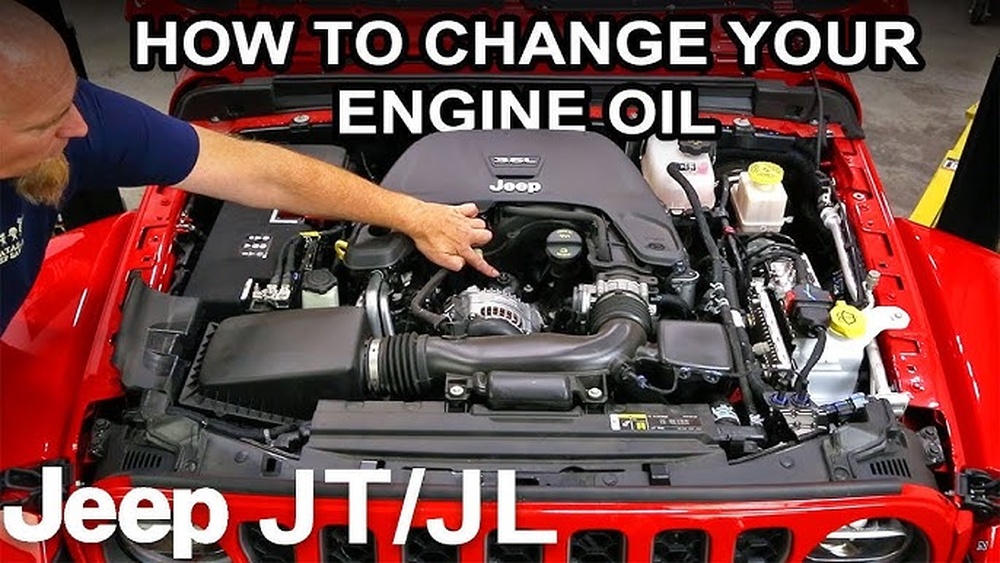
Practical tip: Turbocharged Jeep engines need more regular maintenance. Ignoring oil changes can lead to expensive repairs, especially with turbo models.

Electrification: The Latest Engine Revolution
Jeep’s latest engine change is electrification. The Jeep Wrangler 4xe plug-in hybrid combines a turbocharged gasoline engine with electric motors. This setup offers up to 375 horsepower and can drive short distances on electricity alone.
This engine change is not just about power. It helps Jeep meet stricter emissions laws and appeal to new buyers who want both adventure and efficiency.
Jeep plans to add more electric and plug-in models in the coming years.
Why Do These Engine Changes Matter?
Each time Jeep changed engines, it was about more than just numbers. New engines have helped Jeeps:
- Meet new government rules for emissions and safety
- Improve fuel efficiency
- Offer more power and better performance
- Stay competitive with other SUVs
However, not all changes have pleased fans. Some people miss the old engines for their sound, feel, or ability to handle tough conditions.
Others welcome the new tech, enjoying quieter, cleaner, and more efficient Jeeps.
What Jeep Owners Should Know
If you own a Jeep or plan to buy one, keep these points in mind:
- Parts compatibility: Engine changes can make it hard to find the right parts for older Jeeps.
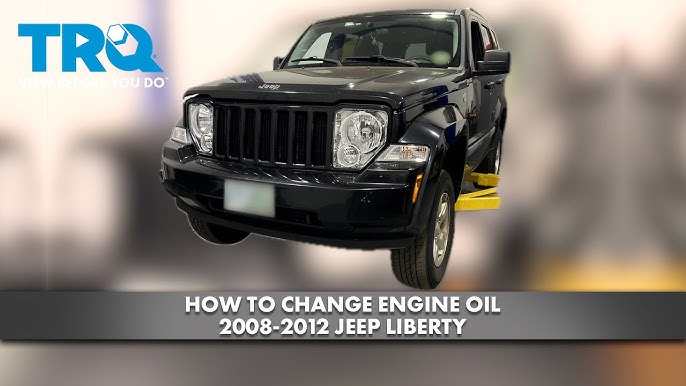
- Maintenance needs: Newer engines often need different oils or more frequent service, especially turbos and hybrids.
- Resale value: Some engines, like the 4.0L inline-six, are highly sought after in the used market.
Before buying a used Jeep, check which engine it has and research common problems. For more details, the official Jeep Wikipedia page is a reliable resource.
Frequently Asked Questions
When Did Jeep Stop Using The 4.0l Engine?
Jeep stopped using the 4.0L inline-six in 2006. It was last available in the Jeep Wrangler TJ.
What Is The Most Reliable Jeep Engine?
Many people consider the 4.0L inline-six to be Jeep’s most reliable engine. It is known for lasting over 200,000 miles with basic maintenance.
When Did Jeep Start Using Turbocharged Engines?
Jeep began offering turbocharged engines widely in 2018, starting with the 2.0L turbo in the Wrangler JL.
Does Jeep Offer Diesel Engines?
Yes, Jeep offers diesel engines in models like the Wrangler EcoDiesel and Gladiator. These provide more torque and better fuel economy.
Are The New Jeep Engines Better Than The Old Ones?
New Jeep engines are generally more efficient and cleaner. However, some fans feel the older engines were simpler, easier to fix, and better for heavy off-road use.
Jeep’s engine history is full of changes, each made for a reason. Whether you prefer classic power or modern efficiency, understanding when and why Jeep changed engines helps you choose the right model for your needs.