For decades, Jeep vehicles have stood out on roads and trails for their rugged design and military roots. But over the years, Jeep’s body styles have changed dramatically—sometimes surprising loyal fans and reshaping the SUV market.
If you want to understand when and why Jeep made these body style changes, this guide breaks down the key moments. We’ll look at major shifts across popular Jeep models, explain what made each change important, and help you spot differences when shopping for a used or new Jeep.
Early Jeep Body Styles: The Willys Days
The original Jeep was the Willys MB, made for the U.S. Army in the 1940s. It featured flat fenders, a boxy open body, and no doors or roof. This style was all about function—tough, simple, and easy to repair. After World War II, Jeep launched the CJ (Civilian Jeep) series in 1945. The CJ kept the basic look but added small comforts for everyday use.
These early Jeeps stayed mostly the same for decades. Even the CJ-7, launched in 1976, looked like a modernized version of the wartime Jeep.
Small style changes appeared, like wider doors and improved seats, but the boxy, utilitarian body was Jeep’s signature.
The First Big Change: Wrangler Yj (1987)
A huge shift came in 1987 when the Wrangler YJ replaced the CJ-7. This was Jeep’s first major body style update since the 1940s. The YJ introduced:
- Rectangular headlights (a big controversy among Jeep fans)
- A wider, lower stance for better stability
- New windshield and doors for improved safety
The YJ was designed to attract regular drivers, not just off-road enthusiasts. Jeep added more comfort inside, like better seats and improved controls, while keeping the removable top and doors.
This combination helped Jeep survive as SUVs grew more popular in the late 1980s.
Evolution Continues: Wrangler Tj And Jk
The next Wrangler body style shift came with the TJ in 1997. Jeep returned to round headlights, pleasing many purists. The TJ also introduced coil spring suspension, which improved ride quality both on and off road. The body shape was rounder and less boxy, with smoother lines and slightly larger dimensions.
In 2007, the Wrangler JK pushed the evolution further:
- The first-ever four-door Wrangler Unlimited
- Increased interior space
- More plastic body panels for weight savings and rust resistance
This change made the Wrangler more practical for families and daily driving, leading to a huge jump in sales. The four-door Unlimited quickly became the best-selling Wrangler model.
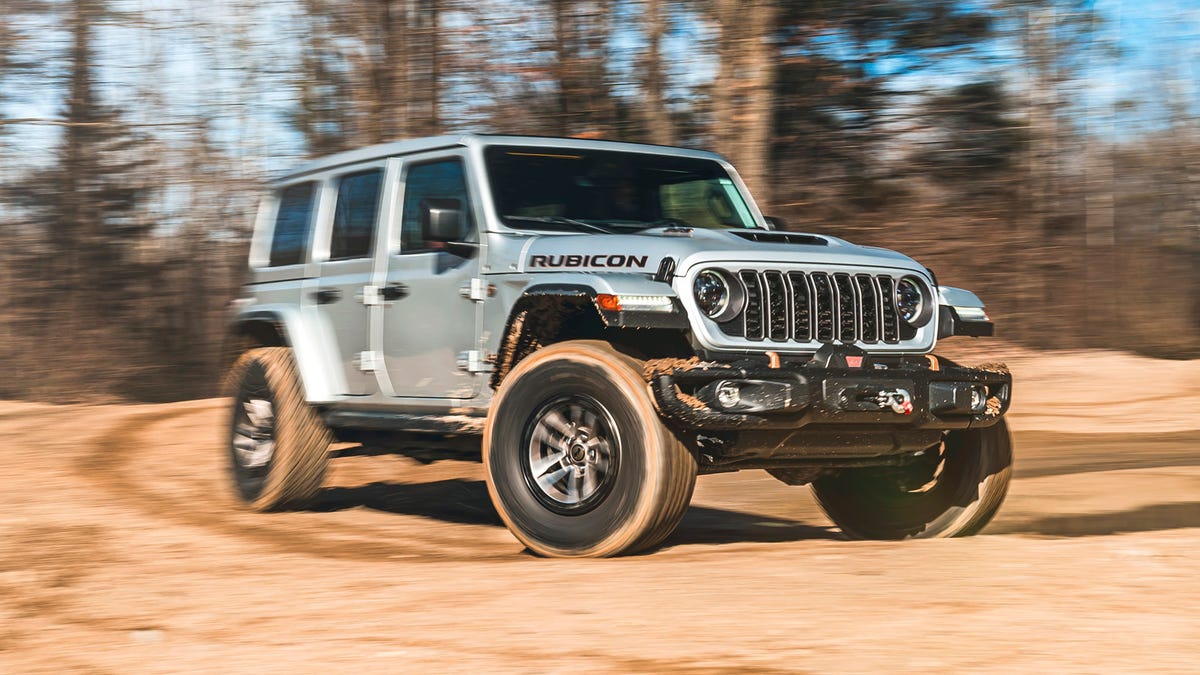
The latest change arrived in 2018 with the Wrangler JL, which refined the JK’s look, added LED lights, and improved aerodynamics. Each generation brought subtle but important shifts, as shown in this comparison:
| Generation | Years | Key Body Style Changes |
|---|---|---|
| YJ | 1987–1995 | Rectangular headlights, wider stance |
| TJ | 1997–2006 | Round headlights, coil suspension |
| JK | 2007–2017 | Four-door option, larger body |
| JL | 2018–present | Modern styling, LED lights |
Grand Cherokee And Modern Jeeps: Embracing Suvs
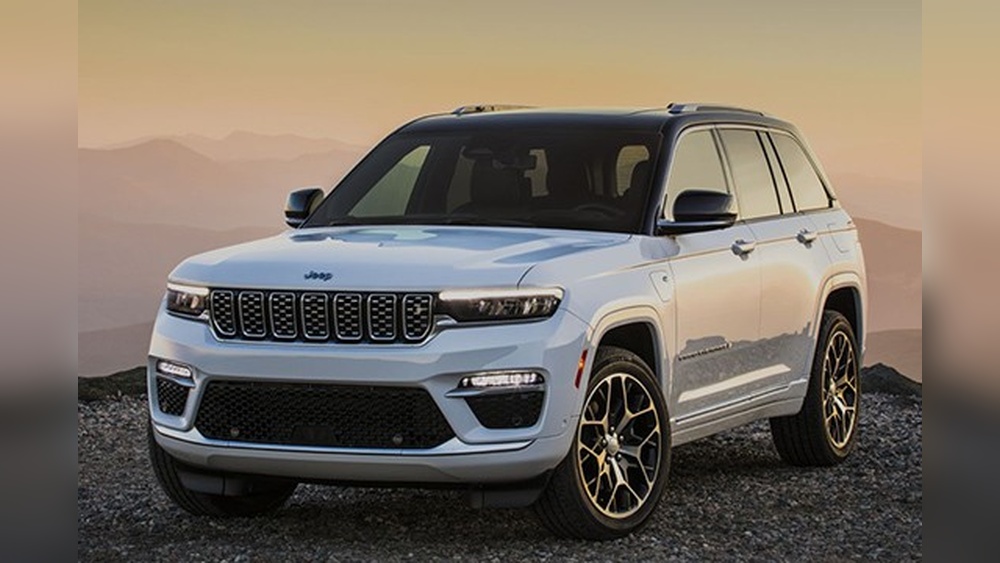
Jeep’s body style changes weren’t just about the Wrangler. The Grand Cherokee launched in 1993 and marked Jeep’s move toward the luxury SUV market. It looked nothing like the classic CJ or Wrangler—smoother, more aerodynamic, and with a full roof and four doors as standard.
Big body style updates for the Grand Cherokee happened in:
- 1999 (WJ Generation): More rounded body, flush headlights, and a more modern interior.
- 2011 (WK2 Generation): Sleeker styling, lower stance, and a more car-like appearance.
- 2021 (WL Generation): Longer, wider, and even more refined with sharper lines and new lighting.
The Grand Cherokee’s body style has shifted from rugged SUV to a more urban, family-friendly look. The Cherokee (not Grand) also changed dramatically—especially in 2014, when Jeep introduced a controversial, sloped front end and narrow headlights.
To see how Jeep’s SUVs have evolved, compare these generations:
| Model | Generation | Years | Body Style Highlight |
|---|---|---|---|
| Grand Cherokee | ZJ | 1993–1998 | Boxy SUV, classic look |
| Grand Cherokee | WK2 | 2011–2021 | Sleek, rounded, upscale |
| Cherokee | KL | 2014–present | Sloped nose, modern headlights |
Common Buyer Questions: Spotting Body Style Changes
If you’re looking for a used or new Jeep, these tips can help you recognize major body style changes:
- Headlights: Wranglers with round headlights are TJ, JK, or JL. Rectangular means YJ.
- Number of doors: Four-door Wranglers started with the JK (2007+).
- Front grille and hood shape: Modern Grand Cherokees have sleeker grilles and LED lighting.
Two insights that many beginners miss:
- Body style changes often mean new parts are needed. For example, a hardtop from a TJ won’t fit a JK. Always double-check part compatibility.
- Insurance and resale values can change with each generation. Newer body styles often cost more to insure but hold value better.
Why Did Jeep Change Body Styles?
There are a few main reasons behind Jeep’s body style shifts:
- Safety: Modern standards required airbags, crumple zones, and better visibility.
- Comfort: More buyers wanted smoother rides and quieter cabins.
- Market trends: SUVs became family vehicles, not just off-road machines.
- Competition: Jeep had to keep up with rivals like the Ford Bronco and Toyota 4Runner.
Each body style change was a response to these pressures—and often led to better sales. For example, adding the four-door Wrangler in 2007 nearly doubled Wrangler sales in just a few years.
How Body Style Changes Affect Owners
For Jeep owners, body style changes can be exciting and sometimes frustrating. Here’s what to keep in mind:
- Customization: Aftermarket parts may not fit across generations.
- Repair costs: Newer body styles often use more plastic and electronics, which can increase repair bills.
- Community: Some Jeep clubs prefer older or newer body styles, so know what you’re buying.
Also, the body style can affect how your Jeep handles off road. The longer four-door Unlimited is less nimble on tight trails but offers more cargo space for camping or family trips.
Frequently Asked Questions
When Did Jeep First Change The Wrangler Body Style?
Jeep first made a major Wrangler body style change in 1987 with the launch of the YJ. This model introduced rectangular headlights and a wider, more stable frame.
What Year Did The Four-door Wrangler Come Out?
The four-door Wrangler Unlimited was introduced in 2007 with the JK generation, making the Wrangler more family-friendly.
Did The Grand Cherokee Always Have A Luxury Look?
No. The early Grand Cherokees (1993–1998) had a boxy, rugged look.
The body became more upscale and car-like starting with the 1999 WJ and especially the 2011 WK2 generation.
Are Body Style Changes Only About Looks?
No. Body style changes often include new safety features, different suspension designs, and changes to interior space. These can affect performance, comfort, and maintenance.
Where Can I Find More Details On Jeep Generations?
For in-depth information, visit the official Jeep Wrangler Wikipedia page, which has detailed timelines and photos of each generation.
Jeep’s body style changes reflect a mix of tradition and innovation. Whether you love the classic look or prefer modern comfort, understanding these shifts can help you pick the right Jeep for your adventures.



















