The story of Chrysler buying Jeep is more than just a corporate deal. It’s a key moment in American automotive history.
Today, Jeep is one of the world’s most recognized brands for SUVs and off-road vehicles. But how did Chrysler become Jeep’s owner, and what did it mean for both companies?
Let’s explore the timeline, the business reasons, and the impact of this important acquisition.
The Early Years Of Jeep
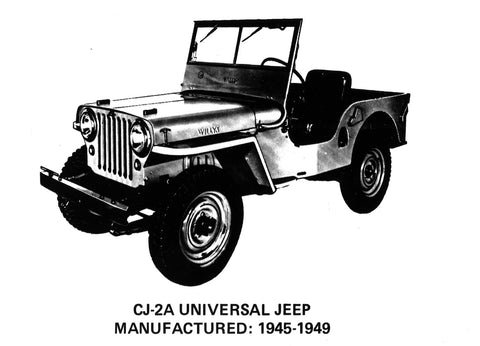
Jeep’s roots go back to World War II. The original Jeep was built for the U.S. Army by Willys-Overland in 1941. This rugged, go-anywhere vehicle soon became an icon. After the war, Willys started selling Jeeps to the public. Over the years, Jeep changed hands several times.
By the 1950s, Jeep had passed from Willys-Overland to Kaiser Motors, and later to the American Motors Corporation (AMC) in 1970. Under AMC, Jeep expanded its lineup, introducing famous models like the Cherokee and Wagoneer. These vehicles set new trends for SUVs in the US.
Chrysler’s Acquisition Of Jeep
The key moment happened in 1987. Chrysler Corporation, led by CEO Lee Iacocca, bought American Motors Corporation (AMC). This deal included all of AMC’s assets, but the real prize was Jeep. Chrysler paid about $1.5 billion for AMC, a huge sum at the time.
| Event | Year | Company Involved |
|---|---|---|
| Jeep Created by Willys-Overland | 1941 | Willys-Overland |
| Kaiser Buys Willys | 1953 | Kaiser Motors |
| AMC Acquires Jeep | 1970 | American Motors Corporation |
| Chrysler Acquires AMC (and Jeep) | 1987 | Chrysler |
The purchase was finalized on August 5, 1987. Chrysler wanted Jeep for its strong brand and loyal customers. The Jeep Cherokee and Wrangler were already popular, and Chrysler saw a chance to expand its lineup with these rugged vehicles.
Why Did Chrysler Want Jeep?
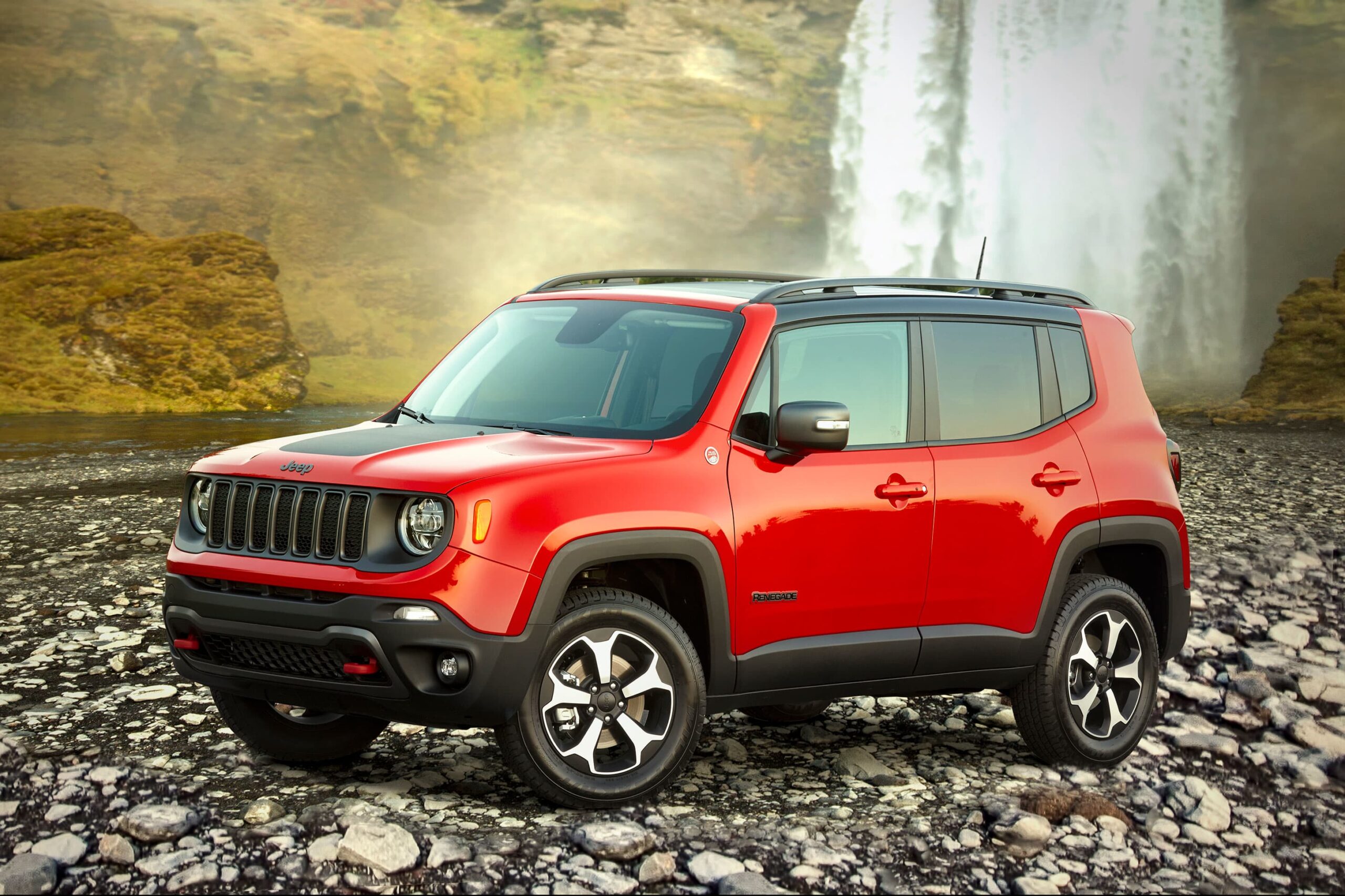
By the late 1980s, the SUV market was growing fast. Chrysler had no real SUV to compete with Ford’s Bronco or Chevrolet’s Blazer. Jeep was the perfect solution. The Jeep Cherokee XJ was especially popular, known for its unibody design and off-road ability.
Chrysler also gained access to AMC’s engineering talent, especially the innovative Eagle division, which later influenced new models. Jeep’s reputation for durability and adventure fit well with Chrysler’s plans to strengthen its product lineup.
| Before Acquisition | After Acquisition |
|---|---|
| No strong SUV in Chrysler lineup | Jeep fills the gap with Cherokee, Wrangler |
| Dependence on minivans and sedans | Diversified with off-road and SUV models |
| Limited engineering for 4×4 systems | Gained AMC/Jeep expertise |
What Changed After The Acquisition?
Chrysler’s purchase of Jeep brought immediate results. The Jeep brand grew, and new models were developed. The Grand Cherokee, launched in 1992, was a direct result of Chrysler’s investment. It became a huge hit and set new standards for luxury SUVs.
Chrysler updated Jeep factories, improved quality, and expanded marketing. Sales of Jeep vehicles rose sharply in the 1990s.
By the end of the decade, Jeep was one of Chrysler’s strongest brands.
Here are some effects of the acquisition:
- Expanded lineup: More models like the Grand Cherokee and later the Jeep Liberty.
- Global reach: Chrysler pushed Jeep into new markets worldwide.
- Better resources: Jeep gained access to Chrysler’s bigger R&D and manufacturing.
- Improved quality control: Chrysler invested in modernizing Jeep’s production.
The Long-term Impact
Jeep became Chrysler’s most valuable brand. Even when Chrysler went through tough times, including bankruptcy and mergers, Jeep stayed strong.
When Daimler-Benz merged with Chrysler in 1998 and when Fiat took over in 2009, the new owners always kept Jeep at the center.
As of today, Jeep is part of Stellantis, a global group created in 2021 by merging Fiat Chrysler Automobiles (FCA) with France’s PSA Group. Jeep sales continue to grow, with millions of vehicles sold every year.
An interesting fact: Many experts believe Chrysler’s decision to buy Jeep saved the company. Without Jeep’s popularity, Chrysler might not have survived the ups and downs of the auto industry.
Two Non-obvious Insights
- AMC’s engineering was a hidden benefit. While Chrysler wanted Jeep, it also gained talented engineers who later developed famous models like the Chrysler 300 and Dodge Ram.
- Jeep’s global appeal grew after Chrysler. Chrysler invested heavily in exporting Jeeps, making it a truly international brand. In fact, Jeep is now sold in over 140 countries.
For more about Jeep’s history, see the official Wikipedia entry on Jeep.
Frequently Asked Questions
When Did Chrysler Officially Buy Jeep?
Chrysler bought Jeep by acquiring AMC on August 5, 1987. The deal included all of AMC’s assets, but Jeep was the main target.
Why Did Chrysler Decide To Buy Jeep?
Chrysler needed a strong SUV brand. The growing popularity of SUVs made Jeep a valuable addition.
Jeep’s reputation and loyal customer base offered Chrysler a chance to compete better in the market.
Did Chrysler Change Jeep After The Purchase?
Yes. Chrysler modernized Jeep’s factories, improved quality, and expanded the model range.
New vehicles like the Grand Cherokee came after the acquisition, helping Jeep grow even more.
Who Owns Jeep Now?
Today, Jeep is owned by Stellantis. This global company was formed in 2021 when Fiat Chrysler Automobiles (FCA) merged with PSA Group from France.
What Was The Impact Of Chrysler Buying Jeep?
The deal helped Chrysler survive and grow. Jeep became one of the world’s top SUV brands.
The acquisition also brought new engineering talent and ideas into Chrysler, shaping its future vehicles.
Chrysler’s decision to buy Jeep in 1987 was bold and smart. It changed both companies and left a lasting mark on the auto industry.
Today, Jeep stands as a symbol of adventure and American ingenuity, thanks in large part to that fateful deal.