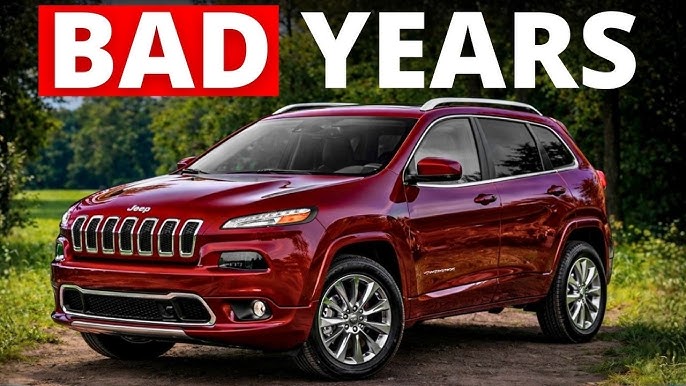
The Jeep Cherokee is a famous SUV, loved for its off-road skills and classic style. However, not every year is a safe bet.
Some model years have had more problems than others, often leading to expensive repairs and headaches for owners.
If you want to buy a used Cherokee, knowing which years to avoid can save you time, money, and stress. Let’s break down the years you should be careful with, why they’re risky, and what makes other years a better choice.
Years Of Jeep Cherokee To Avoid
Through the decades, the Cherokee has seen many changes. But a few years stand out for frequent mechanical issues, poor reliability, and high repair costs.
1. 2014 Jeep Cherokee
When the Cherokee returned in 2014, it brought a bold design and new technology. But the excitement quickly faded for many buyers.
- Transmission problems: The new 9-speed automatic transmission was a main selling point, but it turned into a major headache. Owners reported rough shifting, hesitation, and sudden loss of power. Many required software updates or full replacements.
- Engine stalling: Some 2014 Cherokees would stall without warning, creating dangerous situations on the road.
- Electrical glitches: Touchscreen failures and random warning lights frustrated many drivers.
2. 2015 Jeep Cherokee
The next year kept most of the same features and the same problems.
- Transmission issues: Complaints continued about jerky shifting and unexpected shifting to neutral.
- Check engine lights: Sensors often failed, leading to false alarms and expensive diagnostics.
- Weak resale value: Many used car sites show lower-than-average resale prices for this year.
3. 2019 Jeep Cherokee
After several years of improvements, the 2019 model seemed promising. Yet, it faced new challenges.
- Engine oil consumption: Many 2.4L engines burned oil quickly, sometimes needing extra oil between changes.
- Electrical system flaws: Problems with the infotainment system, backup cameras, and dashboard screens.
- Transmission recalls: Some vehicles needed recalls for faulty transmissions.
4. 2000–2001 Jeep Cherokee
Older Cherokees are often praised for their simplicity, but these two years are exceptions.
- Cylinder head cracks: The 4.0L engine in these years had a higher risk of cylinder head failures, leading to overheating and expensive repairs.
- Rust issues: Frame and underbody rust appeared earlier than in other years.
- Airbag problems: Some models had recalls for malfunctioning airbags.
5. 2016 Jeep Cherokee
While not as notorious as 2014 or 2015, the 2016 year still saw above-average complaints.
- Transmission complaints: Many issues persisted, including rough shifting and transmission warning lights.
- Engine failures: Some vehicles developed engine noise or even complete engine failure at lower mileage.
Comparison Of Common Issues By Year
Here’s a quick look at how major problems stack up across the years most often avoided:
| Model Year | Transmission | Engine | Electrical |
|---|---|---|---|
| 2014 | High | Medium | High |
| 2015 | High | Medium | Medium |
| 2016 | Medium | Medium | Medium |
| 2019 | Medium | High (Oil) | High |
| 2000–2001 | Low | High (Head) | Low |
Why These Years Stand Out
Not all Jeep Cherokees are unreliable. The problem years usually share a few things in common:
- New technology that wasn’t fully tested (like the 9-speed transmission in 2014–2015).
- Cost-cutting on critical parts, leading to premature failures.
- Recalls and technical service bulletins that show a pattern of issues not fixed quickly.
If you’re thinking about a used Cherokee, remember that older models aren’t always better. Sometimes, the most trusted years are in the middle of the production run, after early bugs have been fixed but before cost-cutting affects quality.
Best Alternatives: Safer Jeep Cherokee Years
For those who love the Jeep Cherokee but want fewer problems, some years are much safer bets. Models from 2017–2018 and 2004–2006 generally have better reliability, fewer widespread complaints, and lower repair costs.
Here’s a quick comparison:
| Model Year | Average Complaints | Known Major Issues |
|---|---|---|
| 2017 | Low | Minor electrical |
| 2018 | Low | Minor transmission |
| 2004–2006 | Low | Normal wear |
Buying from these years can help you avoid the most stressful repairs and enjoy the classic Jeep experience.

Non-obvious Insights For Used Buyers
Many new buyers only look at price and mileage, but two other points are just as important:
- Check for recalls and repair history: Even reliable years can have individual vehicles with big issues. Always ask for service records and check the VIN for open recalls.
- Beware of modified vehicles: Many Cherokees are used for off-roading. Suspension lifts, big tires, or engine modifications can hide abuse or extra wear.
Also, remember that regular maintenance matters more than the badge on the hood. A well-cared-for Cherokee from a risky year can be better than a neglected one from a “safe” year.
What To Do If You Already Own A Problem Year
If you already have a Cherokee from one of the years above, don’t panic. Here are some steps to protect your investment:
- Follow the maintenance schedule closely and use quality fluids.
- Address recalls quickly and save all paperwork.
- Watch for early warning signs (like rough shifting or warning lights) and act before problems get worse.
Sometimes, software updates from the dealer can fix transmission or electrical issues, even if your vehicle is out of warranty.
Frequently Asked Questions
What Is The Worst Year For The Jeep Cherokee?
The 2014 Jeep Cherokee is often named the worst due to major transmission failures, engine stalling, and electrical system problems.
Are Older Jeep Cherokees More Reliable?
Some older models, like those from the late 1990s and early 2000s, are known for reliability. However, the 2000–2001 years had major engine issues, so research the specific year before buying.
Is The Jeep Cherokee Expensive To Maintain?
Maintenance costs are close to average for SUVs, but problem years can bring much higher repair bills, especially for transmission or engine work.
How Can I Check If A Used Cherokee Has Recalls?
Use the vehicle’s VIN to search on the NHTSA website or ask a Jeep dealer to check for open recalls. Regularly updated info can be found at NHTSA.
Should I Buy A Jeep Cherokee With High Mileage?
If the maintenance history is strong and the model year is reliable, high mileage is not always a problem. But avoid high-mileage vehicles from the most problematic years.
Choosing the right Jeep Cherokee year means fewer surprises and more adventure. If you focus on the right models, you can enjoy all the benefits of this classic SUV without the common headaches.