The Jeep YJ is more than just a classic off-road vehicle—it's a symbol of automotive change. For many, the YJ is the first Jeep they remember seeing with square headlights.
If you love Jeeps, or you are just starting to learn about them, you may wonder: What year was the YJ Jeep? Let’s explore the history, features, and impact of this unique model.
The Birth Of The Yj Jeep
The Jeep YJ first appeared in 1986 as a replacement for the CJ series. Officially, it was called the Jeep Wrangler YJ, and its production began in late 1986 for the 1987 model year. The YJ was built to offer a smoother ride and better comfort than the earlier CJ models, which were famous for their ruggedness but lacked modern amenities.
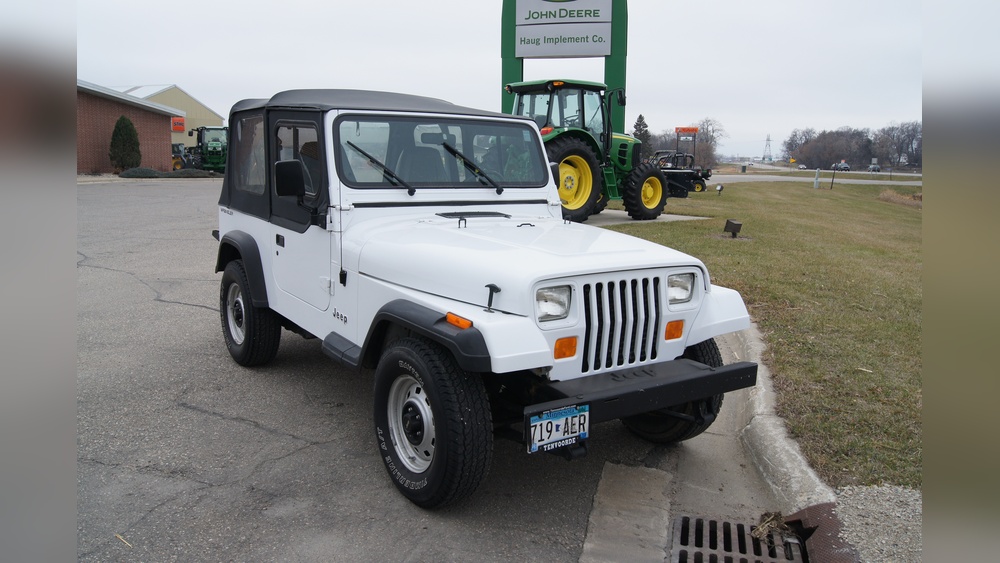
Jeep produced the YJ from 1986 to 1995, so if you see a Wrangler from this period, it’s almost certainly a YJ. The YJ’s production run lasted nine years, making it one of the longer-lasting Jeep generations.
| Model | Production Years | Headlight Shape | Main Changes |
|---|---|---|---|
| CJ | 1944-1986 | Round | Basic, rugged, few comforts |
| YJ | 1986-1995 | Square | Better ride, modern features |
| TJ | 1996-2006 | Round | Coil springs, improved comfort |
What Made The Yj Unique?
The square headlights are the first thing people notice. This was a major change from the traditional round lights of earlier Jeeps. It gave the YJ a distinct look, which some fans loved and others disliked.
Another big upgrade was the leaf spring suspension. While it kept the solid axle setup, the YJ’s suspension was tuned for a smoother drive on pavement—something Jeep owners had been asking for. The YJ also had a wider track for better stability.
Inside, the YJ introduced more comfortable seats, improved dashboards, and extra safety features. For the first time, you could get a Jeep with modern seat belts, and even an optional automatic transmission.
Engine Options
Over the years, the YJ offered several engines:
- 2.5-liter AMC inline-four (early models)
- 4.2-liter AMC inline-six (1987–1990)
- 4.0-liter AMC inline-six (1991–1995)
These engines gave buyers a choice between fuel economy and power. The 4.0-liter engine is famous for its reliability and torque, making it a favorite among off-roaders.
| Year | Engine | Horsepower | Torque (lb-ft) |
|---|---|---|---|
| 1987 | 2.5L I4 | 117 | 135 |
| 1987-1990 | 4.2L I6 | 112 | 210 |
| 1991-1995 | 4.0L I6 | 180 | 220 |
Why The Yj Still Matters
Jeep fans often debate which Wrangler model is best. The YJ stands out for several reasons:
- Affordable entry point: Used YJs are often cheaper than newer Wranglers, making them a good choice for beginners.
- Easy to modify: The simple design allows for upgrades, from lift kits to engine swaps.
- Reliable engines: Especially the 4.0-liter six-cylinder, which is known for lasting hundreds of thousands of miles.
- Classic Jeep experience: The YJ offers a pure, open-air driving feel that modern SUVs can’t match.
Many Jeep clubs and forums still have strong YJ communities. Owners often share tips about restoration, upgrades, and off-road adventures.
Common Yj Jeep Mistakes
If you’re looking to buy or restore a YJ, avoid these mistakes:
- Ignoring rust issues: The YJ’s frame and body can rust, especially in wet climates.
- Not checking the engine codes: Some YJs have older engines that are harder to find parts for.
- Overlooking the transmission type: Automatic and manual options exist, so check what you’re getting.
A non-obvious insight: Many people think all YJs are the same, but the later models (1991–1995) are more reliable thanks to the newer 4.0-liter engine and improved electronics.
Yj Jeep Models And Trim Levels
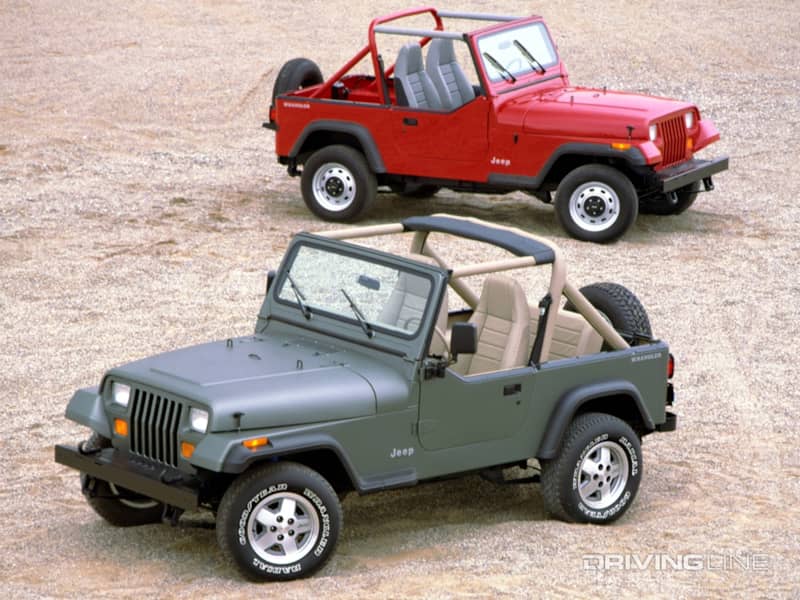
Jeep offered several YJ trims:
- Base: Simple features, manual windows, basic seats.
- Laredo: Extra chrome, upgraded interior, and more comfort.
- Islander: Bright colors, beach-themed decals.
- Renegade: Unique body kit, special wheels.
- Rio Grande: Affordable trim, launched in the early 90s.
| Trim | Main Features | Years Offered |
|---|---|---|
| Laredo | Chrome accents, plush seats | 1987-1992 |
| Islander | Special decals, colored interiors | 1988-1993 |
| Renegade | Wide fenders, special wheels | 1990-1994 |
| Rio Grande | Budget trim, basic features | 1995 |
How To Spot A Yj Jeep
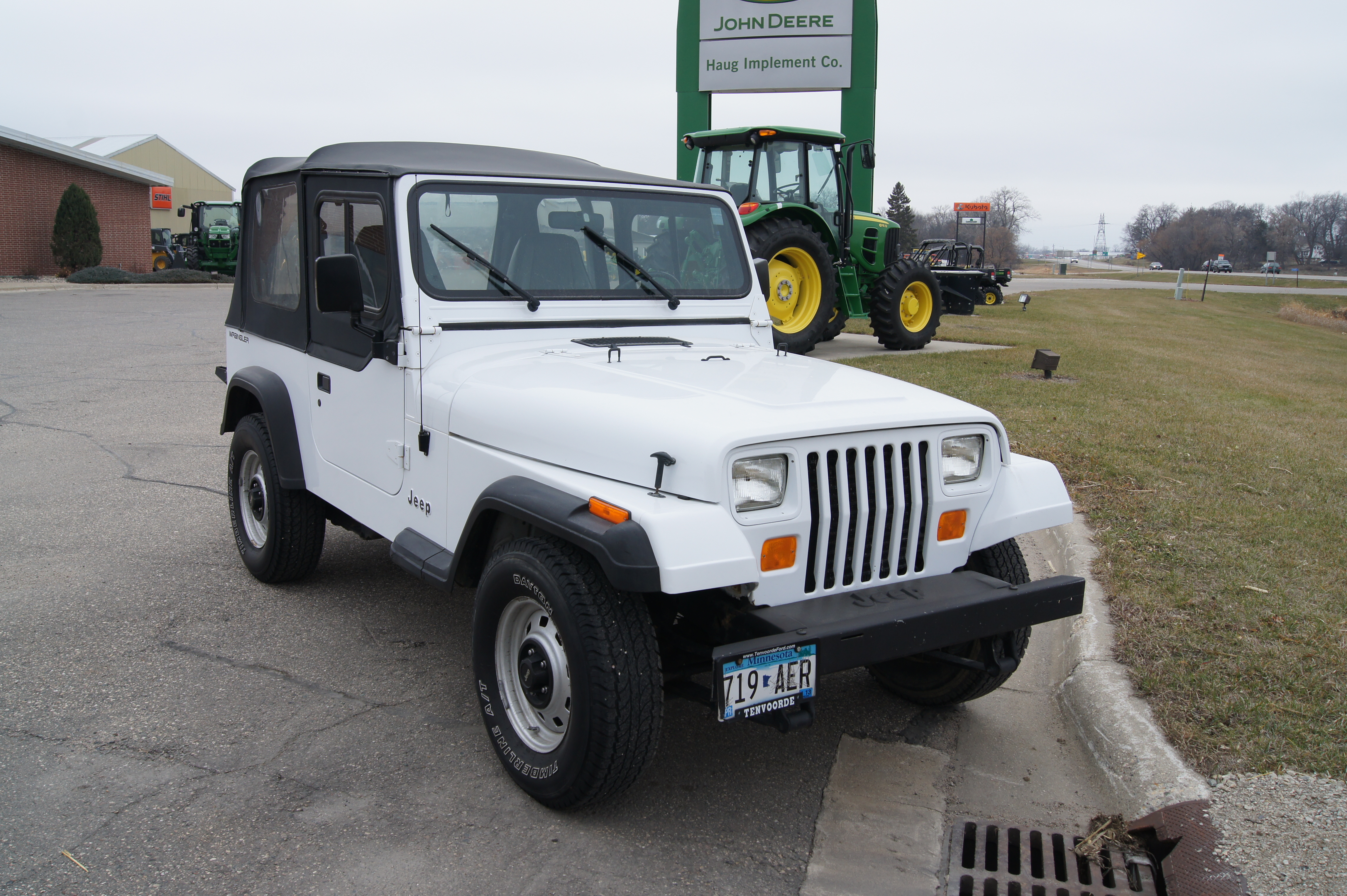
You can quickly identify a YJ by:
- Square headlights
- Flat hood
- Wide track
- Jeep logo on the grille
If you see these features, it’s likely a YJ from 1986 to 1995. The square headlights are especially important, because the later TJ model returned to round headlights.
Yj Jeep Legacy
After 1995, Jeep replaced the YJ with the TJ Wrangler. The TJ brought back round headlights and introduced coil spring suspension for a smoother ride. Still, the YJ is remembered as the bridge between the old CJ and modern Wranglers.
Today, the YJ is popular with collectors and off-road fans. Parts are still available, and many owners use them for trail driving, camping, and daily commuting.
The YJ’s simple mechanics make it easier to fix than newer models.
For more detailed history and specs, visit the Jeep Wrangler Wikipedia page.
Frequently Asked Questions
What Year Was The Yj Jeep First Released?
The YJ Jeep was first released in 1986 for the 1987 model year.
Why Does The Yj Jeep Have Square Headlights?
Jeep added square headlights to the YJ to modernize the look and distinguish it from earlier CJ models.
What Engines Are Available In The Yj Jeep?
The YJ offered 2.5-liter and 4.2-liter engines at first, later switching to a 4.0-liter inline-six for better performance.
How Can I Tell If A Jeep Is A Yj?
Check for square headlights and a production year between 1986 and 1995.
Is The Yj Jeep Good For Off-roading?
Yes, the YJ is still used for off-roading thanks to its strong frame, reliable engines, and easy upgrades.
n
The Jeep YJ marked a new era for the brand. Its mix of classic Jeep toughness and modern comfort still attracts fans today.
nnnn
Whether you want to buy, restore, or simply learn about the YJ, knowing its history and features helps you appreciate why it remains a favorite in the Jeep world.


















