The story of the first Jeep is a fascinating part of automotive history. When people hear the word "Jeep," they often think of rugged vehicles driving through mud, climbing hills, or leading convoys during war.
However, few know exactly when the first Jeep rolled onto the scene. If you’re curious about its origins, the year, the reasons behind its creation, and how it shaped both military and civilian life, this article will give you clear answers.
The Birth Year Of The First Jeep
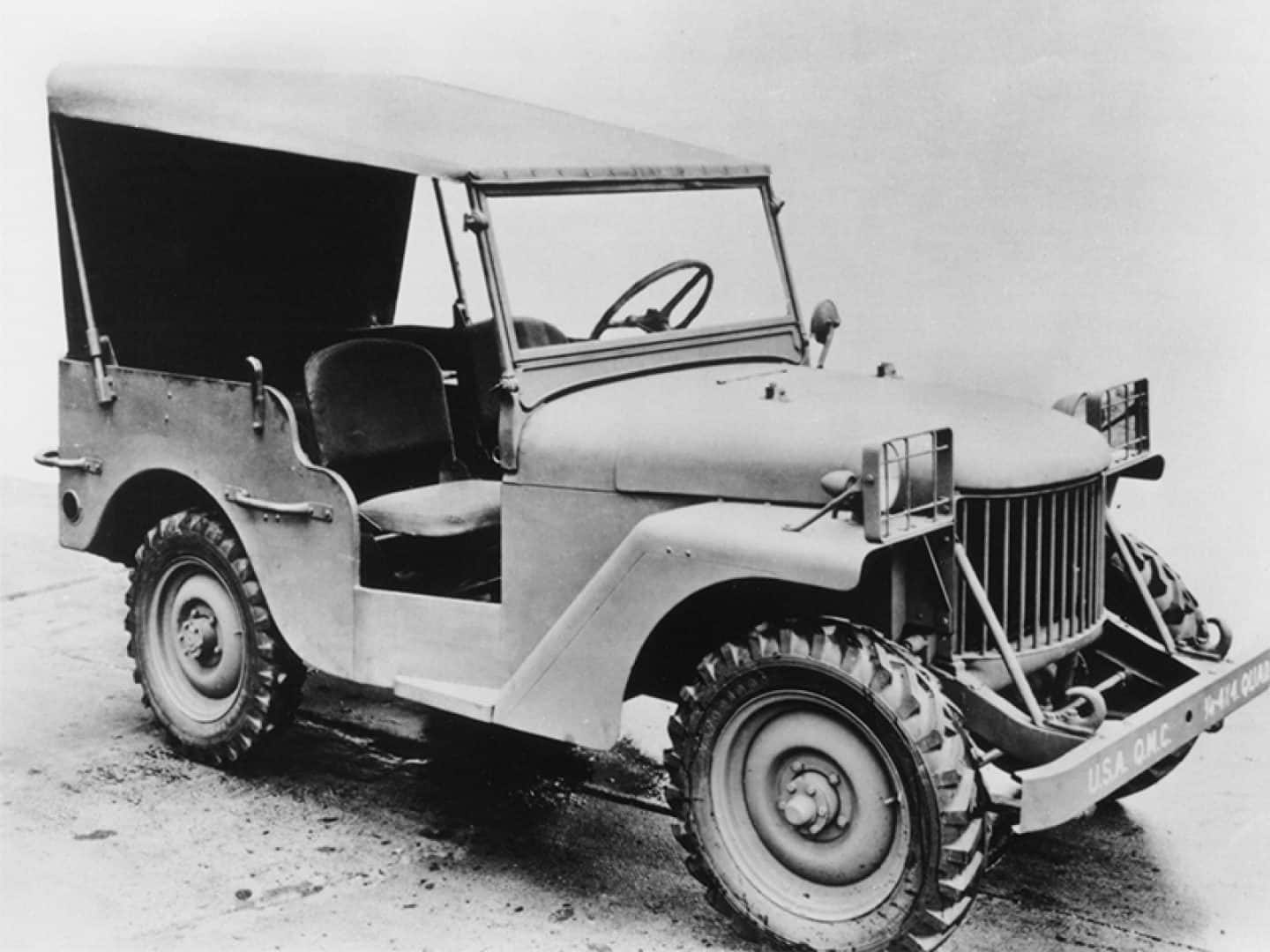
The first Jeep was built in 1940. That year, the U.S. Army needed a tough, compact vehicle for World War II. They invited American car companies to design a prototype in just 49 days. The result was the very first Jeep, known then as the Bantam Reconnaissance Car. In 1941, the design evolved, and production ramped up with models from Willys and Ford. But 1940 remains the key year when the Jeep was born.
Why Was The Jeep Created?
Jeep’s creation was not just about inventing a new car. The U.S. Army was searching for a vehicle that could:
- Handle rough roads and tough terrain
- Carry soldiers and equipment
- Be lightweight and easy to repair
- Fit tight spaces for transport
Before the Jeep, armies used motorcycles and trucks, which were not ideal for every mission. The Jeep solved these problems, quickly becoming the Army’s favorite vehicle.
Its simple design, strong engine, and four-wheel drive made it perfect for the battlefield.
Key Players In Jeep’s Early Years
Three companies played major roles in Jeep’s birth:
- American Bantam Car Company – Created the first working prototype in 1940.
- Willys-Overland – Improved the design and started mass production in 1941.
- Ford – Also produced Jeeps using Willys’ design to meet high demand.
The Army chose Willys’ design because it had a powerful engine. Ford helped build more Jeeps, but the basic design stayed the same. The Jeep’s nickname came from its military designation: “G.P.” for “General Purpose,” which soldiers pronounced as “Jeep.”
Early Jeep Models: A Quick Comparison
To understand how the Jeep evolved, here’s a comparison of three early models:
| Model | Year | Engine | Production |
|---|---|---|---|
| Bantam Reconnaissance Car | 1940 | 45 hp | Few prototypes |
| Willys MB | 1941 | 60 hp | Over 360,000 |
| Ford GPW | 1941 | 60 hp | Over 270,000 |
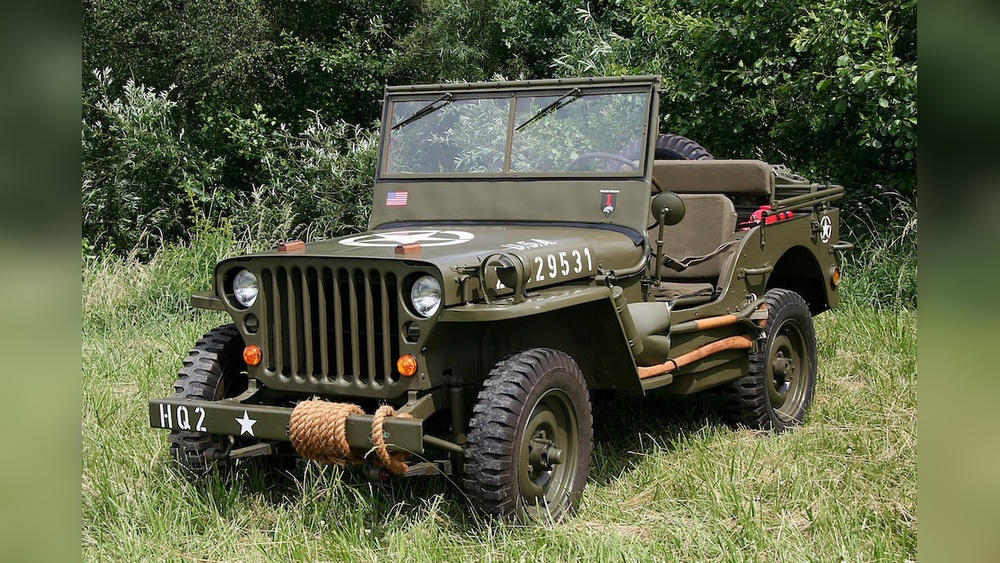
The Willys MB and Ford GPW became the most famous wartime Jeeps. Their strong engines and simple construction helped them survive harsh conditions.
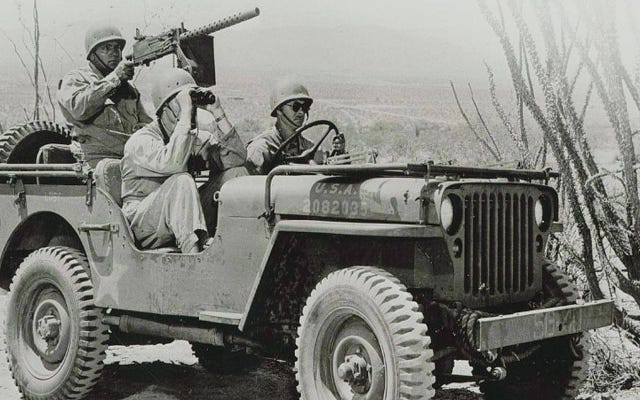
Jeep’s Role In World War Ii
During World War II, the Jeep was everywhere. It carried generals, wounded soldiers, supplies, and even pulled small guns.
The Jeep’s ability to drive through mud, snow, and rivers made it a hero of the war. Soldiers loved it because it rarely broke down and was easy to fix.
Here are a few statistics that show Jeep’s impact:
- Over 600,000 Jeeps were produced for the military between 1941 and 1945.
- Jeeps served in nearly every theater of the war: Europe, Asia, Africa, and the Pacific.
- The Jeep could carry up to 600 lbs of cargo and four passengers.
Civilian Jeep: How It Became A Family Car
After the war, people wanted a Jeep for everyday life. In 1945, Willys released the CJ-2A (“Civilian Jeep”), the first Jeep made for farmers, workers, and families. It kept the tough features but added comfort for non-military use.
Let’s compare the military and civilian Jeep models:
| Feature | Military Jeep (Willys MB) | Civilian Jeep (CJ-2A) |
|---|---|---|
| Production Start | 1941 | 1945 |
| Use | Military transport | Farm/work vehicle |
| Paint | Army green | Variety of colors |
| Bumper | Simple steel | Stronger, wider |
The CJ-2A was popular because it was reliable and could handle rough roads or farm fields. People used it to plow, tow, and even haul crops.

Two Surprising Insights About Early Jeeps
- Jeep’s design influenced modern SUVs. Many features found in today’s SUVs—four-wheel drive, compact size, and high ground clearance—were first seen in the original Jeep.
- Jeeps were shipped in pieces. During WWII, Jeeps were sometimes sent overseas in boxes. Soldiers would assemble them on arrival, saving space and shipping costs.
The Jeep Legacy And Modern Impact
The original Jeep changed how cars were made and used. Today, Jeep vehicles are sold in more than 100 countries.
The brand is known for adventure, toughness, and dependability. Even now, the basic shape and features of the first Jeep inspire new models.
Enthusiasts and historians still restore old Jeeps. The Jeep’s story is taught in schools and museums. If you want to explore more, the Jeep Wikipedia page gives a detailed history.
Frequently Asked Questions
What Year Was The First Jeep Made?
The first Jeep was built in 1940 by American Bantam Car Company.
Who Invented The First Jeep?
The first Jeep was designed by Karl Probst at American Bantam Car Company. Willys and Ford improved and mass-produced it.
Why Is It Called A Jeep?
The name “Jeep” comes from the G.P. military code, which stands for “General Purpose.” Soldiers started saying “Jeep” for short.
Was The First Jeep Used Only For War?
The first Jeep was made for the military, but after the war, it was adapted for civilian use in farming, work, and daily life.
How Many Jeeps Were Made During Wwii?
Over 600,000 Jeeps were produced between 1941 and 1945 for the U.S. military.
Final Thoughts
The first Jeep made history in 1940. It answered the Army’s call for a reliable, tough, and simple vehicle. Over the years, its role expanded from the battlefield to farms and city streets. Even today, Jeep remains a symbol of freedom and adventure. The story of the first Jeep is not just about a car—it’s about solving real problems and creating lasting change.