The first Jeep rolled onto the scene during a time of global crisis and innovation. Today, the Jeep is a symbol of ruggedness and freedom, but few know the fascinating details of its origin.
How did this iconic vehicle come to life, and what year marked its very first production?
Let’s explore the remarkable journey of the Jeep, from a military necessity to a beloved automotive legend.
The Birth Of The Jeep: 1941
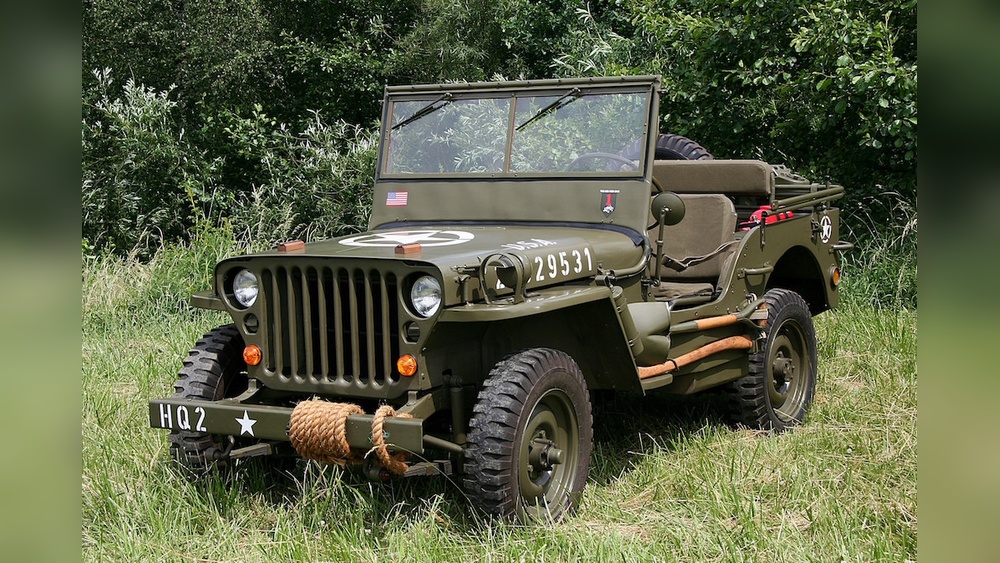
The first Jeep was produced in 1941. This was a pivotal year for both the automobile industry and military history. The United States had just entered World War II, and there was an urgent need for a tough, reliable vehicle that could handle rough terrain, carry equipment, and transport troops.
The US Army reached out to more than 130 car manufacturers, asking for a prototype that could meet strict requirements. Only a handful responded, but it was the small company American Bantam Car Company that delivered the first working prototype in just 49 days. Soon after, Willys-Overland and Ford were also brought in to refine and mass-produce the vehicle.
Why 1941 Was So Important
1941 is not just a date; it marks the birth of a new class of vehicle—the light military 4×4. The Jeep’s introduction changed how armies moved, making it easier to travel over mud, sand, and rocky paths. This year set the stage for the Jeep to become one of the most recognized vehicles in the world.
Who Built The First Jeep?
Three companies played a major role in the Jeep’s early development:
- American Bantam Car Company: Created the first prototype, called the “Bantam Reconnaissance Car.”
- Willys-Overland: Improved the design, especially the engine, leading to the famous “Go-Devil” engine.
- Ford: Helped with mass production and added the iconic nine-slot grille.
Here’s a quick comparison of their early contributions:
| Company | Main Contribution | Notable Feature |
|---|---|---|
| American Bantam | Original prototype | Compact size |
| Willys-Overland | Engine upgrade, mass production | “Go-Devil” engine |
| Ford | Standardized design, mass production | Pressed steel grille |

What Made The First Jeep Special?
The original Jeep, known as the Willys MB, had several features that set it apart:
- 4-wheel drive: Allowed it to go almost anywhere, from muddy battlefields to rocky hills.
- Lightweight: Weighed about 2,450 pounds, making it easy to transport.
- Simple design: Easy to repair in the field.
- Versatile: Could be used as an ambulance, supply vehicle, or even a small tractor.
Let’s look at how the Willys MB compared to other military vehicles of the time:
| Vehicle | Weight (lbs) | Engine Power (hp) | Drive |
|---|---|---|---|
| Willys MB (Jeep) | 2,450 | 60 | 4×4 |
| Harley-Davidson WLA | 540 | 23 | 2×2 |
| Dodge WC Series | 5,250 | 92 | 4×4 |
The Jeep’s Role In World War Ii
The Jeep quickly became the backbone of the Allied forces. More than 650,000 units were produced during the war. Soldiers praised its ability to travel through mud, snow, and deserts. It was even called the “vehicle that won the war” by General Eisenhower.
Beyond its basic roles, the Jeep was adapted for many uses:
- Reconnaissance missions
- Medical evacuations
- Communication (fitted with radios)
- Towing small artillery
Many military experts believe the Jeep’s reliability and flexibility played a key role in the success of the Allied armies.

How The Jeep Became A Civilian Favorite
After the war, Willys-Overland saw potential for the Jeep outside the military. In 1945, they introduced the CJ-2A (“Civilian Jeep”), designed for farmers, workers, and families. The Jeep’s reputation for toughness made it popular for both work and recreation.
Here’s a snapshot of key differences between the military and first civilian Jeep models:
| Feature | Willys MB (Military) | CJ-2A (Civilian) |
|---|---|---|
| Year Introduced | 1941 | 1945 |
| Color | Army green | Variety (red, blue, yellow) |
| Tailgate | No | Yes |
| Use | Military only | Farming, general use |
Non-obvious Insights About The First Jeep
Many believe the name “Jeep” comes from the letters “GP,” meaning “General Purpose. ” However, it’s more likely from a popular cartoon character named “Eugene the Jeep” from the Popeye series, which was known for going anywhere and doing anything—just like the vehicle.
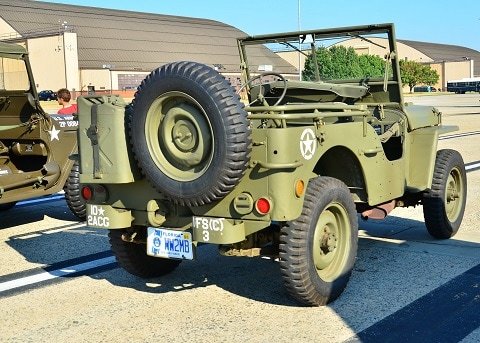
Another point beginners often miss: Willys-Overland and Ford built Jeeps to the same design, and only small details (like the shape of the grille or stamped letters on parts) reveal the true maker. This makes original WWII Jeeps highly collectible today.
The Jeep Legacy
The Jeep’s unique combination of simplicity, toughness, and adaptability created a lasting legacy. Today, Jeep vehicles are sold worldwide, and their DNA can be traced directly back to that first production model in 1941. Whether you see a modern Wrangler on the highway or a restored Willys at a car show, you’re looking at a piece of history that started with a wartime need.
If you want to read more about the Jeep’s history, check out the official Jeep Wikipedia page.
Frequently Asked Questions
When Was The First Jeep Produced?
The first Jeep was produced in 1941 for the US Army, marking the start of its legendary history.
Who Built The First Jeep?
American Bantam Car Company made the first prototype, but Willys-Overland and Ford soon took over to refine and mass-produce the Jeep.
Why Was The Jeep Created?
The Jeep was created to meet the military’s need for a small, durable, and versatile 4×4 vehicle that could handle any terrain during World War II.
What Was The First Civilian Jeep?
The Willys CJ-2A, launched in 1945, was the first Jeep available to the public. It was designed for work and leisure outside the military.
How Did The Jeep Get Its Name?
Most experts believe the name comes from “Eugene the Jeep,” a cartoon character known for going anywhere, fitting the vehicle’s rugged image.
The Jeep’s story is a reminder that necessity and innovation can create something timeless. Its journey from a battlefield workhorse to a global icon began in 1941—and the Jeep continues to inspire adventure today.