Buying a used Jeep Wrangler is a big decision. These vehicles are famous for their rugged style, off-road ability, and loyal fan base.
But not every Wrangler is the same. Some model years stand out for reliability, comfort, or value, while others are best avoided.
Picking the right year can save you money and headaches. Let’s break down which Jeep Wrangler years are worth considering, what to watch out for, and how to make a smart choice.

Understanding Jeep Wrangler Generations
Jeep Wrangler models are divided into generations. Each one brings changes in design, technology, and performance. Here’s a quick overview:
| Generation | Years | Main Features |
|---|---|---|
| YJ | 1987–1995 | Square headlights, basic interior, leaf springs |
| TJ | 1997–2006 | Round headlights, coil springs, better ride |
| JK | 2007–2018 | 4-door option, more comfort, updated engines |
| JL | 2018–present | Modern tech, lighter materials, turbo engine options |
Most buyers focus on TJ, JK, and JL Wranglers. Older YJ models are simpler but may lack safety and comfort for daily use.
Best Jeep Wrangler Years For Reliability
Some Wrangler years have fewer problems and strong owner ratings. Here are the standouts:
- 2004–2006 TJ: These late TJ models have the trusted 4.0L straight-six engine. They avoid rust better than older ones and have fewer electrical issues.
- 2012–2017 JK: Jeep fixed many early JK problems by 2012. The 3.6L Pentastar V6 replaced the sluggish 3.8L. These years balance price, features, and dependability.
- 2018–2020 JL: The latest generation brings better ride quality, modern tech, and improved engines. Early JL models may have minor bugs, but Jeep addressed most quickly.
Reliability Data Snapshot
Let’s compare three popular years:
| Year | Engine | Average Reliability Rating (out of 5) | Common Issues |
|---|---|---|---|
| 2006 | 4.0L I6 | 4.5 | Minor electrical |
| 2015 | 3.6L V6 | 4.2 | Airbags recall |
| 2019 | 2.0L Turbo/3.6L V6 | 4.3 | Software glitches |
Years To Avoid
Not every Wrangler is a great buy. Some years have design flaws, recalls, or costly repairs. Watch out for:
- 2007–2011 JK: Early JKs suffer from engine and transmission issues. The 3.8L V6 is known for burning oil and weak acceleration.
- 2012: The first year for the 3.6L Pentastar saw cylinder head failures. Jeep fixed this in later years.
- 2018 JL (early build): Some buyers reported electrical bugs and steering “wander.” These were mostly fixed in later 2018 and 2019.
Key Features To Consider
Different years offer different features. Think about how you’ll use your Jeep.
- Off-road use: Older TJs are lighter and simpler, better for heavy trail use.
- Daily driving: JK and JL Wranglers bring more comfort, safety, and tech.
- Family use: 4-door Unlimited models (from 2007) offer space for kids and gear.
- Fuel economy: Newer JL models with the 2.0L turbo or EcoDiesel save gas.
Here’s a look at fuel economy by generation:
| Generation | Engine | City MPG | Highway MPG |
|---|---|---|---|
| TJ (2006) | 4.0L I6 | 14 | 18 |
| JK (2015) | 3.6L V6 | 17 | 21 |
| JL (2020) | 2.0L Turbo | 21 | 24 |

Price And Value
Used Wrangler prices depend on year, mileage, and condition. Wranglers hold value better than most SUVs. For example, a 2015 Wrangler may cost $22,000–$28,000, while a 2019 model often sells for $30,000 or more.
Two non-obvious tips:
- Low mileage isn’t always better. A well-maintained Wrangler with higher miles can outlast a neglected low-mile one.
- Modifications can hurt or help. Lift kits, big tires, or engine swaps may look cool but can affect reliability and insurance. Stock models usually keep value best.
Common Buyer Mistakes
- Ignoring rust: Check under the Wrangler, especially frame and floor pans, for corrosion.
- Skipping test drives: Drive on both highway and rough roads to check for steering or suspension problems.
- Not checking recalls: Some years had airbag or steering recalls. Make sure these were fixed.
- Forgetting about hard/soft tops: A hardtop is quieter and lasts longer but costs more to replace.

Making Your Decision
If you want classic simplicity, look for a 2004–2006 TJ. For a mix of comfort and capability, 2012–2017 JKs are safe bets. Want the latest tech and best ride? A 2019 or newer JL is hard to beat if your budget allows.
Always get a vehicle history report and a trusted mechanic’s inspection before you buy. For more Wrangler details, see the official Jeep Wrangler site.
Frequently Asked Questions
What Is The Most Reliable Year For A Used Jeep Wrangler?
The 2006 TJ and 2015 JK are often named most reliable by owners and mechanics. They have fewer engine and transmission problems.
Which Jeep Wrangler Year Is Best For Off-roading?
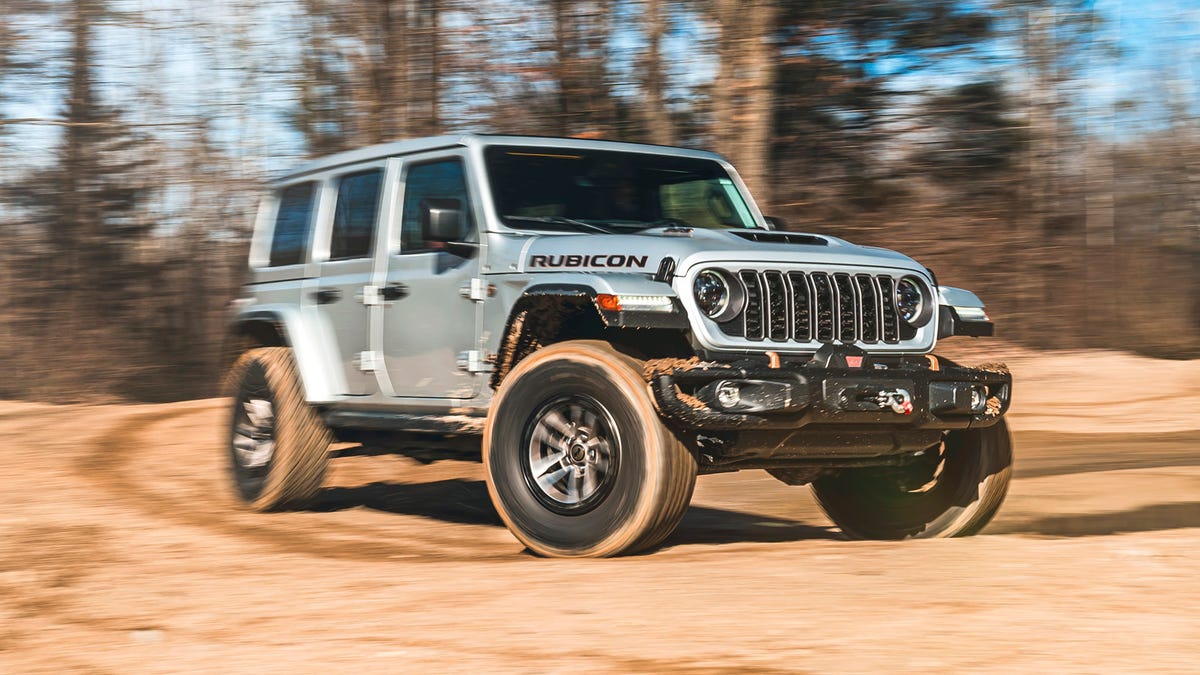
Many off-road fans prefer the 2004–2006 TJ Rubicon for its simple design, strong axles, and low-range gearing. The JL Rubicon (2018+) is also excellent but more expensive.
Are Newer Wranglers Worth The Higher Price?
If you want modern safety, better ride, and infotainment, the newer JL models are worth it. But earlier JKs offer most Wrangler features for less.
What Are The Worst Jeep Wrangler Years To Avoid?
Avoid 2007–2011 JK models for engine and electrical issues, and early 2012 JKs with cylinder head problems. Early 2018 JLs had some initial bugs.
How Many Miles Will A Jeep Wrangler Last?
With good care, a Wrangler can last 200,000 miles or more. Regular maintenance and fixing rust early are key to long life.
Choosing the right Wrangler year means thinking about your needs, budget, and comfort with repairs. Take your time, and you’ll find a Jeep that’s ready for adventure.