Buying a used Jeep Wrangler can be exciting, but not every year is a good choice. Some Wranglers have serious problems that can cost you time and money.
If you want to avoid mistakes, you need to know which years are risky and why. This article will help you understand the years you should avoid, using real data, examples, and expert advice.
You’ll also learn how to spot trouble before you buy, and get answers to common questions at the end.

Wrangler Years To Avoid
Not all Wranglers are equal. Some years have more complaints, recalls, or expensive repairs than others. Here are the main years buyers should be careful with:
- 2007 Jeep Wrangler
- 2008 Jeep Wrangler
- 2012 Jeep Wrangler
- 2013 Jeep Wrangler
- 2014 Jeep Wrangler
Each of these years has unique issues, but they share some major problems.
Common Problems In These Years
- Engine failure: Many owners report the engine stops working suddenly, sometimes needing a full replacement.
- Electrical faults: Problems with the TIPM (Totally Integrated Power Module) cause starting issues, lights flickering, or accessories not working.
- Transmission troubles: Automatic transmissions may slip, fail to shift, or break down.
- Water leaks: Poor seals around doors and windows can let in water, damaging interiors and causing mold.
- Suspension and steering: Some Wranglers have “death wobble”—a violent shake when driving at speed.
Let’s look at the details for each year.
Detailed Year-by-year Breakdown
2007 & 2008 Jeep Wrangler
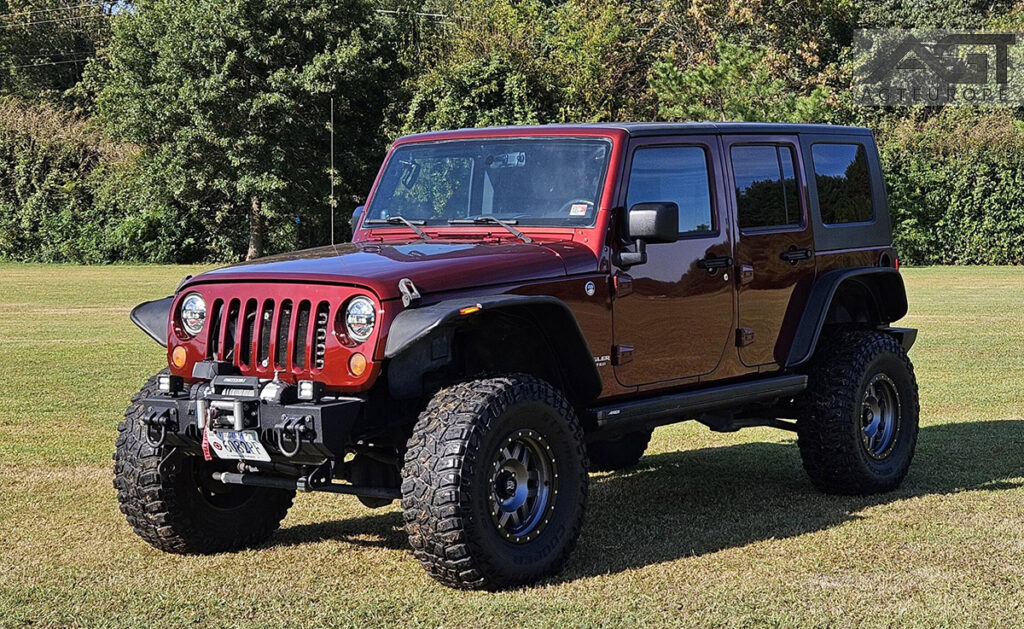
These were the first years of the JK generation. While popular for their new look, they had many problems.
- Engine: The 3.8L V6 is underpowered and prone to oil leaks.
- TIPM: Electrical issues were frequent, leading to recalls.
- Transmission: Early JK models had reports of rough shifting and failures.
| Year | Main Issue | Repair Cost (avg) | Recalls |
|---|---|---|---|
| 2007 | Engine/Electrical | $2,500 | 8 |
| 2008 | Transmission/Electrical | $2,200 | 9 |
2012–2014 Jeep Wrangler
The 3.6L Pentastar engine started in 2012. It was stronger, but early models had big problems.
- Cylinder head failure: The engine’s left cylinder head often breaks, causing misfires and expensive repairs.
- Water leaks: Roof and window seals fail, especially after heavy rain.
- Electrical: Issues with sensors and the TIPM still exist.
| Year | Engine Issue | Transmission Issue | Water Leak |
|---|---|---|---|
| 2012 | Frequent | Occasional | Common |
| 2013 | Common | Rare | Frequent |
| 2014 | Moderate | Rare | Frequent |
Why These Years Are Risky
The main reason to avoid these years is reliability. According to data from CarComplaints and NHTSA, these years have the most reports of serious problems. Owners often spend thousands fixing issues that shouldn’t happen in a well-built vehicle.
For example, the 2012 Wrangler has over 1,000 complaints about engine failure. The 2007 model has many reports of electrical failures that leave drivers stranded. Repairs are expensive, and recalls don’t always fix the root cause.
How To Spot A Bad Wrangler
If you’re shopping for a Wrangler, look for signs of trouble before you buy. Here are some steps:
- Check VIN for recalls: Use online tools to see if the vehicle has open recalls.
- Inspect for water leaks: Look under seats and carpets for dampness or mold.
- Test electricals: Try all switches, lights, and accessories.
- Drive at highway speed: See if you feel shaking or “death wobble.”
- Ask for maintenance records: Make sure the engine and transmission have regular service.
| Check Point | What to Look For | Risk Level |
|---|---|---|
| Water leaks | Damp floors, mold | High |
| Electrical faults | Non-working accessories | Medium |
| Engine noise | Knocking, misfire | High |
| Steering shake | Death wobble | High |
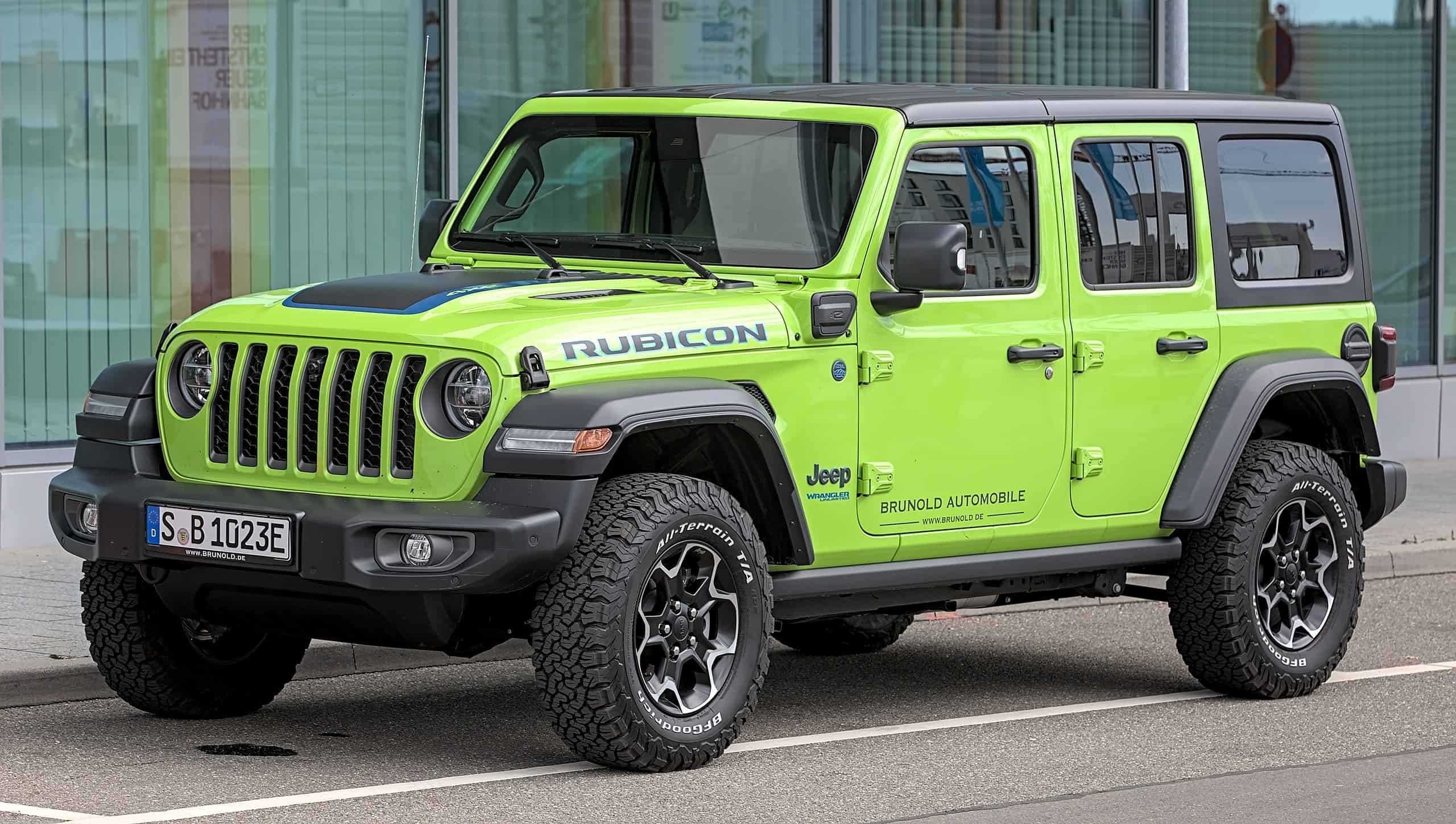
Better Wrangler Years
If you want a Wrangler that’s less risky, consider these years:
- 2015–2017: Fewer engine and electrical issues. Improved seals and reliability.
- 2018–present: The JL generation has modern features, stronger engines, and fewer complaints.
These years cost more, but you save money on repairs and headaches.
Non-obvious Insights
Many buyers focus only on mileage, but year and model matter more with Wranglers. Even low-mileage 2007–2008 Wranglers can have major engine or electrical failures. Also, some problems (like water leaks) are hard to spot in dry climates, so ask about rainy weather history.
Another overlooked tip: Wranglers with lots of aftermarket parts (like lifts or big tires) are more likely to have steering or suspension problems. Always check if modifications were done professionally.

Frequently Asked Questions
Which Jeep Wrangler Year Is The Worst?
The 2008 Jeep Wrangler is often considered the worst due to many engine, electrical, and transmission problems. Repair costs are high and issues are frequent.
Are Older Wranglers More Reliable?
Older Wranglers, like the TJ models (1997–2006), are usually simpler and have fewer electrical issues. However, rust and age-related problems can be serious.
What Is The “death Wobble” In Wranglers?
The death wobble is a violent shaking of the steering wheel, usually caused by worn suspension parts or improper alignment. It’s common in some JK models and can be dangerous.
How Can I Check If A Wrangler Has Water Leaks?
Look for wet carpets, musty smells, or mold under seats. Test by pouring water over the roof and watching for leaks inside. Check roof seals and door seals closely.
Should I Buy A Modified Wrangler?
It depends. Wranglers with professional modifications can be great, but poorly done lifts or big tires can cause steering, suspension, and brake problems. Always inspect carefully and ask for receipts.
Buying a Jeep Wrangler should be fun, not stressful. By avoiding the risky years and knowing what to look for, you’ll find a Jeep that’s reliable and ready for adventure. For more detailed reliability data, check Wikipedia. Make your choice with confidence and enjoy the ride.