Buying a used Jeep Grand Cherokee can be exciting, but knowing which years to avoid is essential for a smart purchase. Many models offer great value and reliability, but a few have serious problems that can cost you time and money.
This guide will help you understand which years are risky, why they’re problematic, and what to look for instead.
Why Some Jeep Grand Cherokee Years Are Risky
Not every Grand Cherokee is built the same. Some years have recurring issues that make them less desirable. Problems can include engine failure, electrical faults, and transmission troubles. If you’re shopping for a used SUV, avoiding these years will save you from headaches and expensive repairs.
Two main reasons drive these concerns:
- Design flaws and manufacturing defects that affect many vehicles from the same year.
- Poor reliability ratings and a high number of complaints from owners.
Jeep Grand Cherokee Years To Avoid
Based on owner reports, recall data, and expert reviews, several years stand out as risky choices. Here’s a breakdown of the worst offenders:
| Year | Main Issues | Estimated Repair Cost |
|---|---|---|
| 2011 | Electrical, engine failure, TIPM problems | $1,500–$5,000 |
| 2014 | Transmission, infotainment glitches, recalls | $1,800–$4,000 |
| 2015 | Transmission, electrical issues | $2,000–$4,500 |
| 2012 | TIPM, engine stalling | $1,400–$3,500 |
| 2013 | Transmission, electrical, recalls | $1,500–$3,500 |
2011 Jeep Grand Cherokee
The 2011 model is notorious for electrical and engine problems. Owners report issues with the Totally Integrated Power Module (TIPM), which controls essential functions like fuel and ignition. A faulty TIPM can cause the engine to stall or fail to start. Repairing this module is expensive, and replacements often don’t fix the root problem.
2014 Jeep Grand Cherokee
The 2014 model saw major changes, but these updates came with many headaches. Transmission problems are common, especially rough shifting and sudden failure. The infotainment system glitches frequently, locking up or rebooting while driving. Multiple recalls were issued for software and airbag defects.
2015 Jeep Grand Cherokee
While newer, the 2015 Grand Cherokee continued to struggle with transmission and electrical issues. Owners complain about the SUV not shifting correctly, and dashboard lights flickering. These issues often lead to expensive repairs and lower resale value.
2012 And 2013 Jeep Grand Cherokee
Both the 2012 and 2013 models share similar problems. The TIPM keeps causing electrical faults, and the engine sometimes stalls unexpectedly. There are also reports of transmission troubles and several recalls for airbag and brake issues.
How These Years Compare To Better Options
Not all Grand Cherokees are bad. Some years are much more reliable and have fewer complaints. Here’s how the worst years stack up against the best:
| Year | Owner Complaints | Reliability Rating (out of 5) |
|---|---|---|
| 2011 | 1,600+ | 2.3 |
| 2014 | 1,100+ | 2.8 |
| 2017 | 400+ | 4.1 |
| 2018 | 350+ | 4.3 |
| 2020 | 150+ | 4.6 |
As you can see, newer models like 2017 and later have fewer complaints and higher reliability. Choosing a year with fewer issues means you’ll likely spend less on repairs and enjoy a smoother ownership experience.
What Causes These Problems?
A few factors contribute to the issues seen in these years:
- TIPM defects: This module failed frequently between 2011–2013, affecting many key systems.
- Transmission redesigns: The 2014–2015 models had new transmissions that were not fully tested, leading to performance problems.
- Software errors: Updates to infotainment and safety systems often caused unexpected glitches.
- Recall delays: Some problems were not fixed quickly, leaving owners frustrated.
An insight many beginners miss: Sometimes, the same part is used across several years, meaning a problem in 2011 can show up again in 2012 or 2013. Always check if a used Grand Cherokee has recall repairs completed.
How To Spot A Problematic Grand Cherokee
If you’re considering one of the risky years, inspect carefully for these warning signs:
- Dashboard warning lights that stay on
- Shifting problems or jerky transmission
- Unusual electrical behavior (windows, locks, lights)
- Trouble starting the engine or frequent stalling
- Infotainment system freezing or rebooting
Ask for maintenance records and check if recalls were addressed. Always test drive and pay attention to how the vehicle shifts and responds.
Smart Tips For Buying A Used Grand Cherokee
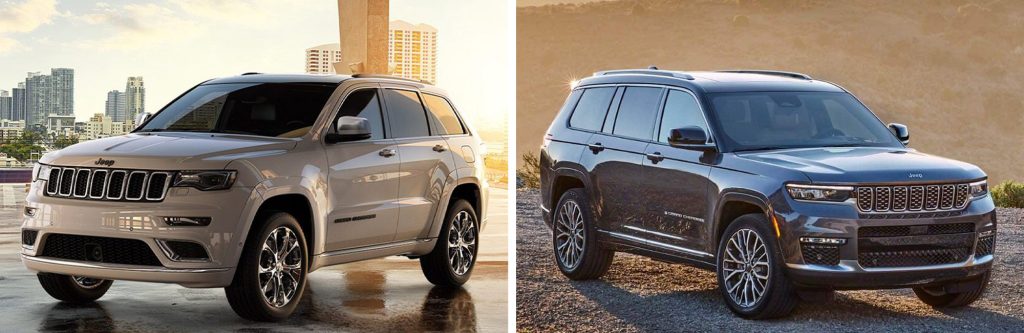
- Choose a model from 2017 or newer for better reliability.
- Check for recall repairs before buying.
- Request a pre-purchase inspection from a trusted mechanic.
- Avoid models with a history of electrical or transmission issues.
- Research owner forums for real-world experiences.
- Use trusted sources like Consumer Reports for reliability ratings.
A non-obvious tip: Even within a bad year, some trim levels and engines are less problematic. For example, certain V6 models in 2014 may have fewer issues than the V8. Always check specific trim reliability.
Frequently Asked Questions
What Is The Worst Year For Jeep Grand Cherokee?
The 2011 Jeep Grand Cherokee is widely seen as the worst due to TIPM failures, engine stalling, and high repair costs.
Are 2014 And 2015 Jeep Grand Cherokees Reliable?
No, both years have transmission problems, electrical faults, and frequent recalls. It’s safer to avoid these models.
How Can I Check If A Grand Cherokee Has Recall Repairs Done?
Ask the seller for service records and check the VIN on the NHTSA recall website. This will show completed and outstanding recalls.
Are Newer Grand Cherokees Much Better?
Yes, models from 2017 and newer have improved reliability, fewer complaints, and better technology.
Is Buying A Jeep Grand Cherokee Risky?
It depends on the year. Avoid problematic years, check for recalls, and get a mechanic’s inspection to reduce risk.
If you avoid the worst years and follow these tips, you can enjoy a dependable Jeep Grand Cherokee without costly surprises.


















