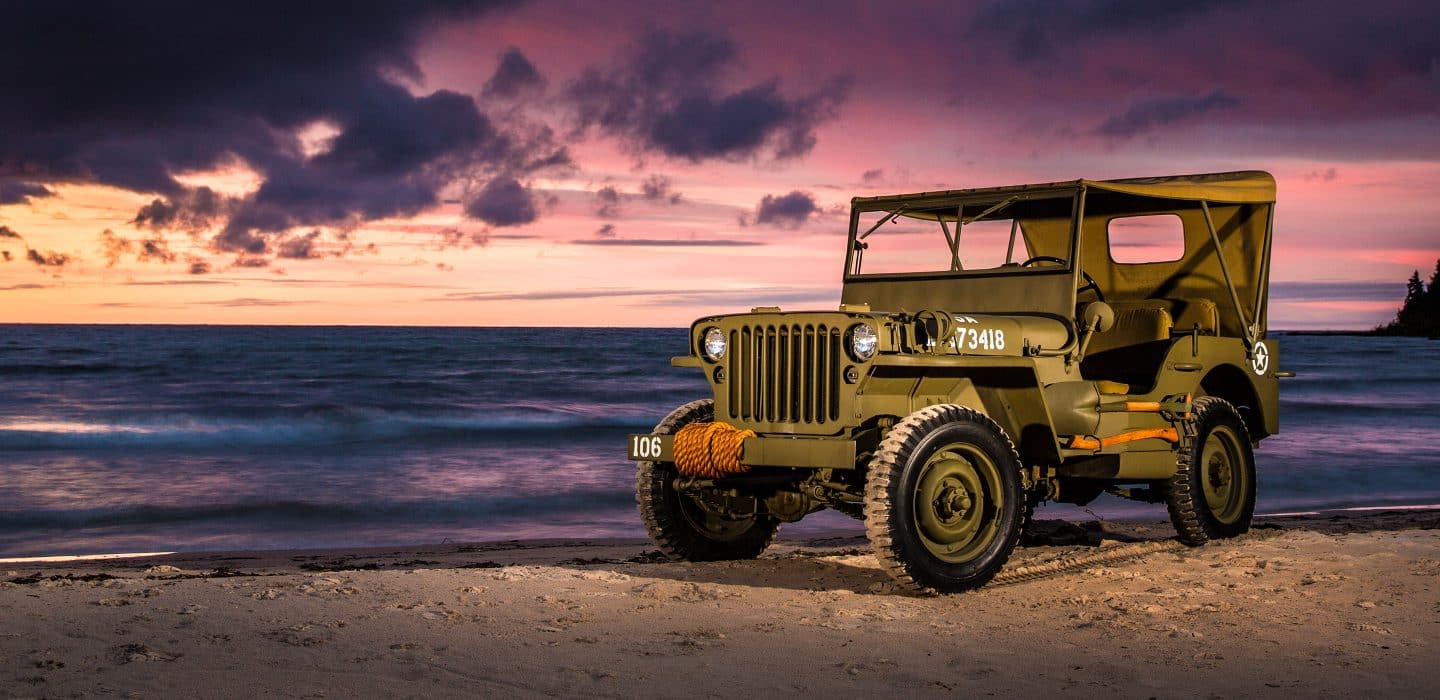
The Jeep is an icon of both military and civilian vehicles. Many people know its unique look and strong reputation.
But when did the first Jeep actually come out? The story of Jeep’s birth is not only about a year—it’s a tale of innovation, wartime need, and a vehicle that changed history.
Let’s explore how the first Jeep came to life, why it mattered, and what made it stand out from any other car of its time.
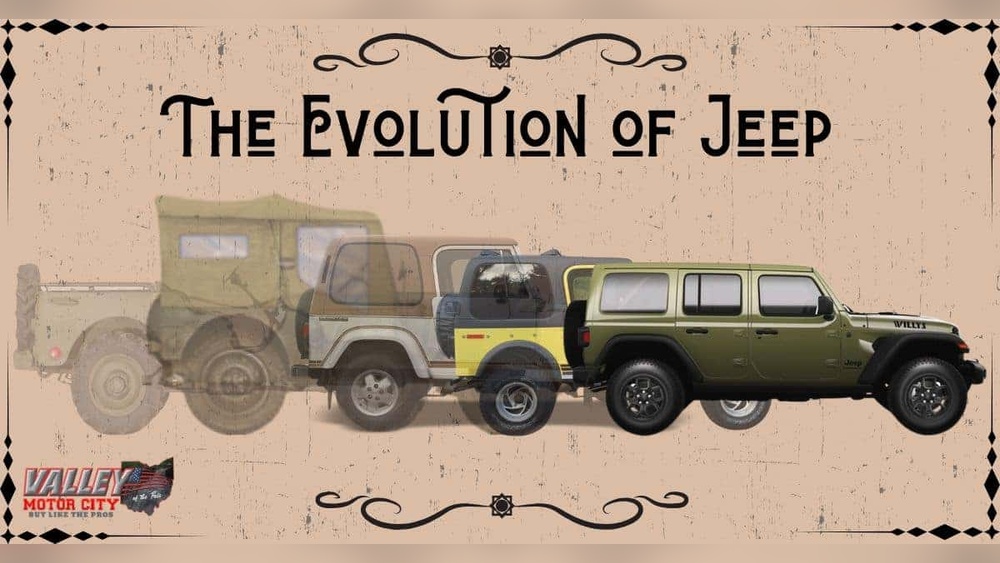
The Birth Year Of The First Jeep
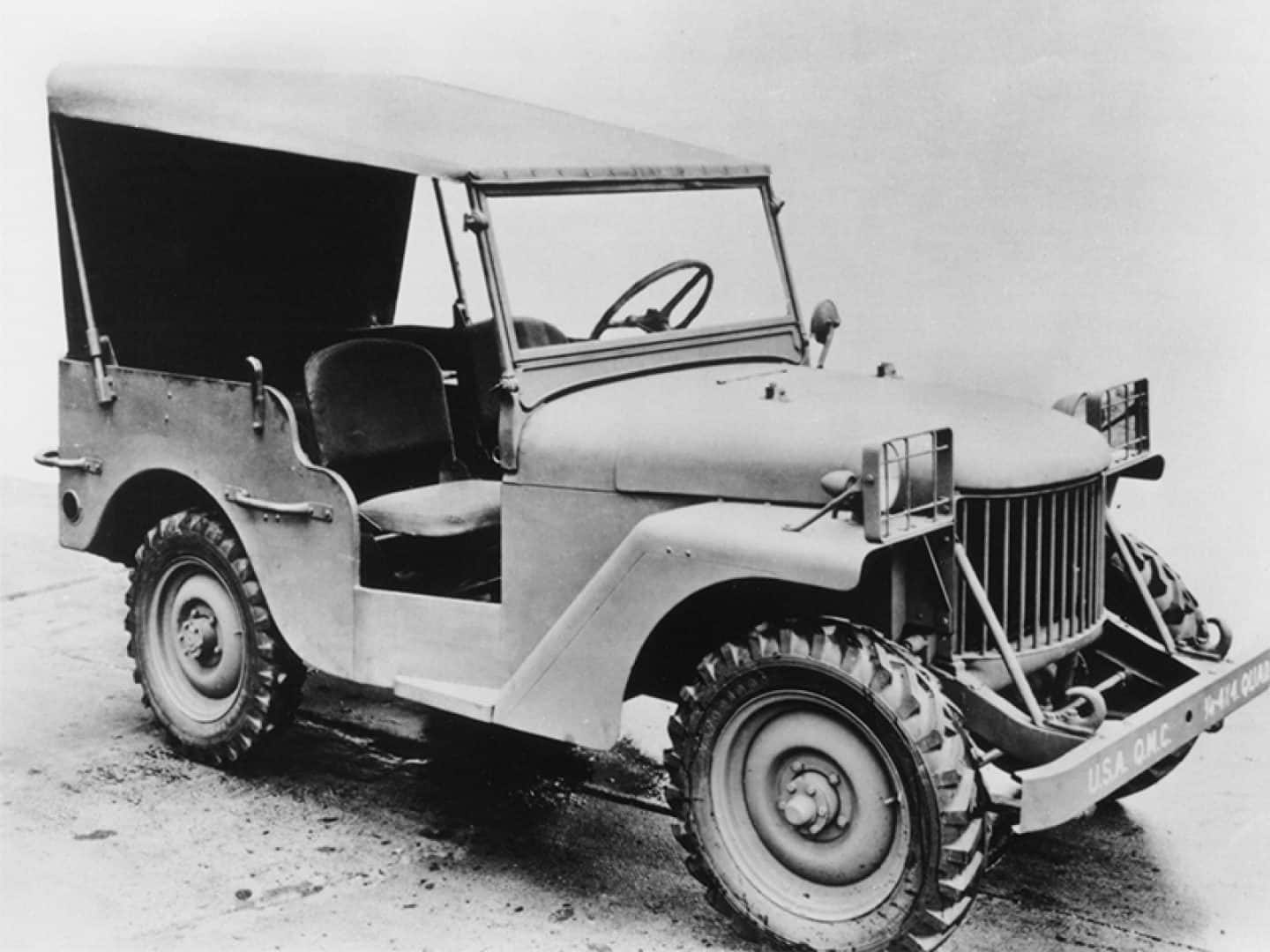
The first Jeep rolled onto the scene in 1940. This was a time when World War II was changing the world. The U.S. Army needed a small, tough, all-terrain vehicle. They sent out a request to American car makers. The challenge was big: Build a new vehicle, fit for war, in just 49 days.
Only a few companies responded. Bantam, a small car company, created the first working prototype. It was called the Bantam Reconnaissance Car (BRC). The Army tested it in September 1940. Even though Bantam built the first Jeep, the story didn’t end there. Larger companies, Willys-Overland and Ford, joined in to improve the design. By 1941, Willys’ version, the Willys MB, became the standard military Jeep.
Why 1940 Was So Important
The year 1940 was a turning point for military vehicles. Before the Jeep, armies relied on motorcycles, horses, or big trucks. These options were slow or hard to use in rough land. The Jeep’s arrival solved many problems:
- Fast production: The Army needed 70 vehicles in weeks, not months.
- Agile design: The Jeep was small but powerful, with four-wheel drive and a strong engine.
- Versatile use: It could carry soldiers, tow weapons, and move easily off-road.
The Jeep quickly became a symbol of American ingenuity. In fact, the name “Jeep” itself is believed to come from the term “G.
P. ” (for “General Purpose” vehicle), which soldiers said quickly as “Jeep. ”
Comparing The Three Original Jeep Makers
Three companies played a key role in the Jeep’s early history: Bantam, Willys-Overland, and Ford. Here’s how their first models compared:
| Company | Model Name | Year Released | Engine Power | Main Contribution |
|---|---|---|---|---|
| Bantam | BRC | 1940 | 45 hp | First prototype |
| Willys-Overland | MA/MB | 1941 | 60 hp | Standard design, “Go Devil” engine |
| Ford | GP/GPW | 1941 | 54 hp | Mass production, “Pintle hook” |
Willys-Overland eventually won the main Army contract, thanks to their strong engine and simple, rugged design.
Key Features That Made The First Jeep Unique
The original Jeep was not just another military truck. It had special features that set it apart:
- Four-wheel drive for better control on rough ground
- Lightweight body (about 2,450 pounds)
- Low profile to avoid enemy fire
- Simple mechanics for easy repair in the field
One non-obvious detail: The Jeep’s flat fenders were designed so soldiers could sit on them or strap on gear. Another beginner-missed insight: The Jeep’s windshield could fold down, making it easier to transport by plane or cover from view.

How The First Jeep Changed The War
The impact of the Jeep was immediate. Soldiers could move quickly, cross rivers, and even climb steep hills. The Jeep was used for many jobs:
- Reconnaissance (scouting enemy positions)
- Transporting troops
- Ambulance work
- Towing small guns
General Eisenhower, a top U.S. Army commander, called the Jeep “one of three tools that won the war.” By the end of World War II, over 650,000 Jeeps had been built.
Timeline Of The First Jeeps
To help you see the key moments, here’s a timeline of Jeep’s early years:
| Year | Event |
|---|---|
| 1940 | Bantam builds and delivers the first prototype to the U.S. Army |
| 1941 | Willys and Ford start producing improved models |
| 1942 | Jeep becomes the standard light vehicle for U.S. forces |
| 1945 | Willys releases the CJ-2A, the first civilian Jeep |
Civilian Jeeps: Life After The War
After 1945, the Jeep was not just for soldiers. Willys-Overland saw its potential for farmers, workers, and families. The CJ-2A was the first Jeep sold to everyday people. It kept many features from the military version but added comfort and style. The Jeep’s reputation for toughness made it popular in America and around the world.
Why The Jeep Still Matters Today
The Jeep brand has lasted more than 80 years. Today, you see Jeeps everywhere—from city streets to the toughest mountain trails. The original Jeep’s simple, strong design still inspires new models. Even with modern technology, the basic Jeep idea has not changed: a vehicle you can trust, no matter where you drive.
One thing many people don’t realize: The Jeep was the first mass-produced four-wheel-drive vehicle. This helped start the SUV trend, which is now a huge part of the car market.