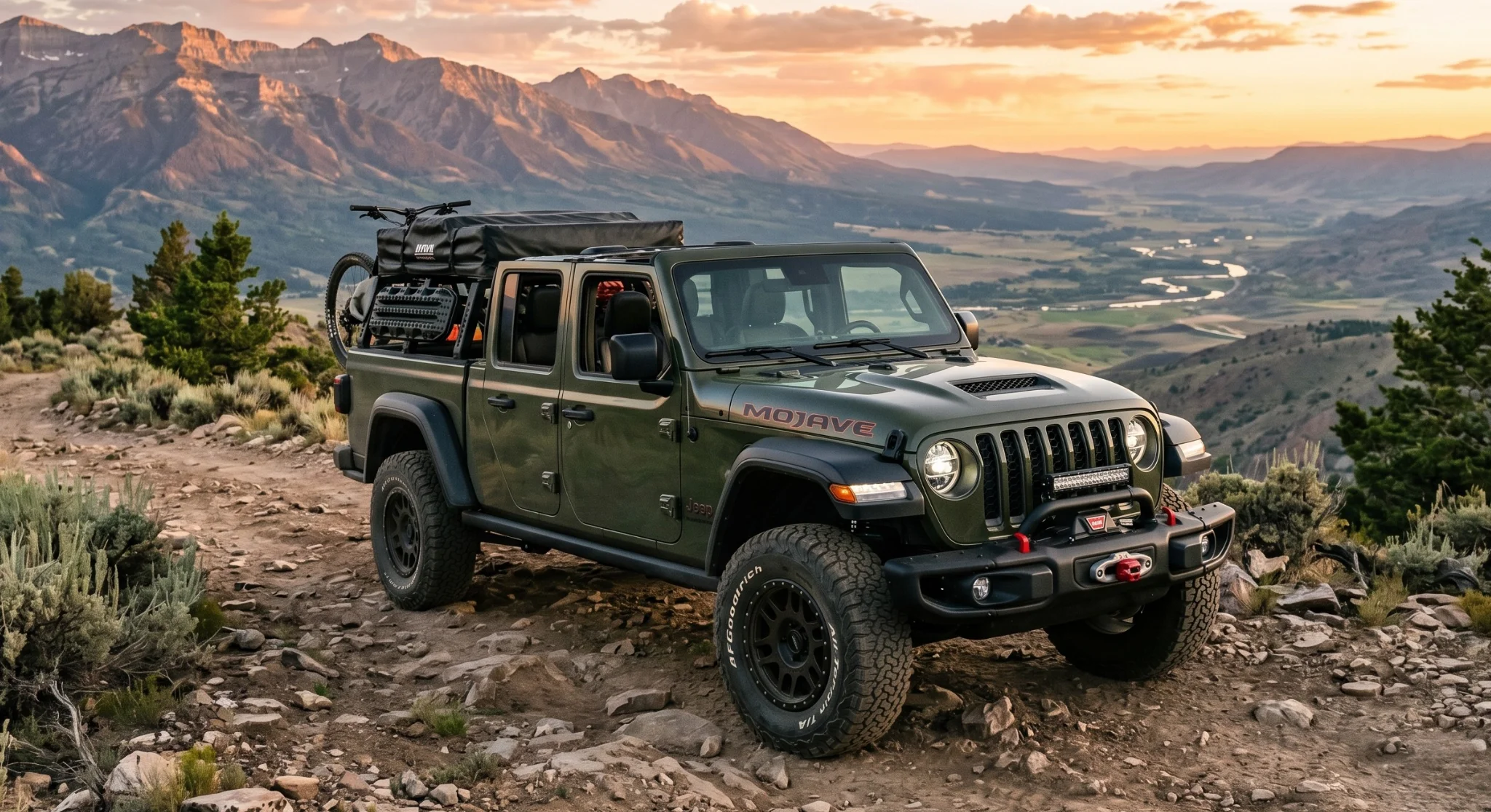
Jeep has been a popular vehicle choice for adventurers, families, and off-road fans for decades. Many people are curious about its engine changes, especially those looking to buy used Jeeps or understand the brand’s evolution.
If you want to know what year Jeep changed engine, you’re in the right place. This article will walk you through the key engine changes in Jeep’s history, the reasons behind them, and how they impacted performance and reliability.
You’ll also find tables comparing major engine shifts, plus answers to common questions.
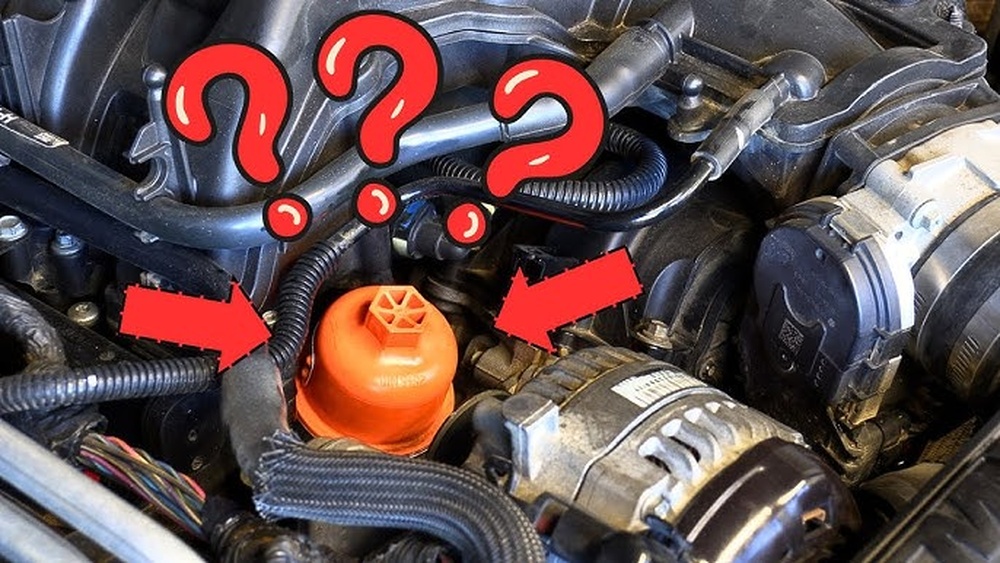
Jeep Engine Changes Through The Years
Jeep has changed its engines several times since it first began manufacturing vehicles. Each change was driven by new technology, government rules, or customer needs.
Let’s look at the most important years when Jeep made engine changes.
The Early Days: 1940s–1970s
In the 1940s, Jeep started with the Go-Devil engine (a 2.2L four-cylinder). This engine powered the original Willys MB, which became famous during World War II. By the 1970s, Jeep moved to bigger engines like the AMC straight-six and V8. This change offered more power and was needed as Jeeps became larger and more comfortable.
1987: Introduction Of The 4.0l Inline-six
The 1987 Jeep Cherokee (XJ) marked a big turning point. Jeep launched the 4.0L AMC inline-six engine, which became one of the most loved Jeep engines for its durability and performance. This engine was used in many models until 2006.
2007: Shift To Chrysler Power
In 2007, Jeep replaced the classic 4.0L inline-six with a new 3.8L V6 in the Wrangler (JK). This was a major change, as the new engine had different power and fuel economy. Many Jeep fans noticed the difference, and some preferred the old inline-six.
2012: Pentastar V6 Arrives
Another big change happened in 2012. Jeep introduced the 3.6L Pentastar V6 for the Wrangler and Grand Cherokee. This engine brought better horsepower, smoother driving, and improved reliability. It also met stricter emissions standards.
2020: Turbo, Diesel, And Hybrid Options
In 2020, Jeep expanded its engine lineup with new options:
- 2.0L Turbo-four
- 3.0L EcoDiesel V6
- 4xe Plug-in Hybrid
These engines focused on better fuel economy and lower emissions, meeting the needs of modern drivers.
Comparing Major Jeep Engine Changes
To see how Jeep’s engines have evolved, here’s a comparison between key models and their engines:
| Year | Model | Engine | Horsepower | Fuel Economy (mpg) |
|---|---|---|---|---|
| 1987 | Cherokee XJ | 4.0L Inline-Six | 177 | 16 city / 22 hwy |
| 2007 | Wrangler JK | 3.8L V6 | 202 | 15 city / 19 hwy |
| 2012 | Wrangler JK | 3.6L Pentastar V6 | 285 | 17 city / 21 hwy |
| 2020 | Wrangler JL | 2.0L Turbo-four | 270 | 21 city / 24 hwy |

Why Did Jeep Change Its Engines?
Jeep’s engine changes were not random. Here are the main reasons:
- Government Regulations: New rules required lower emissions and better fuel economy. Jeep had to update its engines to meet these standards.
- Customer Demand: Drivers wanted more power, smoother rides, and better reliability.
- Competition: Other brands launched more modern engines, so Jeep had to keep up.
- Technology Advances: New engine designs allowed for improved performance and efficiency.
A common mistake is thinking engine changes only happen for performance. Sometimes, changes are made to meet legal rules, not to boost power.
Which Engine Change Was Most Important?
Many experts agree the 1987 launch of the 4.0L inline-six was the most important engine change for Jeep. This engine gave Jeep a reputation for reliability and power, helping models like the Cherokee and Wrangler become favorites.
However, the 2012 Pentastar V6 is also significant. It modernized the Jeep lineup, improved fuel economy, and made driving smoother.

How Engine Changes Impacted Jeep Owners
Engine changes affected owners in several ways:
- Resale Value: Some engines (like the 4.0L inline-six) are more wanted in the used market.
- Maintenance: Newer engines often require different tools and skills to repair.
- Performance: Changes in horsepower and torque impact towing, off-road ability, and daily driving.
Here’s a quick comparison of maintenance and reliability between popular Jeep engines:
| Engine | Maintenance Cost (yearly) | Common Issues | Reliability (1-5) |
|---|---|---|---|
| 4.0L Inline-Six | $450 | Minor oil leaks | 5 |
| 3.8L V6 | $500 | Head gasket, oil consumption | 3 |
| 3.6L Pentastar V6 | $550 | Ticking sound, sensor issues | 4 |
| 2.0L Turbo-four | $600 | Turbo lag, coolant leaks | 4 |
Choosing The Right Jeep Engine
If you’re shopping for a used Jeep or looking to upgrade, consider these tips:
- Check the engine year: Some years have well-known issues.
- Research maintenance costs: New engines can be more expensive to fix.
- Think about your needs: Off-road drivers may prefer older engines for reliability.
- Look for recalls: Some engine years had recalls that affect safety.
A non-obvious insight: Many buyers focus only on horsepower, but torque and maintenance costs matter just as much, especially for off-road use.