The story of Jeep is filled with adventure, war, and innovation. But one of its biggest changes happened in the 21st century, when a famous Italian car company took control. Many car lovers and history fans often ask: What year did Fiat take over Jeep? The answer is 2014. However, this shift was more than just a date on a calendar—it changed Jeep’s future, its products, and even its global reputation. Understanding this takeover helps explain why Jeeps look and perform the way they do today.
The Road To Fiat’s Takeover
Jeep started as a tough, go-anywhere vehicle for the US Army in World War II. Over the decades, it changed owners many times. Before Fiat stepped in, Jeep was part of Chrysler Group LLC. But Chrysler had money problems, especially during the 2008 global financial crisis. This crisis opened the door for new ownership.
Chrysler’s Financial Struggles
By 2009, Chrysler filed for bankruptcy. The US government helped keep it alive, but the company needed a strong partner.
That’s when Fiat, led by CEO Sergio Marchionne, became interested. Fiat wanted to return to the US market and saw Jeep’s strong brand as a big opportunity.
2014: The Year Fiat Took Over Jeep
The deal was not quick. Fiat first bought a 20% stake in Chrysler in 2009. Over the next few years, Fiat slowly bought more shares. Finally, on January 21, 2014, Fiat completed its purchase of Chrysler, making Jeep officially part of Fiat’s global company, Fiat Chrysler Automobiles (FCA).
Here’s a quick timeline to help make sense of the key events:
| Year | Event |
|---|---|
| 2009 | Fiat buys 20% of Chrysler |
| 2011 | Fiat increases stake to 53.5% |
| 2014 | Fiat completes 100% takeover of Chrysler (including Jeep) |
From this point, Jeep was no longer an American-only brand. It became part of a company with both American and Italian roots.

What Changed For Jeep After The Fiat Takeover?
Fiat’s leadership brought big changes to Jeep’s design, technology, and global sales. Some changes were clear to customers, while others happened behind the scenes.
New Models And Global Expansion
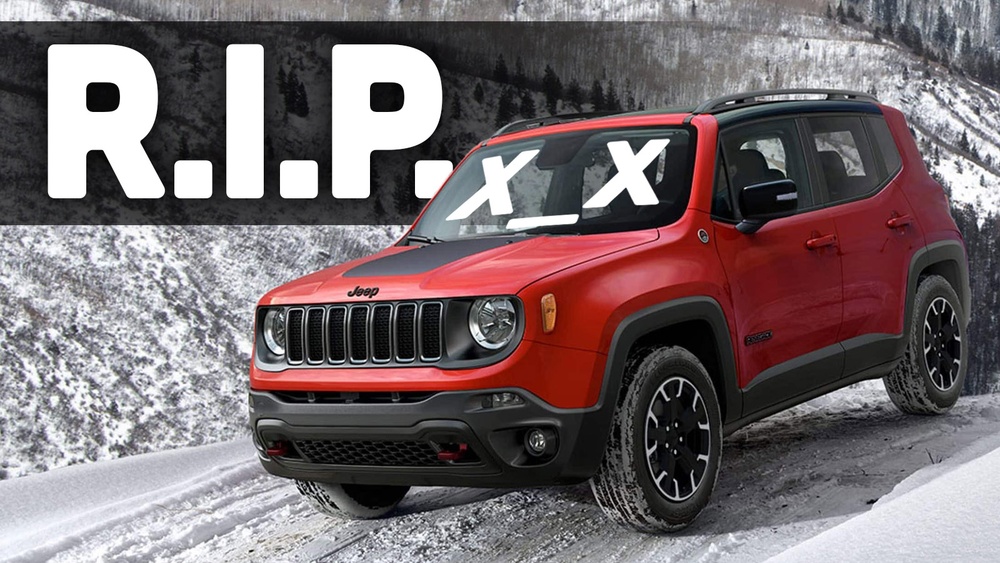
After the takeover, Jeep began launching new models for markets outside the US. The Jeep Renegade is a perfect example. This small SUV was developed with help from Fiat engineers and is built in Italy, Brazil, and China—not just in America. Jeep also updated its classic models, such as the Grand Cherokee and Wrangler.
Here’s how Jeep’s global sales changed before and after the Fiat takeover:
| Year | Jeep Global Sales |
|---|---|
| 2010 | 470,000 vehicles |
| 2014 | 1,017,000 vehicles |
| 2018 | 1,560,000 vehicles |
Sales more than doubled in just four years. This global growth is one of the biggest impacts of Fiat’s ownership.
Technology And Quality Improvements
Fiat also invested in better fuel efficiency, modern infotainment systems, and safety features for Jeep vehicles. For example, many newer Jeeps use turbocharged engines and hybrid technology. These upgrades were needed to meet strict rules in Europe and Asia.
Comparing Pre- And Post-fiat Jeep
To see the impact of Fiat’s takeover, compare Jeep’s lineup and technology before and after 2014:
| Feature | Pre-2014 Jeep | Post-2014 Jeep |
|---|---|---|
| Model Range | Mainly large SUVs | Includes small SUVs and crossovers |
| Manufacturing | Mostly USA | Multiple countries worldwide |
| Technology | Basic infotainment | Advanced touchscreens, hybrid tech |
| Fuel Efficiency | Low to moderate | Improved (hybrid and turbo engines) |
Two Insights Many Beginners Miss
- Fiat did not just buy Jeep directly. The takeover happened through the purchase of Chrysler, Jeep’s parent company. This made the process more complex and slower than many people think.
- The Fiat takeover made Jeep a global brand. Before 2014, Jeep was mainly popular in the US. Now, it is one of the fastest-growing SUV brands worldwide. This is rare for an American car brand.
Why Did Fiat Want Jeep?
Many wonder why a small-car maker like Fiat wanted a rugged SUV brand. The reasons were clear:
- Jeep was profitable. Even when Chrysler struggled, Jeep sold well.
- Jeep had a strong image. The brand was famous for toughness and adventure.
- Global appeal. SUVs were becoming more popular everywhere, and Jeep had a unique style.
Fiat also used Jeep’s success to help the rest of its business. For example, profits from Jeep helped Fiat invest in new models for Alfa Romeo and Maserati.
Lasting Impact On The Auto Industry
Fiat’s move inspired other mergers, such as the later creation of Stellantis in 2021, which joined FCA and Peugeot (PSA Group). This shows how Jeep’s value helped shape the modern car industry.
If you want to dig deeper into the business side of this takeover, you can find more details on the official Fiat Chrysler Automobiles Wikipedia page.
Frequently Asked Questions
When Did Fiat Take Full Control Of Jeep?
Fiat took full control of Jeep on January 21, 2014, when it completed the purchase of all Chrysler shares. From that day, Jeep became part of Fiat Chrysler Automobiles (FCA).
Did Fiat Change Jeep’s Design After The Takeover?
Yes, Fiat influenced Jeep’s design, especially with new models like the Renegade. They focused on smaller SUVs, modern technology, and better fuel efficiency.
Is Jeep Still Considered An American Brand?
Jeep’s roots are American, but it is now a global brand with production and sales in many countries. Most design work still happens in the US, keeping its American spirit.
Did Jeep Become More Popular After Fiat’s Takeover?
Absolutely. Global sales of Jeep more than doubled between 2010 and 2018, thanks to new models and expansion into new markets.
Who Owns Jeep Today?
Jeep is now owned by Stellantis, a company formed in 2021 from the merger of Fiat Chrysler Automobiles and the PSA Group (Peugeot, Citroën).
The Fiat takeover of Jeep in 2014 was a turning point. It brought new life, global reach, and modern technology to a classic American icon.
Today’s Jeep vehicles are a blend of American toughness and European innovation proof that a good partnership can drive success worldwide.