The story of Chrysler buying Jeep is a key moment in the history of American car manufacturing. Many people know Jeep as a tough, reliable brand, but its journey to joining Chrysler is complex and interesting.
Understanding when this happened helps explain Jeep’s growth and why it’s so popular today. The story also shows how business decisions can change the future of a car brand and even the whole industry.
Jeep’s path from a military vehicle to a global icon is not simple, and Chrysler’s role was a turning point that set up decades of success.
The Key Year: Chrysler Buys Jeep In 1987
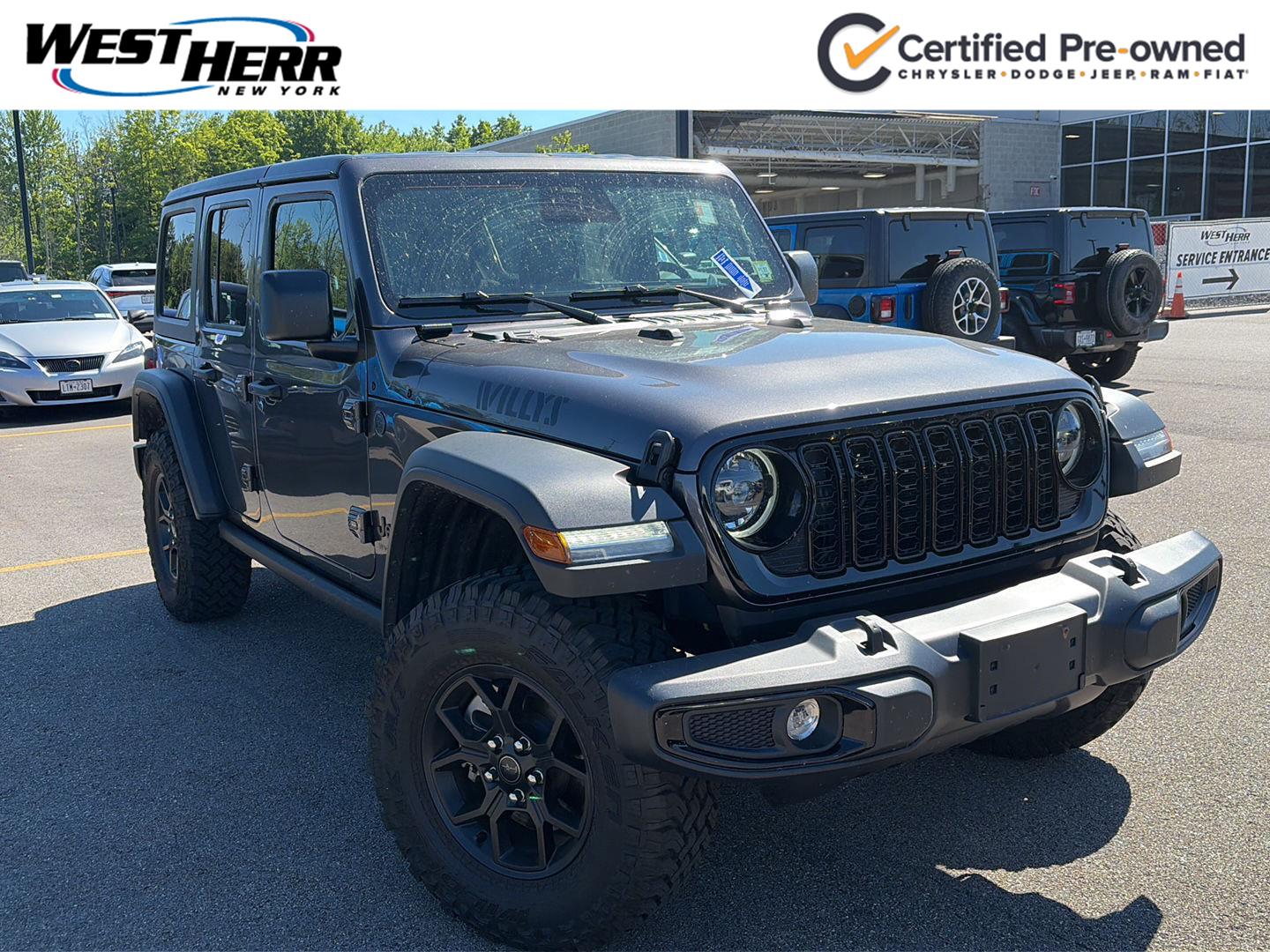
The exact year Chrysler bought Jeep was 1987. This was not just a simple purchase. Chrysler acquired Jeep by buying the American Motors Corporation (AMC), which owned Jeep at the time. The deal was valued at $1.5 billion. After the acquisition, Chrysler became the owner of all AMC’s assets, including Jeep.
This was a bold move for Chrysler. At the time, the auto industry was changing fast, and competition was tough.
Chrysler had to take a risk to stay in the game. By taking over AMC, Chrysler also inherited AMC’s workers, technology, and production plants.
In fact, the Jeep plant in Toledo, Ohio, continued to be a key factory for Jeep vehicles for many years. The decision to buy AMC was debated, but Jeep’s strong reputation convinced Chrysler’s leaders it was the right choice.
| Year | Event | Details |
|---|---|---|
| 1987 | Chrysler buys Jeep | Chrysler acquires AMC for $1.5 billion |
| 1970 | AMC owns Jeep | AMC buys Jeep from Kaiser Motors |
| 1941 | Jeep brand created | First used in World War II |
Why Did Chrysler Want Jeep?
Chrysler was struggling in the 1980s. The company needed something special to boost its sales and reputation. Jeep was already famous for its off-road vehicles and had a loyal customer base. By buying Jeep, Chrysler hoped to:
- Expand its product lineup with unique SUVs.
- Tap into Jeep’s strong brand image.
- Gain access to Jeep’s engineering and technology.
This move gave Chrysler a fresh start and helped them compete with other US car makers like Ford and General Motors.
Chrysler was especially interested in the SUV market. In the late 1980s, SUVs were becoming more popular with families and outdoor lovers.
Jeep was ahead of the trend, and its vehicles stood out for their mix of comfort and off-road ability.
Chrysler did not have a serious competitor in this segment, so acquiring Jeep was a smart shortcut. This decision also helped Chrysler reach younger buyers and people looking for adventure, not just basic transportation.
Another reason for the purchase was Jeep’s reputation for reliability. Jeep drivers were often repeat customers, coming back again and again for their next vehicle.
Chrysler wanted to use this loyalty to boost its overall sales and strengthen its position in the car industry.
The deal was not only about new models, but also about getting a brand that had fans across the world.
Jeep’s Journey Before Chrysler
Jeep’s history stretches back to World War II. The brand was first produced for the US military and became well-known for its durability. After the war, Jeep went through several owners:
- Willys-Overland: Started civilian production.
- Kaiser Motors: Bought Jeep in 1953.
- American Motors Corporation (AMC): Acquired Jeep in 1970.
Each owner contributed to Jeep’s growth. AMC made Jeep popular with the Cherokee and Wagoneer models in the 1970s and 80s.
Willys-Overland transformed the Jeep from a military workhorse to a vehicle people could buy for farm use, work, or fun. Kaiser Motors introduced improvements and tried to expand Jeep’s reach in the 1950s and 60s.
When AMC took over in 1970, they put money into new designs and more comfortable SUVs.
The Cherokee, launched in 1974, was one of the first vehicles to combine off-road skills with family-friendly features. The Wagoneer even offered luxury options, which was rare for SUVs at the time.
These changes set the stage for Jeep’s later success and made it an attractive target for Chrysler.
Impact Of Chrysler’s Acquisition
When Chrysler took over Jeep, many changes happened:
- Jeep’s production increased, especially for the Grand Cherokee.
- Chrysler invested in new technology and design.
- Jeep models became more reliable and stylish.
Jeep’s sales quickly grew. By 1992, the Grand Cherokee launch became a major success.
Chrysler’s resources allowed Jeep to improve quality and reach more customers worldwide.
Chrysler brought better manufacturing processes and more funding for research. This meant Jeeps became not only tougher, but also more comfortable and fuel-efficient.
New features like anti-lock brakes and improved safety systems started to appear in Jeep vehicles, making them a better choice for families as well as off-road fans.
One example was the 1993 Grand Cherokee’s famous introduction. It drove straight through a glass wall at Detroit’s auto show, showing its power and style.
This bold marketing helped Jeep’s image as both rugged and modern. Chrysler also kept the Wrangler and Cherokee models fresh, updating their looks and making sure they kept up with changing customer tastes.
| Model | Year Launched | Impact |
|---|---|---|
| Cherokee | 1984 | Popularized compact SUVs |
| Grand Cherokee | 1992 | Luxury SUV segment leader |
| Wrangler | 1987 | Modernized the classic Jeep |

Financial And Market Growth
Chrysler’s decision to buy Jeep paid off quickly. In the first five years after the deal, Jeep’s sales grew by over 80%. Chrysler reported profits from Jeep vehicles, helping the company recover from earlier financial troubles.
By the late 1990s, Jeep became one of Chrysler’s most valuable brands. Jeep’s global reputation also improved, making it a strong competitor outside the United States.
Jeep models started selling well in new markets, such as Europe, the Middle East, and Asia. The Grand Cherokee and Cherokee found fans in many countries, not just in America.
Chrysler’s global dealer network made this possible, and Jeep’s image as a symbol of adventure appealed to many cultures.
This international success made Jeep a truly global brand.
Another detail is that Jeep’s strong resale value helped Chrysler’s bottom line. People trusted the brand, so used Jeep vehicles kept their value better than most competitors.
This made leasing and financing easier and brought more customers into Chrysler dealerships.
Jeep became a main reason for Chrysler’s recovery and later growth.
Non-obvious Insights
- AMC’s Renault Connection: Before Chrysler bought AMC, Renault (the French carmaker) owned a big share of AMC. This gave Jeep access to some European technology, which improved its designs. Many people overlook Renault’s role in Jeep’s evolution.
For example, some features in the Jeep XJ Cherokee were influenced by Renault’s engineering, such as fuel-saving engines and better ride comfort. These changes made Jeep vehicles more appealing in international markets, where efficiency mattered more than in the US.
- Jeep’s Unique Value: Chrysler bought AMC mainly for Jeep, not for the other AMC models. The rest of AMC’s lineup was quickly discontinued. Chrysler focused only on Jeep, which shows how important the brand was in the deal.
This was a rare case where one brand was seen as more valuable than a whole car company. Chrysler understood that Jeep’s strong image and loyal customers were much more important than AMC’s other cars.
This focus on Jeep was a big reason for the brand’s later success.
What Happened Next?
After Chrysler bought Jeep, the company went through more changes. In 1998, Chrysler merged with Daimler-Benz to form DaimlerChrysler. Later, Chrysler was sold to Fiat, creating Fiat Chrysler Automobiles (FCA). Today, Jeep is part of Stellantis, a global auto group.
Each ownership change brought new ideas and investments. Daimler-Benz tried to bring German engineering to Jeep, although the partnership had mixed results.
Under Fiat, Jeep expanded its lineup with smaller SUVs like the Renegade, which helped the brand grow in Europe and other regions.
Stellantis is now focusing on electric Jeeps and new technology for the future.
| Owner | Years | Key Changes |
|---|---|---|
| Chrysler | 1987–1998 | Expanded Jeep lineup |
| DaimlerChrysler | 1998–2007 | Global reach, luxury focus |
| Fiat Chrysler Automobiles | 2014–2021 | New models, worldwide expansion |
| Stellantis | 2021–present | Electric Jeeps, future plans |
Long-term Legacy
Chrysler’s 1987 purchase of Jeep changed the US car industry. Jeep became a leader in SUVs and off-road vehicles. The deal also showed how valuable a strong brand can be. Chrysler’s risk paid off, and Jeep remains a household name today.
The Jeep story is also a lesson for car companies everywhere. A single brand, if managed well, can carry a whole company to new success.
Jeep’s continued popularity with both old and new customers proves that a mix of tradition and smart innovation works.
Today, Jeep is seen as a symbol of freedom and adventure worldwide.
For more detailed history and numbers, see this Jeep Wikipedia page.
Frequently Asked Questions
When Did Chrysler Buy Jeep?
Chrysler bought Jeep in 1987 by acquiring American Motors Corporation (AMC).
Why Did Chrysler Buy Jeep?
Chrysler wanted Jeep’s strong brand, reliable vehicles, and loyal customers to improve its sales and reputation.
What Happened To Amc After Chrysler Bought Jeep?
AMC was absorbed into Chrysler. Most AMC models were discontinued, but Jeep continued to grow.
How Did Jeep Change After Chrysler’s Acquisition?
Jeep’s production increased, new models were launched, and quality improved. The Grand Cherokee became a hit.
Who Owns Jeep Today?
Jeep is now part of Stellantis, which formed in 2021 from the merger of FCA and PSA Group.
n
The story of Chrysler buying Jeep in 1987 is more than a business deal. It shaped Jeep’s future and helped Chrysler survive tough times.
nnnn
Today, Jeep’s global success traces back to this important moment. Jeep’s journey shows how the right decisions at the right time can keep a brand strong for generations.