Swapping wheels on a Jeep is a popular way to give your vehicle a fresh look or improve its performance. But not every wheel fits every Jeep.
Matching the right wheel involves more than just bolt patterns. In this guide, you’ll learn what wheels interchange with Jeep vehicles, the factors to check, and some smart tips many beginners miss.
Key Factors For Jeep Wheel Interchangeability
Swapping wheels isn’t as simple as picking the same size. Here’s what you must consider:
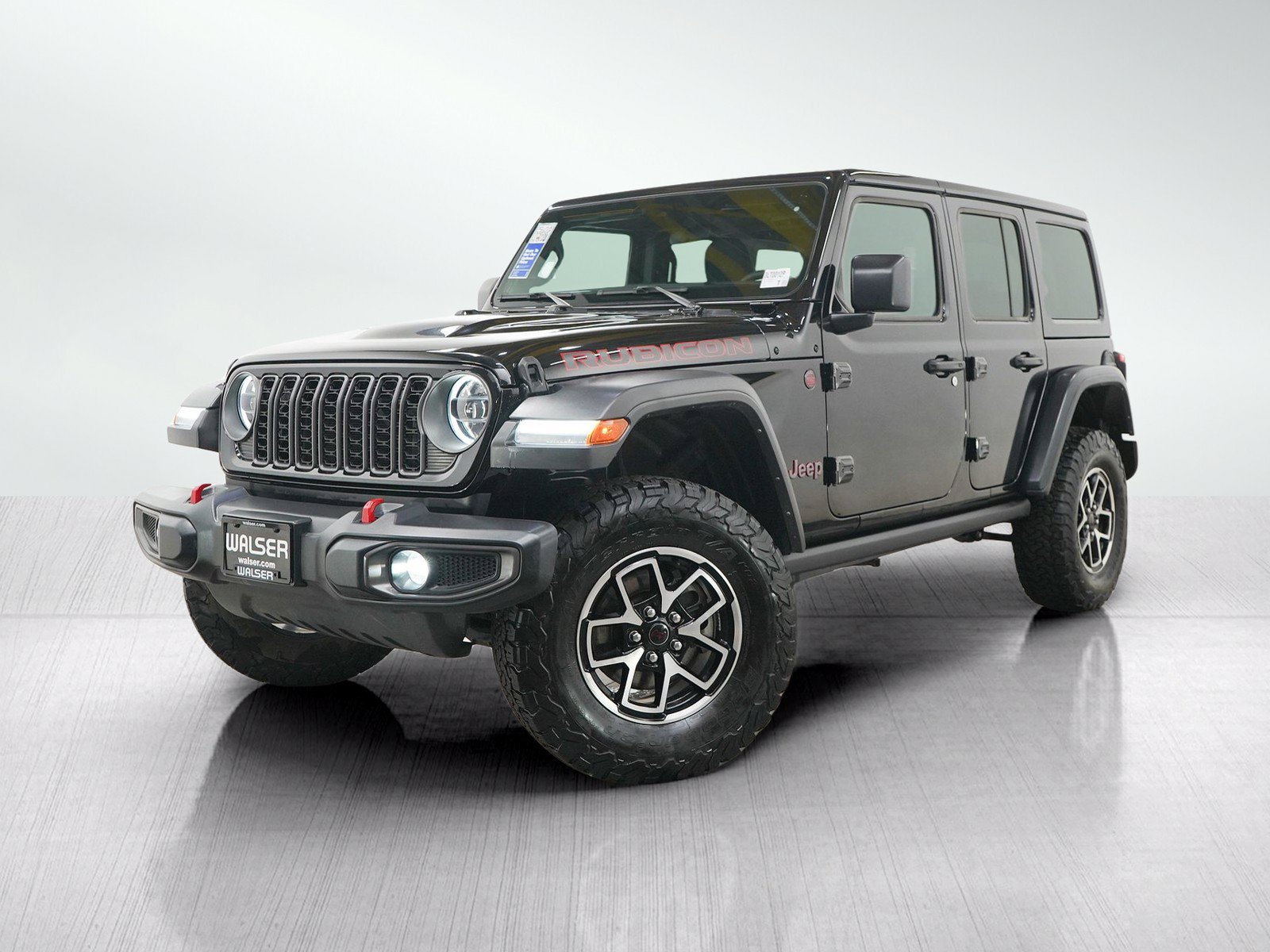
Bolt Pattern
The bolt pattern is the number and arrangement of the lug holes. Most Jeep models use a 5×4.5 or 5×5 pattern, but some older or specialty Jeeps use different setups. For example:
- Jeep Wrangler TJ (1997–2006): 5×4.5
- Jeep Wrangler JK (2007–2018): 5×5
- Jeep Grand Cherokee (1999–2010): 5×5
Center Bore
The center bore is the hole in the middle of the wheel that fits over the hub. Jeep wheels usually have a 71.5mm or 78.1mm bore. If the wheel’s bore is too small, it won’t fit. If it’s too large, you may need hub-centric rings to prevent vibration.
Offset And Backspacing
Offset is the distance from the mounting surface to the wheel’s centerline. Backspacing is how far the wheel sticks back toward the suspension. Jeep wheels often have low offset (or high backspacing) to clear large tires and suspension parts.
- Too much positive offset: Wheel sits too far inside.
- Too much negative offset: Wheel sticks out, may rub fenders.
Lug Nut Type
Jeeps usually use conical seat lug nuts. If you swap wheels with a different seat type (like ball seat), the nuts may not hold the wheel safely.
Jeep Models And Compatible Wheels
Some wheels from other vehicles fit Jeeps, but you need to match the specs exactly. Here’s a quick look at common Jeep models and what wheels often interchange.
| Jeep Model | Bolt Pattern | Common Interchange |
|---|---|---|
| Wrangler YJ/TJ | 5×4.5 | Ford Ranger, older Mustangs, Cherokee XJ |
| Wrangler JK/JL | 5×5 | Dodge Ram 1500, Grand Cherokee WK2 |
| Cherokee XJ | 5×4.5 | Ford Explorer, Crown Victoria, Wrangler TJ |
| Grand Cherokee WJ/WK | 5×5 | Wrangler JK, some Dodge SUVs |
Popular Interchange Examples
- Wrangler TJ/YJ: Wheels from a Ford Ranger (with 5×4.5) often fit but always check center bore and offset.
- Wrangler JK: Some Dodge Ram 1500 wheels fit, but newer Rams use a different center bore.
- Cherokee XJ: Older Ford Explorer wheels are commonly swapped, but offset may differ.
Risks And Common Mistakes
Many Jeep owners make these mistakes when swapping wheels:
- Ignoring offset: Choosing a wheel with the wrong offset can cause tires to rub suspension or fenders.
- Wrong lug nuts: Using the wrong shape or thread size can lead to loose wheels.
- Assuming all 5-lug patterns are equal: A 5×114.3mm (Ford, Toyota) is slightly different than 5×4.5” (Jeep), and may not seat correctly.
- Missing center bore fitment: Too-small bore means the wheel can’t be installed; too-large can cause vibration.
Measuring To Be Sure
If you’re unsure, measure your Jeep’s wheel specs:
- Count the lug holes and measure the distance between them.
- Measure the center bore with a caliper.
- Check the wheel’s width and diameter.
- Find the offset, usually stamped on the back of the wheel.
You can also check your owner’s manual or look up factory specs on trusted resources like the official Jeep website.
Real-world Examples
Let’s look at specific swaps:
| Wheel Donor | Fits on Jeep | Modifications Needed |
|---|---|---|
| Ford Crown Victoria 5×4.5 | Wrangler YJ/TJ, Cherokee XJ | Check offset, center bore (may need ring) |
| Dodge Ram 1500 (early 2000s) | Wrangler JK, Grand Cherokee WK | Check bore, use Jeep lug nuts |
| Jeep Grand Cherokee WK2 | Wrangler JL | Usually direct fit |
Aftermarket Wheels: What To Watch For
Aftermarket wheels are popular for Jeep mods. Here’s what matters:
- Quality: Cheap wheels can crack under off-road use.
- Hub-centric vs lug-centric: Hub-centric wheels center perfectly on the hub. Lug-centric wheels rely on the lugs, which can cause vibration if not installed carefully.
- Legal issues: In some states, wheels that stick out past the fenders are illegal.
Also, remember that larger wheels often require bigger tires, which can affect speedometer readings and gas mileage.
Pro Tips For A Successful Jeep Wheel Swap
- Test-fit before buying: Always try one wheel before committing to a full set.
- Check tire size compatibility: Not every wheel works with every tire size.
- Consider wheel weight: Heavier wheels reduce fuel economy and may stress suspension parts.
- Save your old wheels: You may need them for inspection or resale.
Many Jeep owners overlook the importance of hub-centric rings when using wheels with a larger center bore. These small rings can prevent vibration and improve safety, especially at highway speeds.
Frequently Asked Questions
What Is The Most Common Bolt Pattern For Jeep Wheels?
Most modern Jeep Wranglers use a 5×5 bolt pattern. Older Jeeps like the TJ and XJ use 5×4.5. Always check your specific model before buying wheels.
Can I Use Ford Or Dodge Wheels On My Jeep?
Sometimes, yes. Many Ford and Dodge wheels share bolt patterns with Jeeps, but you must check offset, center bore, and lug nut type for a safe fit.
Will Larger Wheels Fit My Jeep Without A Lift?
Larger wheels may fit, but you could have tire rubbing issues, especially when turning or off-roading. A small lift or fender trimming may be needed for big upgrades.
Do I Need To Change Lug Nuts When Swapping Wheels?
If your new wheels use a different seat type (like conical vs ball seat), you must use matching lug nuts. Always check thread size and length for safety.
How Can I Tell If A Wheel Will Fit My Jeep?
Compare bolt pattern, center bore, offset, and lug nut type. You can find this info in your owner’s manual, on Jeep forums, or by measuring your original wheels.
Swapping wheels can give your Jeep a fresh look and better performance, but checking the details is essential. Use the steps above and always double-check measurements before buying.
This way, you’ll enjoy a safer, more stylish ride with no surprises on the trail.