If your Jeep Cherokee struggles to start or shows dashboard warnings, battery voltage could be the cause. Many drivers wonder, “What voltage should Jeep Cherokee battery be?
” Understanding this can save you trouble, avoid breakdowns, and keep your vehicle running reliably.
Let’s explore the ideal battery voltage, how to measure it, and what to do if your readings are off.
Ideal Jeep Cherokee Battery Voltage
A healthy battery is the heart of your Jeep Cherokee’s electrical system. Most Cherokees use a 12-volt lead-acid battery. But the actual voltage you see depends on the battery’s state.
- Fully Charged (Engine Off): A good battery should read 12.6–12.8 volts after resting for several hours. If you check right after driving, the voltage might look a little higher due to surface charge, but this fades after the battery rests.
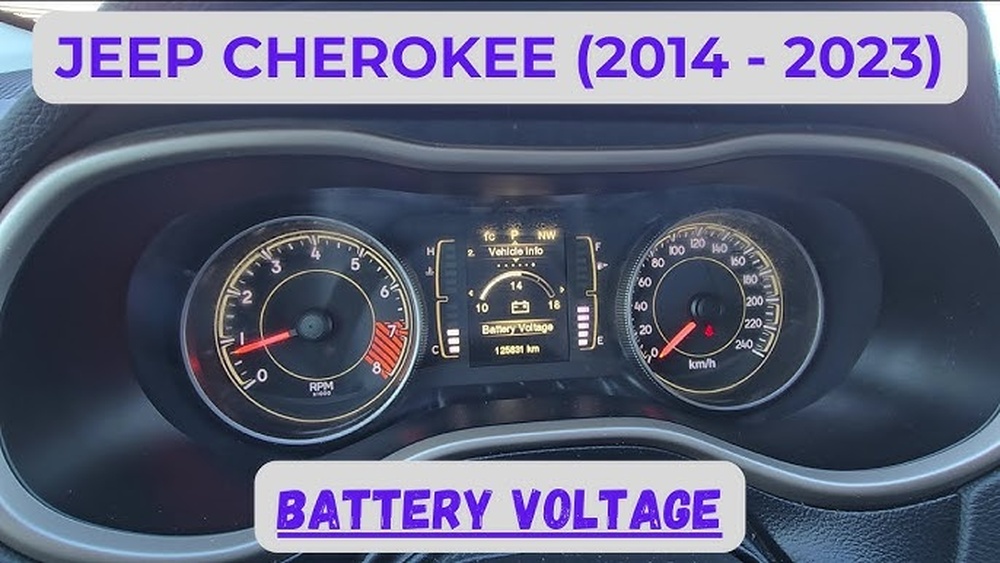
- Engine Running: Voltage should rise to 13.7–14.7 volts. This shows the alternator is working and charging the battery. If the voltage does not increase when the engine is on, it usually points to an alternator problem, not just the battery.
- Engine Off (After Use): If you measure immediately after turning off the car, expect 12.4–12.7 volts. This is because using headlights, air conditioning, or other features can drop voltage slightly until the battery rests and stabilizes.
Here’s a quick comparison:
| Battery State | Expected Voltage |
|---|---|
| Fully Charged (Rested) | 12.6–12.8 V |
| Engine Running | 13.7–14.7 V |
| Low/Discharged | <12.4 V |
| Dead Battery | <11.9 V |
Non-obvious tip: Many beginners don’t realize that batteries can show normal voltage right after charging but still be weak if they can’t hold the charge overnight. This is called “surface charge.” If you suspect your battery, test it after leaving the car off for a few hours, or turn on the headlights for 1–2 minutes, then measure.
Measuring Your Jeep Cherokee Battery Voltage
Checking battery voltage is easy and only takes a few minutes. You need a digital multimeter.
Steps:
- Turn off the engine and all electronics. Wait at least 15 minutes if you just drove—this gives a more accurate reading.
- Set the multimeter to DC volts (20V range).
- Connect red lead to battery positive (+), black to negative (–). Make sure the connections are clean and firm, not loose or corroded.
- Wait a few seconds for a stable reading.
If you want to check charging, measure again with the engine running. The voltage should jump above 13.
7 volts. If not, your alternator may need attention.
A healthy alternator is just as important as the battery—without it, the battery can’t recharge while you drive.
| Measurement Situation | Normal Voltage | Action Needed |
|---|---|---|
| Engine Off | 12.6–12.8 V | No action |
| Engine Running | 13.7–14.7 V | No action |
| Engine Running, <13.7 V | Low | Check alternator |
| Engine Off, <12.4 V | Low | Charge/replace battery |
Experience-based tip: Some Jeep Cherokee models have additional electronics that drain the battery faster. If you park for several days, check voltage before starting. Remote start systems, alarm sensors, and infotainment settings can all use small amounts of power even when the car is off. Over a week or more, this can drain a battery that’s already old or weak.
Signs Of Low Battery Voltage
Low voltage can cause many problems. Watch for these:
- Engine cranks slowly or won’t start, especially after the vehicle sits overnight.
- Dashboard lights flicker or dim, sometimes only when you use another feature like turning on headlights.
- Electrical accessories (radio, windows) malfunction or reset.
- Battery warning light appears, often as a red or yellow symbol.
- Power locks or remote keyless entry stop working.
If you notice these signs, check your battery voltage right away. Sometimes, you might also hear a clicking sound when you try to start—this is another classic sign of low voltage.
Extra insight: Don’t ignore electrical problems just because the car eventually starts. Many people wait until the battery is completely dead, but earlier action can prevent towing and save money.
Why Voltage Matters More Than You Think
Most drivers focus only on whether their Jeep starts. But low voltage affects more than starting power. It can damage the alternator, cause computer errors, and reduce fuel efficiency. In modern Cherokees, even small drops in voltage can trigger trouble codes.
Here’s how voltage affects different systems:
| Voltage Range | Effect on Vehicle |
|---|---|
| 12.6–12.8 V | Optimal performance, reliable starts |
| 12.4–12.6 V | Reduced performance, slower starts |
| <12.4 V | Possible no-start, electrical issues |
| <11.9 V | Dead battery, vehicle won’t start |
Non-obvious insight: Batteries can lose voltage from extreme heat or cold. If you live in harsh climates, check your battery more often. For example, very cold weather slows chemical reactions inside the battery, making it much weaker. In hot climates, water inside the battery evaporates faster, shortening battery life.
Another detail: Low voltage can confuse the car’s computer. You might see random warning lights, false sensor alerts, or even lose saved radio stations. These issues often disappear after a new battery is installed.

How To Fix And Prevent Low Voltage
If your Jeep Cherokee’s battery voltage is low, try these steps:
- Recharge the battery with a quality charger. Slow charging is better than a quick boost, as it gives a deeper, fuller charge.
- Clean the terminals — corrosion can cause voltage drops. Dirty or loose connections act like a barrier, blocking power flow.
- Check for parasitic drain — electronics left on can drain the battery. Sometimes, a glovebox light or trunk light stays on when it shouldn’t, slowly draining power.
- Test the alternator — it must provide 13.7–14.7 volts when running. Many auto parts stores will test your alternator for free.
- Replace the battery if it won’t hold a charge. Most car batteries last 3–5 years; if yours is older, replacement is often best.
To prevent problems:
- Drive at least 30 minutes weekly to keep the battery charged. Short trips don’t give the alternator enough time to recharge what you used starting the engine.
- Turn off lights and accessories before leaving your vehicle. Even leaving a phone charger plugged in can drain power slowly.
- Avoid short trips that don’t let the alternator recharge the battery.
A little prevention goes a long way. If you store your Jeep for a month or more, use a “battery maintainer” to keep voltage perfect.
For more battery care tips, visit the Consumer Reports Car Battery Guide.
Frequently Asked Questions
What Is The Minimum Voltage For A Jeep Cherokee Battery?
The minimum safe voltage is 12.4 volts. Anything lower means your battery is weak or discharged. If you see less than 12 volts, start troubleshooting right away.
How Often Should I Check My Jeep Cherokee Battery Voltage?
Check every 3–6 months, or more often if you notice slow starts or electrical issues. Before long trips, always check the voltage. If you use your Jeep for camping or leave accessories plugged in, monthly checks are smart.
Can Cold Weather Affect Jeep Cherokee Battery Voltage?
Yes. Cold weather can lower battery voltage and make starting harder. In winter, check voltage more often and keep the battery fully charged. Park in a garage or use a battery blanket in very cold climates for extra protection.
What Happens If My Jeep Cherokee Battery Is Overcharged?
Overcharging raises voltage above 14.7 volts, which can damage the battery. If you see high voltage, have your alternator checked. Overcharging can also cause your battery to swell, leak, or even fail completely.
Is 12 Volts Enough For My Jeep Cherokee Battery?
12 volts is the nominal value, but a fully charged battery should show 12.6–12.8 volts. If you see only 12 volts, your battery is not fully charged. It may still start the vehicle, but you’re at risk of problems, especially in cold weather or after short trips.
A Jeep Cherokee needs a healthy battery with the right voltage for reliable performance. Checking voltage regularly, especially before problems start, keeps your vehicle safe and efficient.
With these practical steps, you can avoid surprises and enjoy your Jeep with confidence.