What Type Of Vehicle Is A Jeep Considered
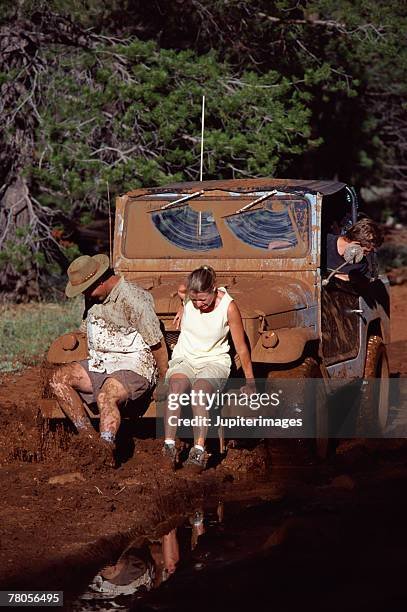
When you hear the word Jeep, what comes to mind? For many, it’s a rugged, boxy vehicle climbing steep hills or splashing through muddy trails.
But what type of vehicle is a Jeep, really? The answer is not as simple as “a car” or “a truck.”
Jeep is a brand, but it also represents a style and purpose that goes beyond most vehicles on the road. Understanding the category a Jeep falls into can help you choose the right vehicle for your needs, especially if you want both adventure and practicality.
The Jeep: More Than Just A Brand
Most people know Jeep as an American automobile brand. The name “Jeep” itself has become almost a generic word for tough, off-road vehicles, but Jeep is actually a registered brand owned by Stellantis (previously Fiat Chrysler Automobiles). The company produces several models, each with its own features and uses.
Jeep vehicles are most famous for their off-road capability. However, not every Jeep is the same. Some are built for rugged mountain trails, while others are more comfortable on highways. Knowing the main types of vehicles Jeep produces can clear up confusion about their classification.
What Type Of Vehicle Is A Jeep?
The main category for a Jeep is SUV (Sport Utility Vehicle), but it can also fit into other subcategories. Here’s a breakdown:
| Jeep Model | Main Vehicle Type | Typical Use |
|---|---|---|
| Wrangler | Mid-size SUV | Off-road & city driving |
| Grand Cherokee | Mid-size SUV | Family & luxury travel |
| Compass | Compact SUV | City & light off-road |
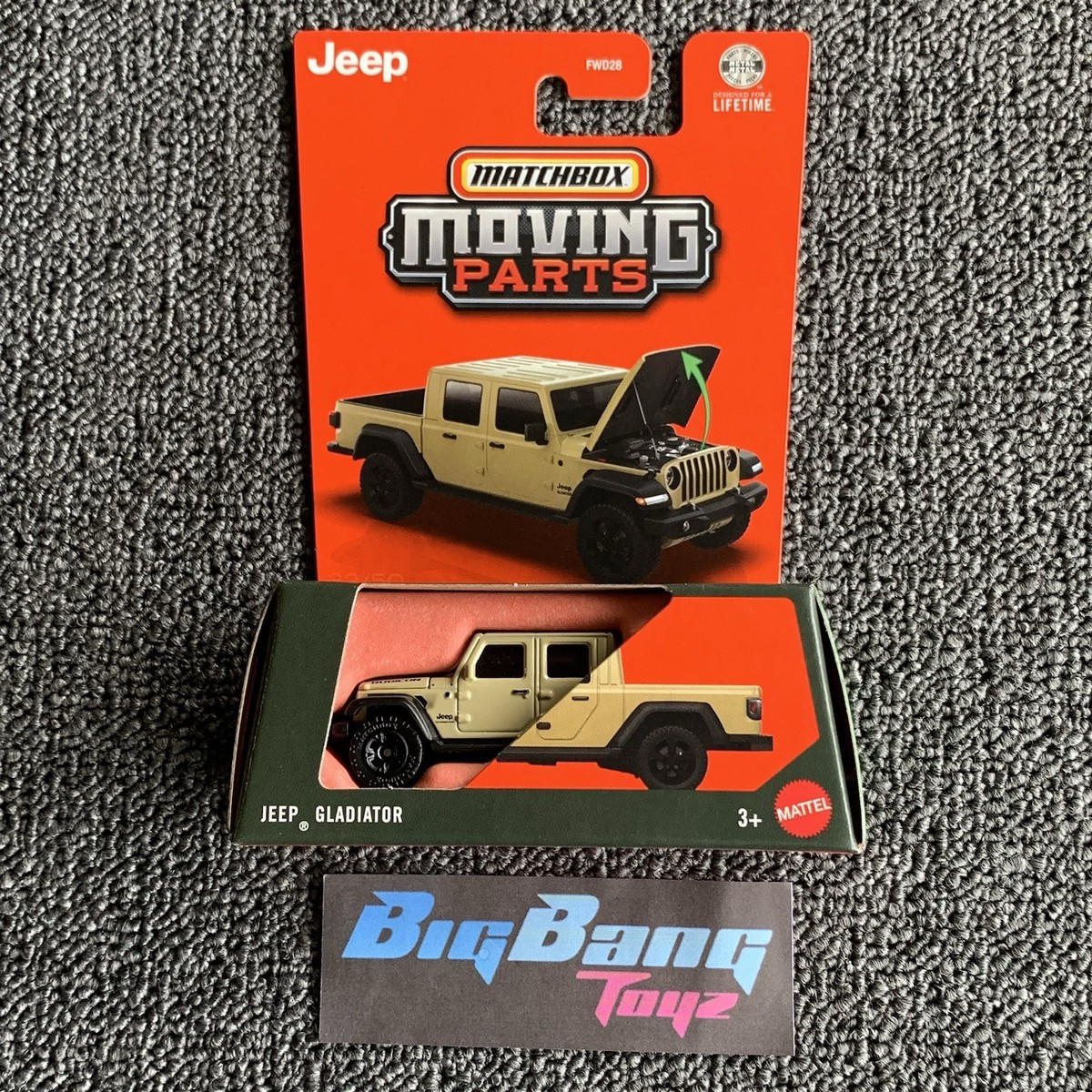
| Gladiator | Mid-size pickup truck | Towing & adventure |
Most Jeep models are SUVs—vehicles designed for both passenger comfort and moderate off-road use. However, some, like the Jeep Gladiator, are classified as pickup trucks due to their open cargo beds and towing ability.
Key Features That Define A Jeep
What makes a Jeep different from other SUVs or trucks? Here are some unique points:
- Four-wheel drive (4WD): Most Jeeps come standard with 4WD, making them strong on rough terrain.
- High ground clearance: Jeeps are built to drive over rocks, mud, and snow without getting stuck.
- Short wheelbase: This design allows for sharp turns and easy handling on trails.
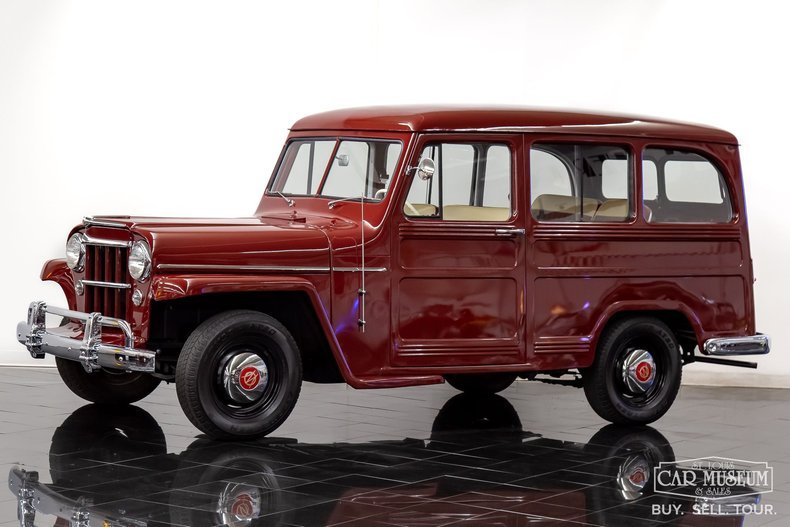
- Boxy shape: The classic look of a Jeep is both stylish and practical, giving the driver a good view of the road.
- Removable doors and tops: Especially on the Wrangler, these features make it ideal for outdoor lovers.
Many of these features are not found on regular SUVs or crossovers, which focus more on comfort and fuel efficiency.
Jeep Vs. Other Vehicle Types
To see where Jeep stands, it helps to compare it with other common vehicle types.
| Vehicle Type | Key Strength | Common Use |
|---|---|---|
| SUV | Passenger space, moderate off-road | Family, city, some adventure |
| Pickup Truck | Towing, hauling | Work, recreation |
| Sedan | Comfort, fuel efficiency | Everyday commuting |
| Jeep | Off-road, versatility | Adventure, daily use |
Jeeps stand out for their ability to handle tough conditions and switch between daily driving and outdoor adventures.
Why Are Jeeps Considered Suvs?
The main reason Jeeps are classified as SUVs is their blend of passenger comfort and off-road ability. SUVs, by definition, are designed for both paved and unpaved roads. Jeeps go a step further by offering features like locking differentials and solid axles, which are rare in most modern SUVs.
However, not all Jeep models are created equal. For example, the Jeep Cherokee and Jeep Compass are more like crossovers, meaning they use a car-based frame for better on-road comfort but less extreme off-road ability. In contrast, the Jeep Wrangler is built with a body-on-frame design, similar to classic trucks, for maximum durability on rough trails.
Common Misconceptions About Jeeps
Many people believe that all Jeeps are hard to drive in cities or that they are only for outdoor use. This is not true. Today’s Jeeps come with modern tech, comfortable interiors, and safety features. Some are even hybrid or plug-in hybrid models, offering better fuel economy.
Another mistake is thinking a Jeep can handle any terrain without skill. While Jeeps are tough, drivers still need to learn off-road basics to avoid getting stuck or damaging the vehicle.

Non-obvious Insights About Jeep Vehicles
- Resale value stays high: Jeeps, especially the Wrangler, keep their value better than most SUVs. Their unique style and off-road reputation make them popular even as used vehicles.
- Insurance costs can be higher: Because Jeeps are often used off-road, some insurance companies charge more to cover potential repairs. It’s smart to compare insurance quotes before buying.
- Aftermarket support is huge: Jeep owners have access to thousands of upgrades, from lift kits to snorkels, making personalization easy and fun.
When Is A Jeep Not An Suv?
The Jeep Gladiator is a good example. It’s technically a mid-size pickup truck because it has a separate cargo bed and is built for towing. However, it shares many parts with the Wrangler, so it still has off-road strength. In short, most Jeeps are SUVs, but a few, like the Gladiator, belong to the pickup truck category.
Choosing The Right Jeep For Your Needs
Picking the right Jeep depends on your lifestyle:
- For serious off-road trips: Jeep Wrangler
- For family comfort with adventure: Grand Cherokee
- For daily city use: Jeep Compass or Renegade
- For towing and hauling: Jeep Gladiator
Before buying, test drive different models to see which one fits best. Also, consider maintenance and fuel costs, as some Jeeps use more fuel than small cars.