The Jeep Grand Cherokee is a trusted SUV for many drivers. One important part of keeping your Jeep running well is using the right coolant. Coolant helps control your engine’s temperature, prevents overheating, and protects against rust. Choosing the correct type can be confusing, especially with so many options and changing recommendations. Let’s make things clear so you can maintain your Grand Cherokee with confidence.
Why Coolant Matters For Your Jeep Grand Cherokee
Coolant, also known as antifreeze, does more than just keep your engine cool. It also:
- Prevents freezing in cold weather.
- Stops overheating in hot weather.
- Protects metal parts from corrosion.
- Lubricates the water pump.
If you use the wrong coolant, you risk engine damage, leaks, or expensive repairs. For Jeep Grand Cherokee owners, picking the right coolant is a smart way to avoid trouble and keep your SUV reliable.

Types Of Coolant Used In Jeep Grand Cherokee
Jeep Grand Cherokee models have different coolant needs based on their year and engine type. The most common coolants are:
- HOAT (Hybrid Organic Acid Technology):
- Used in many Grand Cherokees from 1999 to 2012.
- Usually orange or yellow in color.
- Mix of organic acids and silicates for longer life.
- Lasts about 5 years or 150,000 miles.
- OAT (Organic Acid Technology):
- Used in newer models (2013 onward).
- Typically purple or pink.
- Contains organic acids, no silicates.
- Longer service life: Up to 10 years or 150,000 miles.
- IAT (Inorganic Acid Technology):
- Older Jeeps (pre-1999) may use this.
- Usually green.
- Needs changing every 2 years or 30,000 miles.
| Coolant Type | Color | Service Interval | Common Years |
|---|---|---|---|
| HOAT | Orange/Yellow | 5 years / 150,000 miles | 1999–2012 |
| OAT | Purple/Pink | 10 years / 150,000 miles | 2013–Present |
| IAT | Green | 2 years / 30,000 miles | Pre-1999 |
Important insight: Jeep changed coolant types over the years. Never mix them. Always check your owner’s manual or the radiator cap label before buying.
How To Identify The Correct Coolant For Your Grand Cherokee
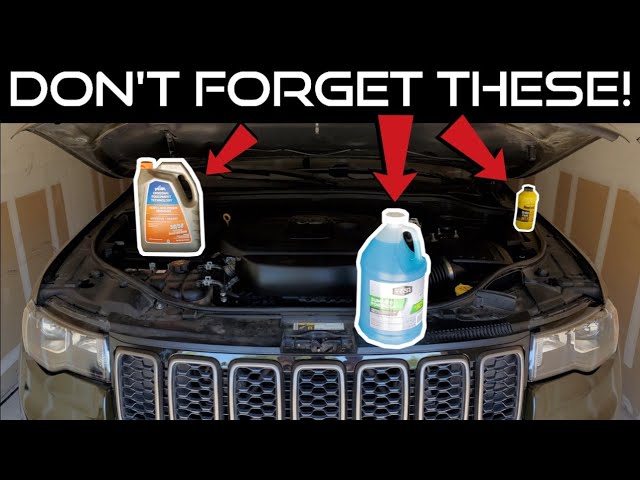
Finding the right coolant is simple if you follow these steps:
- Check your owner’s manual: It will tell you exactly what type and color to use.
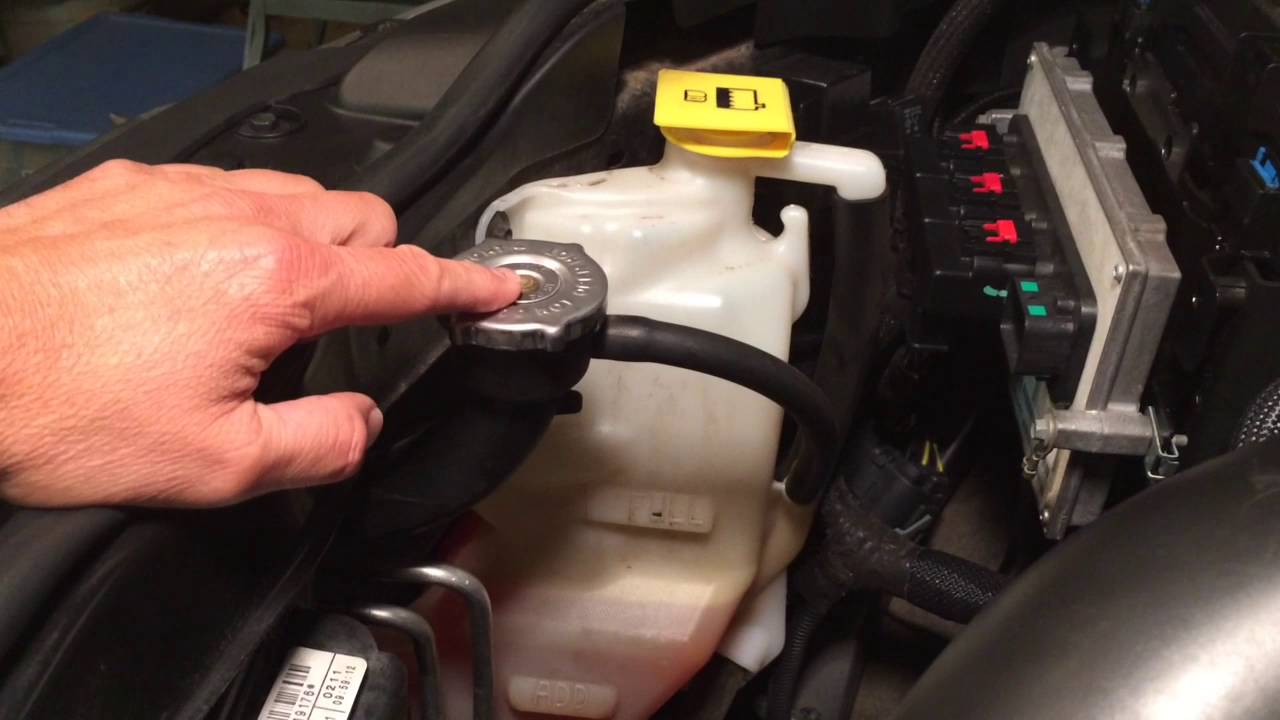
- Look at the radiator cap or coolant reservoir: Many Jeeps have a sticker stating the recommended coolant.
- Know your model year: Coolant requirements changed around 2013.
For example, a 2015 Grand Cherokee will need OAT coolant (purple/pink), while a 2010 model requires HOAT coolant (orange/yellow).
Example: Comparing Coolants For Two Model Years
| Year | Engine | Coolant Type | Color |
|---|---|---|---|
| 2010 | 3.7L V6 | HOAT | Orange/Yellow |
| 2015 | 3.6L V6 | OAT | Purple/Pink |
Non-obvious tip: Mixing different coolant types can cause clogging and reduce cooling performance. Always flush the old coolant before switching types.
How To Change Coolant Safely
Replacing coolant is not difficult, but it’s important to follow safe steps:
- Wait for the engine to cool completely.
- Remove the radiator cap slowly to release pressure.
- Drain the old coolant using the drain valve at the bottom of the radiator.
- Flush the system with water if switching coolant types.
- Fill with the new coolant, matching the type and color recommended.
- Run the engine for a few minutes, then top up if needed.
Practical advice: Always use a 50/50 mix of coolant and distilled water unless you buy pre-mixed coolant. Tap water can cause mineral buildup.

Common Mistakes When Choosing Jeep Grand Cherokee Coolant
Many owners make mistakes that can cost them money or time. Here are some to avoid:
- Mixing coolant types: Never combine HOAT and OAT.
- Using the wrong color: Color is not always a guarantee, but it helps as a quick check.
- Ignoring service intervals: Old coolant loses effectiveness and can damage your engine.
- Using cheap coolant: Low-quality brands may not meet Jeep standards. Always buy from a trusted supplier.
| Mistake | Problem | How to Avoid |
|---|---|---|
| Mixing HOAT & OAT | Clogged radiator, poor cooling | Flush system, use correct type |
| Wrong color | Incorrect protection | Check manual and cap label |
| Skipping flush | Residual old coolant issues | Flush with water before refilling |
| Cheap coolant | Possible corrosion, leaks | Use Jeep-approved brands |
Non-obvious insight: Even if the coolant looks clean, it may still need changing. Additives break down over time, reducing protection.
Recommended Brands And Where To Buy
Jeep recommends Mopar coolants for Grand Cherokee. Mopar HOAT and OAT coolants are designed for Jeep engines and are available at most dealers. Other trusted brands include Zerex and Prestone. Always confirm the coolant matches the specifications for your model year.
You can find more information about recommended coolants at the official Jeep Owner’s Vehicle Care page.
Frequently Asked Questions
What Happens If I Use The Wrong Coolant In My Jeep Grand Cherokee?
Using the wrong coolant can cause engine damage, corrosion, and leaks. It may also lower your cooling system’s performance and lead to overheating.
How Often Should I Change The Coolant In My Grand Cherokee?
Follow the service interval for your coolant type. HOAT and OAT last up to 150,000 miles or 5 10 years.
IAT should be changed every 2 years or 30,000 miles.
Can I Mix Different Coolant Brands If They Are The Same Type?
Mixing brands is usually safe if they are the same type (HOAT or OAT) and meet Jeep specifications. Always check the label before mixing.
Is It Okay To Use Tap Water When Mixing Coolant?
No. Tap water contains minerals that can cause buildup and corrosion. Always use distilled water for mixing coolant.
How Do I Know If My Coolant Needs To Be Changed?
Look for signs like dirty coolant, overheating, or leaks. Even if it looks clean, change it according to the recommended interval for your Jeep’s model year.
Keeping your Jeep Grand Cherokee’s cooling system healthy is simple when you use the correct coolant and follow these practical steps. With the right care, your SUV will run smoothly for years to come.