The Jeep Compass is a popular compact SUV, known for its reliability and rugged performance. Like every vehicle, it needs proper maintenance to run smoothly.
One of the most important, yet often overlooked, parts is the engine coolant. Choosing the right coolant is critical, especially for the Jeep Compass, because the wrong type can damage your engine, reduce efficiency, or even void your warranty.
If you’re unsure which coolant to use, or how to check and refill it, this guide will help you make confident decisions.

What Is Coolant And Why Does It Matter?
Coolant, also called antifreeze, is a fluid that regulates your engine’s temperature. It absorbs heat from the engine and releases it through the radiator. Without the right coolant, your Jeep Compass can overheat in summer or freeze up in winter. Coolant also prevents corrosion and buildup inside the engine, which keeps your vehicle running longer.
A surprising fact: Over 60% of engine failures are linked to cooling system problems, often caused by improper coolant use or neglect. That’s why picking the correct coolant is more than just a routine choice—it’s essential for the life of your Compass.
Which Coolant Does The Jeep Compass Use?
The Jeep Compass typically uses OAT coolant (Organic Acid Technology). This is a modern, long-life coolant designed for newer vehicles, including most Jeep models after 2013. OAT coolants are usually orange, red, or pink, and they last longer than older types.
For example, the 2017–2026 Jeep Compass requires OAT coolant, meeting FCA Material Standard MS.90032. You’ll see brands like Mopar Antifreeze/Coolant or Zerex G-05 that match this specification. Always check your owner’s manual for the exact requirements.
Comparison: Coolant Types For Jeep Compass
Here’s a quick look at the differences:
| Coolant Type | Color | Recommended For | Life Span |
|---|---|---|---|
| OAT (Organic Acid Technology) | Orange/Pink/Red | Jeep Compass (2013+) | 5 years / 150,000 miles |
| HOAT (Hybrid OAT) | Yellow/Blue | Older Jeep models | 5 years / 150,000 miles |
| IAT (Inorganic Acid Technology) | Green | Classic cars | 2 years / 30,000 miles |
Many beginners confuse OAT and HOAT coolants. The key is to match the exact specification listed in your Jeep Compass manual. Using the wrong coolant can cause corrosion, leaks, or even radiator failure.
How To Check And Change Coolant In Jeep Compass
Checking and replacing coolant is simple, but there are steps you must follow to avoid mistakes.
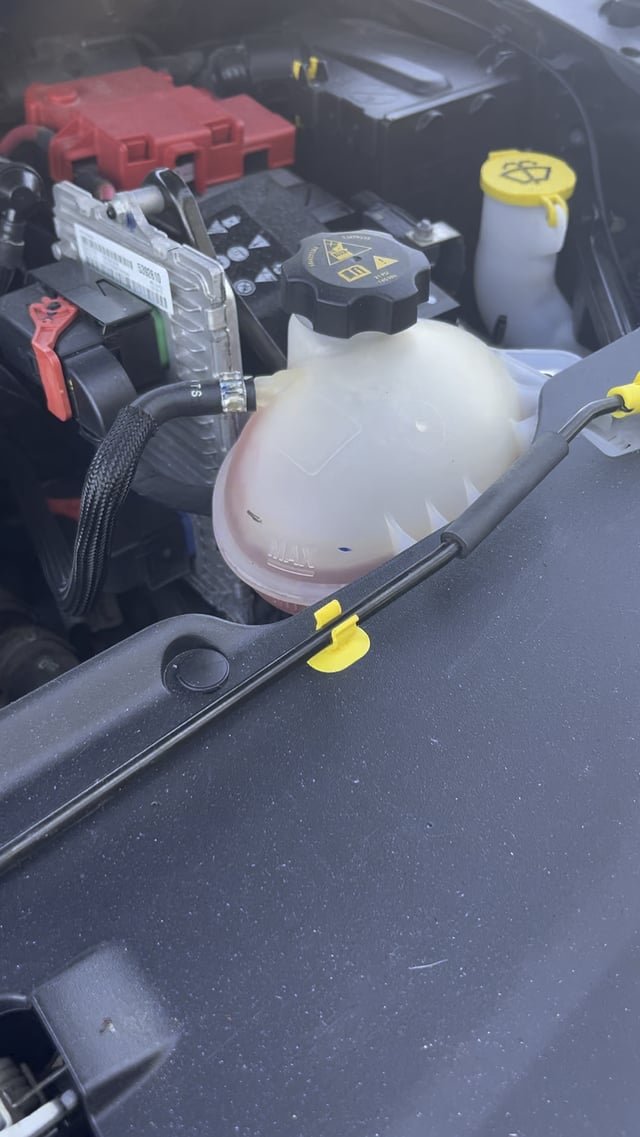
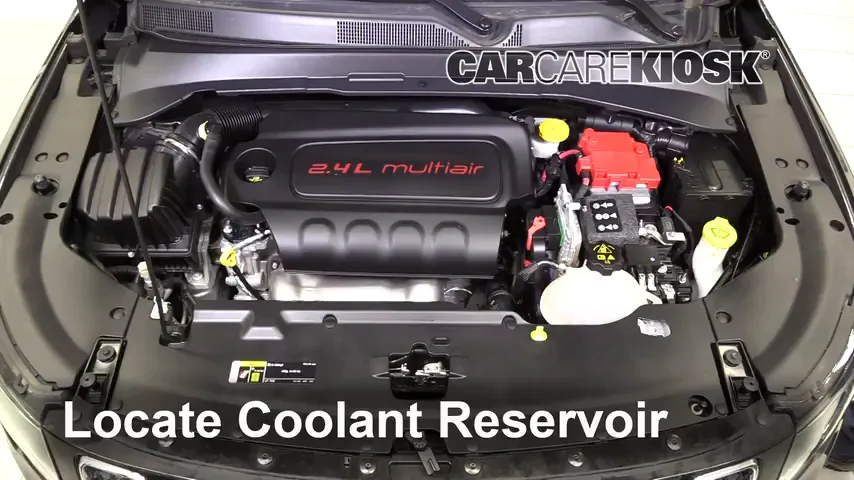
- Check Coolant Level: Open the hood and locate the coolant reservoir. Make sure the engine is cold. The level should be between the “MIN” and “MAX” marks.
- Inspect Coolant Color: OAT coolant should be orange, pink, or red. If it looks brown or rusty, it’s time to change it.
- Top Off Coolant: Use only the recommended OAT coolant. Mix with distilled water if required (usually 50/50 mix).
- Flush Coolant System: Every 5 years or 150,000 miles, a complete flush is recommended. This removes old coolant and buildup.
Example: Step-by-step Coolant Change
- Let the engine cool completely.
- Place a pan under the radiator drain plug.
- Open the drain plug and let old coolant flow out.
- Close the plug and refill with fresh OAT coolant, mixed as specified.
- Run the engine with the radiator cap off for a few minutes, then top off as needed.
Common Mistakes To Avoid
- Mixing different coolant types.
- Using tap water instead of distilled water.
- Not checking for leaks after filling.
Coolant Capacity And Mixing Ratios
Knowing how much coolant your Jeep Compass needs is important. Most models require about 7.5 quarts (7.1 liters) for a full refill. Always mix coolant with distilled water in a 50/50 ratio unless you buy pre-mixed.
Here’s a quick breakdown:
| Model Year | Coolant Capacity | Mix Ratio |
|---|---|---|
| 2017-2026 | 7.1 liters / 7.5 quarts | 50% OAT / 50% distilled water |
| 2011-2016 | 6.8 liters / 7.2 quarts | 50% HOAT / 50% distilled water |
Mixing ratios matter because too much water lowers protection, and too much coolant can cause overheating. Always measure carefully.
Signs Your Coolant Needs Replacing
Don’t wait for engine problems. Here are clear signs your Jeep Compass needs new coolant:
- Engine temperature is higher than usual.
- Coolant looks dirty or rusty.
- Strange smell from under the hood.
- The heater isn’t working properly.
- Warning lights on the dashboard.
Ignoring these signs can lead to expensive repairs. A coolant flush is a simple fix that prevents bigger issues.
Where To Buy Jeep Compass Coolant
You can find OAT coolant at auto parts stores, Jeep dealerships, or online. Always buy from reputable brands.
Look for Mopar, Zerex, or Prestone, but confirm the label says “FCA Material Standard MS. 90032. ”
For official details and more specific information about Jeep Compass coolant, check the Jeep Official Maintenance Guide.
Frequently Asked Questions
What Happens If I Use The Wrong Coolant In My Jeep Compass?
Using the wrong coolant can cause corrosion, engine damage, or heater failure. It may also void your vehicle warranty. Always use OAT coolant for newer Compass models.
How Often Should I Change Coolant In The Jeep Compass?
Change coolant every 5 years or 150,000 miles, whichever comes first. If the coolant looks dirty or the engine overheats, change it sooner.
Can I Mix Oat Coolant With Other Types?
Never mix OAT coolant with HOAT or IAT. Mixing can cause chemical reactions, sludge, and cooling system failure.
Is It Safe To Use Tap Water With Coolant?
No. Always use distilled water. Tap water contains minerals that cause scaling and corrosion inside the engine.
How Do I Know If My Coolant Is Low?
Check the coolant reservoir under the hood. If the level is below “MIN,” add more OAT coolant. Warning lights may also indicate low coolant.
Keeping your Jeep Compass in top shape is simple if you use the right coolant and follow these tips. Correct maintenance protects your engine, saves money, and ensures safe driving every season.