Keeping Jeep plastic fenders looking good isn’t just about pride—it also protects your vehicle from the elements. Fenders take a beating from sun, mud, rain, and road grime.
Over time, they can fade, crack, or look tired. Choosing the right products and care methods makes a big difference.
Many Jeep owners use the wrong cleaners or neglect their fenders, leading to early wear. Here’s how to keep your Jeep’s plastic fenders looking sharp, with practical advice that goes beyond basic cleaning.
Understanding Jeep Plastic Fenders
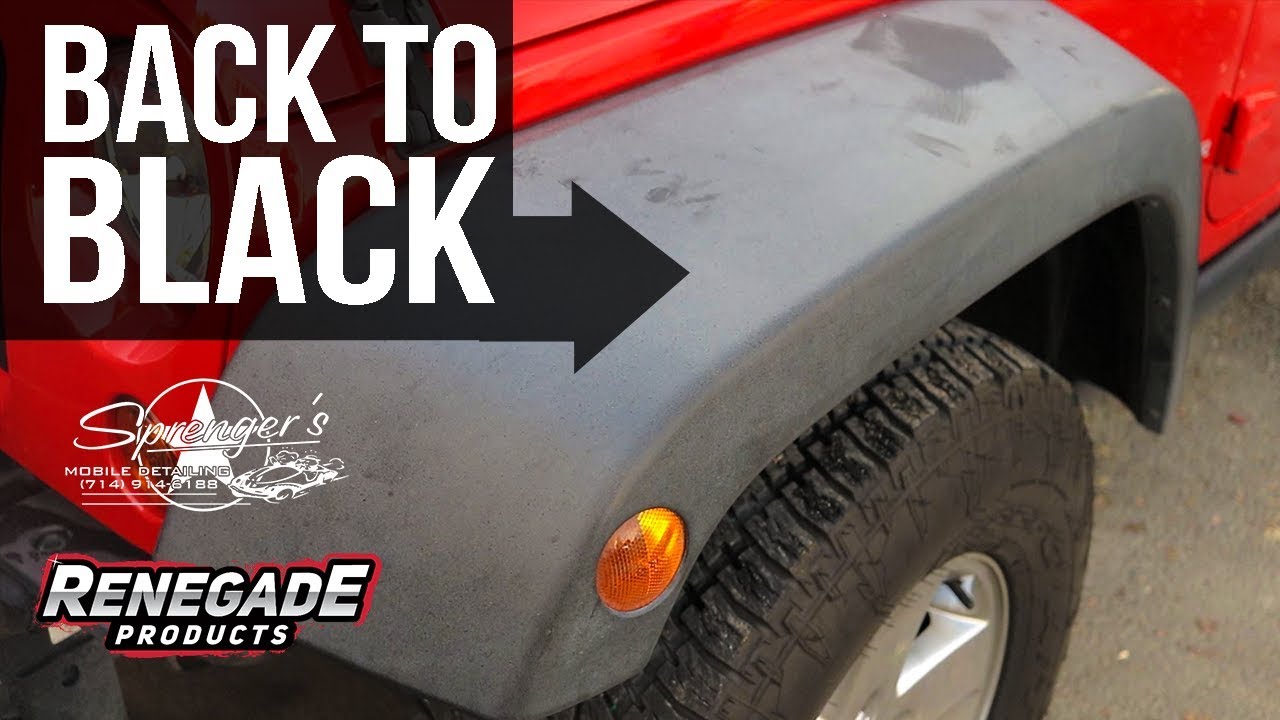
Jeep plastic fenders are made from thermoplastic materials like ABS or polypropylene. These are tough but prone to fading and chalking, especially under harsh sunlight. Unlike painted metal, plastic fenders don’t rust, but they do lose their shine and color. UV rays are the biggest enemy, followed by road salts and chemicals. Knowing this helps you pick products that not only clean, but also protect.
Best Products For Cleaning Jeep Plastic Fenders
Choosing a cleaner is more than grabbing any soap. Some soaps strip away the protective layer, while others leave greasy residues.
The best options are pH-neutral and made for automotive plastics.
| Product Type | Recommended Brands | Effectiveness |
|---|---|---|
| Plastic Cleaner | Meguiar’s, Mothers | Removes dirt, safe for plastics |
| All-Purpose Cleaner | Simple Green, Chemical Guys | Good for tough stains, must rinse well |
| Soap & Water | Any mild car wash soap | Basic maintenance, no protection |
For basic cleaning, use a plastic cleaner with a soft brush. Avoid household detergents, as they can dry out the plastic. For stubborn mud or stains, an all-purpose automotive cleaner works, but always rinse thoroughly. A simple tip: never use rough scrubbing pads—they scratch and dull the finish.
Restoring Faded Plastic Fenders
Many Jeep owners struggle with faded fenders. Sunlight causes plastics to lose color, turning them gray or white.
Restoring fenders isn’t difficult, but requires the right approach.
| Restoration Method | Longevity | Ease of Use |
|---|---|---|
| Plastic Restorer Cream | 6-12 months | Easy |
| Heat Gun Treatment | 12+ months | Moderate (risk of damage) |
| DIY Solutions (e.g. peanut butter) | 2-3 weeks | Easy |
- Apply a plastic restorer (like Meguiar’s Ultimate Black). These creams or gels penetrate the surface, darkening faded areas. Apply with a microfiber cloth, let it sit, then buff.
- For deep fading, some use a heat gun. This method works by warming the plastic and restoring oils, but can melt or warp if you’re not careful.
- DIY tricks like peanut butter (due to its oils) can temporarily restore color, but results fade quickly.
A non-obvious insight: Restorers often work better after a deep clean. Dirt and grime block the product from soaking in. Always clean fenders thoroughly before applying any restorer.
Protecting Jeep Plastic Fenders From Uv And Weather
After cleaning and restoring, protection is key. UV rays break down plastic molecules, causing fading and brittleness.
Using protectants extends fender life and keeps them looking new.
| Protectant Type | UV Protection | Water Resistance |
|---|---|---|
| Silicone-Based Protectant | High | Medium |
| Polymer-Based Protectant | Very High | High |
| Wax-Based | Moderate | Low |
Silicone-based sprays (like 303 Aerospace Protectant) offer strong UV defense. Polymer-based protectants often last longer and resist water better.
Apply every 2-3 months, especially if you park outdoors. Avoid products with petroleum distillates—they damage plastic over time.
A common mistake: Many people use tire shine or dashboard products on fenders. These can attract dust and make fenders sticky or greasy. Always pick products labeled for exterior plastic.
Application Tips And Common Mistakes
Applying cleaners and protectants is simple, but small errors can cause big problems. Here are best practices and mistakes to avoid:
- Clean in shade: Sunlight dries products too quickly, leading to streaks.
- Use soft cloths or brushes: Hard brushes scratch plastic.
- Follow product directions: Some need to sit, others wipe off fast.
- Buff after application: This removes extra product and gives a smooth finish.
- Test new products: Try on a small area first, especially with heat guns or restorers.
Beginners often miss that regular maintenance is easier than restoration. Cleaning and protecting once a month prevents fading, saving money and effort later.
Frequently Asked Questions