A rising temperature gauge in your Jeep can quickly turn a fun drive into a stressful situation. Overheating is a common issue with both older and newer models, and if not handled quickly, it can lead to serious engine damage.
Knowing what to do when your Jeep is overheating can save you money, time, and keep you safe on the road. This guide explains the steps you should take, why your Jeep may overheat, and how to prevent it in the future.
Immediate Steps If Your Jeep Is Overheating
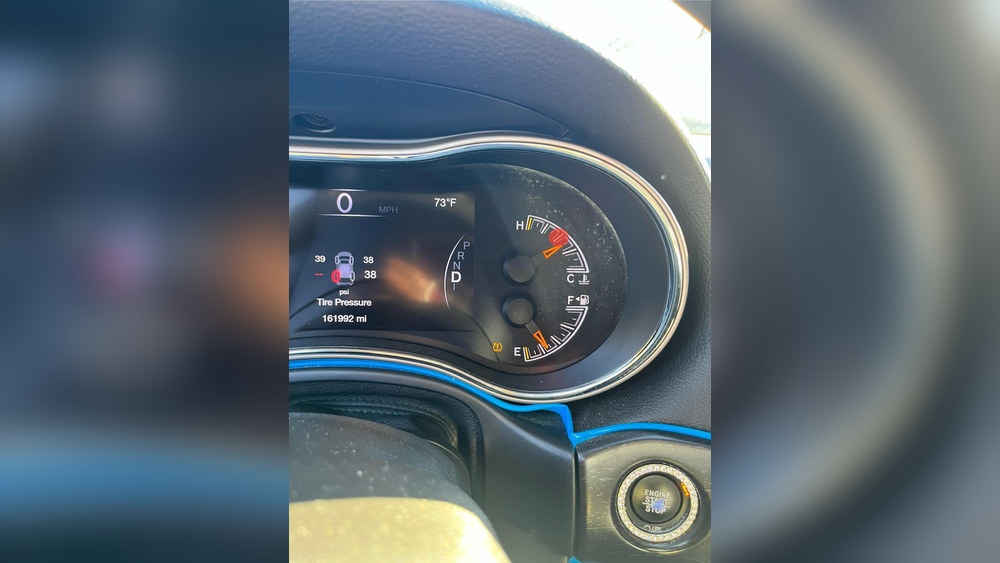
When you notice the temperature gauge climbing or see steam from under the hood, act quickly but calmly. Here’s what you should do:
- Pull Over Safely
- Find a safe spot to stop as soon as possible. Continuing to drive can cause more damage.
- Turn Off the Engine
- Shut the engine off to let it cool down. Never open the hood immediately—wait at least 15–30 minutes to avoid burns.
- Turn On the Heater
- If you can’t stop right away, turn the heater to full blast. This can help draw heat away from the engine.
- Check for Leaks or Steam
- Look under the vehicle for coolant leaks. Steam or a sweet smell often means a coolant issue.
- Add Coolant (If Needed and Safe)
- Once the engine is cool, check the coolant level in the reservoir. If low, add a 50/50 mix of coolant and water. Never add coolant to a hot engine—it can crack the block or cause burns.
These steps can help you avoid expensive repairs. Many drivers make the mistake of ignoring the warning signs, which can lead to a blown head gasket or warped engine parts.
Common Causes Of Jeep Overheating
Understanding why your Jeep is overheating helps you fix the problem faster. Several parts of the cooling system can fail. Here’s a look at the most common causes:
| Cause | Signs | Example Models Affected |
|---|---|---|
| Low Coolant Level | Warning light, sweet smell | Wrangler, Grand Cherokee |
| Faulty Thermostat | Sudden temp spikes | Cherokee, Liberty |
| Broken Water Pump | Coolant leak, whining noise | Compass, Patriot |
| Clogged Radiator | Sludge in coolant, overheating | Renegade, Wrangler |
| Radiator Fan Failure | Fan not spinning, temp rise at idle | All models |
It’s common for Jeeps, especially older Wranglers, to suffer from radiator or fan problems due to off-road use and debris.
Diagnosing The Problem
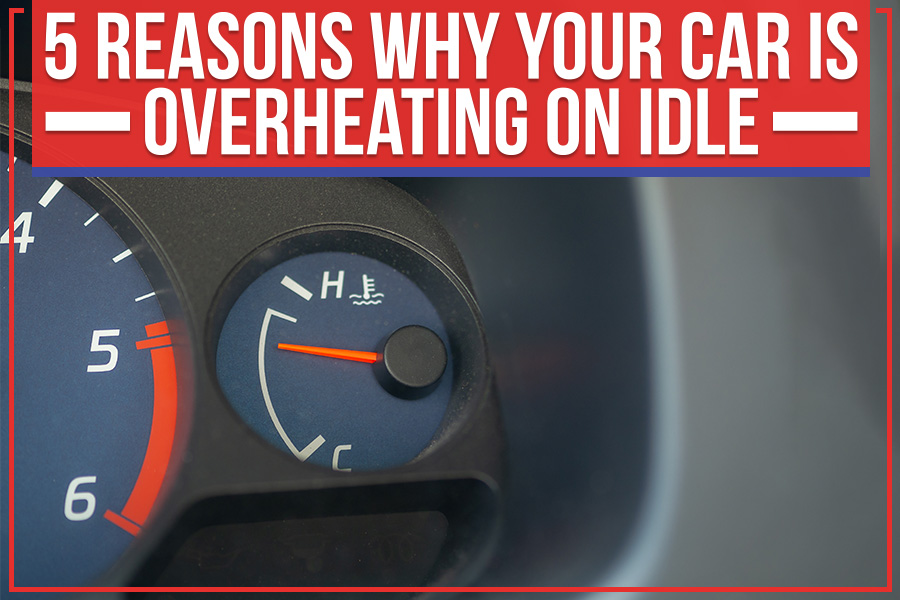
Once your Jeep has cooled down, you can try to identify the specific issue:
- Check the coolant reservoir for proper level and color. Milky or rusty fluid means you might have contamination.
- Inspect hoses and clamps for cracks, leaks, or bulges.
- Listen for unusual sounds like a whine from the water pump or a clicking fan.
- Look at the drive belt—if it’s loose or broken, the water pump won’t work.
Sometimes, the problem is not obvious. In those cases, a mechanic should run a pressure test or use a scan tool to check for error codes.
Temporary Fixes To Get You Home
If you’re stranded and need to reach help or a service station, a few temporary measures may help:
- Top up coolant with water if coolant is unavailable (not a long-term fix).
- Drive with the heater on to dissipate engine heat.
- Avoid heavy traffic and keep speeds moderate.
- Turn off the A/C to reduce engine load.
Remember, these are short-term solutions. Driving too far with an overheating engine can cause permanent damage.
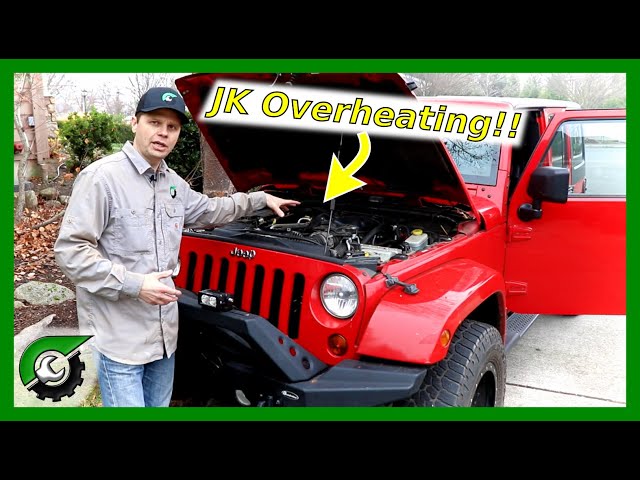
Preventing Jeep Overheating
Prevention is the best cure. Regular maintenance reduces the risk of overheating. Here’s how to keep your Jeep cool year-round:
| Maintenance Task | Recommended Interval | Why It Matters |
|---|---|---|
| Check Coolant Level | Every month | Prevents low fluid issues |
| Flush Cooling System | Every 2 years or 30,000 miles | Removes buildup and rust |
| Inspect Belts and Hoses | Every oil change | Catches wear before failure |
| Test Thermostat | Every 3 years | Ensures proper temp control |
| Check Radiator Cap | Annually | Maintains pressure in system |
A less obvious tip: If you often drive off-road, clean your radiator fins with low-pressure water to clear mud and debris. Many owners forget this step, which can block airflow and raise temperatures.
When To Seek Professional Help
If your Jeep overheats repeatedly or you notice white smoke, oil in the coolant, or a constant coolant leak, it’s time to call a mechanic. These signs can point to a blown head gasket or a cracked engine block—issues that require expert repair.
Modern Jeeps have sensors that store error codes when overheating occurs. A professional can read these codes to quickly find the root cause.
Delaying repairs can turn a small issue into a costly engine rebuild.