If you own a Jeep Rubicon or are thinking about buying one, you probably wonder what tires come standard on this rugged vehicle. Tires are a huge part of the Rubicon’s legendary off-road reputation.
The right tires can make a big difference in how your Jeep performs on tough trails, muddy roads, or even city streets.
Knowing the exact tire types, sizes, and features helps you understand what your Rubicon can handle right out of the dealership—and what you might want to upgrade later.
Factory Tires On Jeep Rubicon
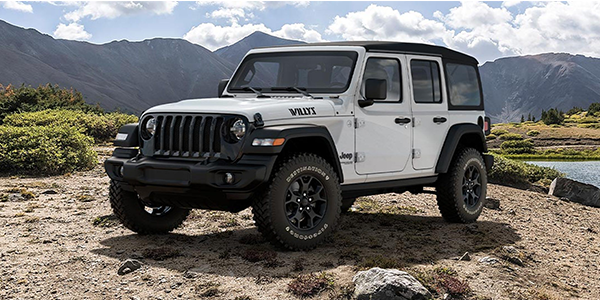
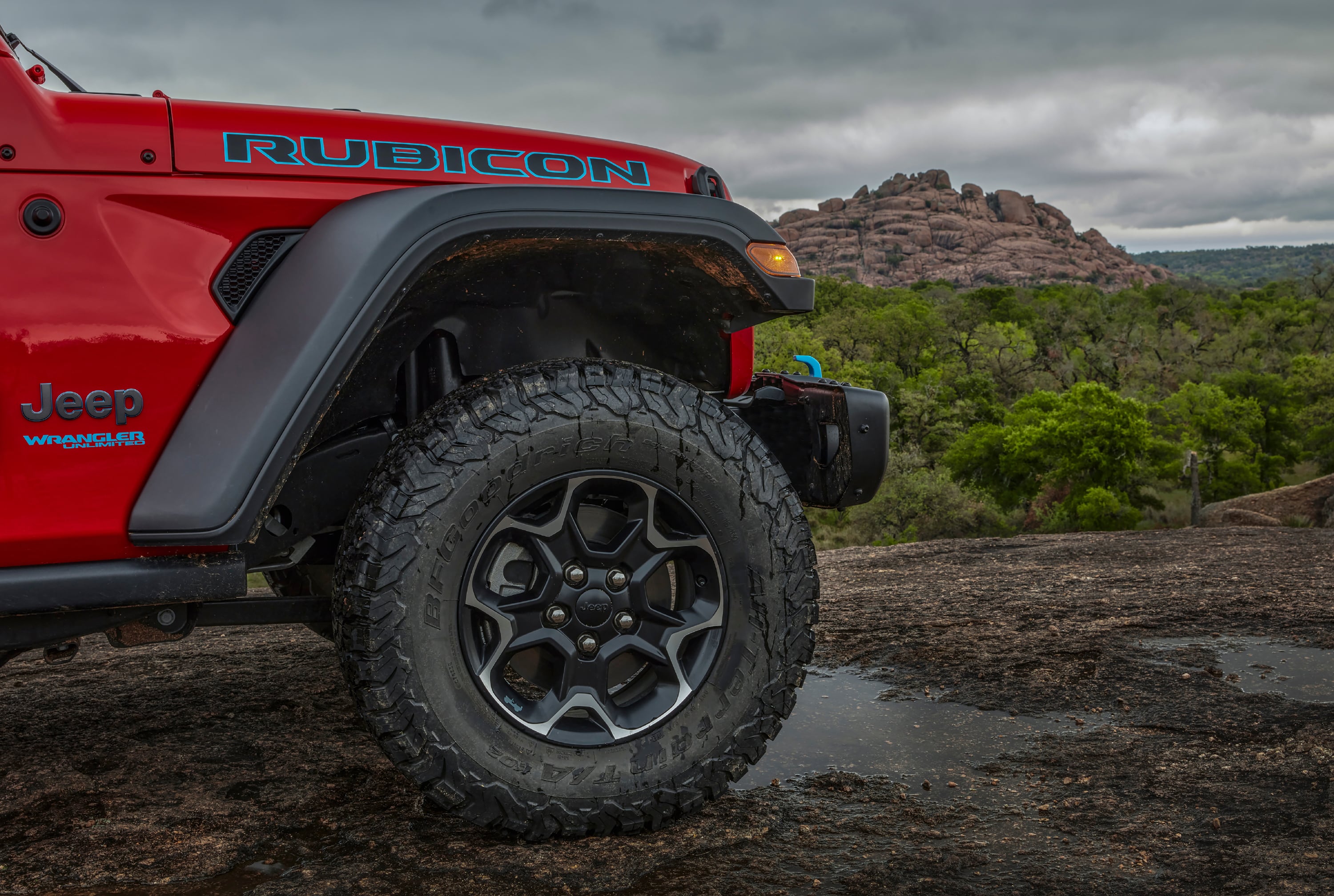
Jeep Rubicon models are built for adventure. The tires that come standard are chosen to match this spirit. For recent models, the factory tire is usually the BFGoodrich All-Terrain T/A KO2. This tire is famous for its durability and off-road capability.
Tire Size Details
Most Jeep Rubicons come with LT285/70R17 tires. Let’s break down what this means:
- LT stands for Light Truck, showing these tires are strong enough for heavy use.
- 285 is the width in millimeters.
- 70 is the aspect ratio, which shows the height compared to the width.
- R17 means the tire fits 17-inch wheels.
For the Jeep Wrangler Rubicon, both two-door and four-door versions usually have this size. The Jeep Gladiator Rubicon (the pickup version) also uses LT285/70R17, but sometimes you’ll see a different tire brand or tread pattern, depending on the package chosen.
Tire Type
Rubicon tires are all-terrain. This means they are designed for both off-road and on-road driving. All-terrain tires have deeper tread and stronger sidewalls than normal tires. They handle rocks, mud, sand, and snow much better than standard highway tires.
Tire Features And Performance
The tires on a Jeep Rubicon are not just for looks. They are built for real performance.
Off-road Features
- Aggressive tread pattern: Helps grip dirt, rocks, and mud.
- Sidewall strength: Protects against cuts and punctures.
- Self-cleaning design: Throws off mud and stones to keep traction.
- Snow performance: Many Rubicon tires are rated for severe snow, with the “Three Peak Mountain Snowflake” symbol.
On-road Comfort
Even with tough features, Rubicon tires offer a quiet ride and good handling on pavement. They balance off-road ability with daily driving comfort, so you can use your Rubicon as a regular vehicle.
Tire Comparisons: Rubicon Vs Other Jeep Models
To show how Rubicon tires stand out, here’s a comparison with other Jeep models.
| Model | Factory Tire Brand | Tire Size | Tire Type |
|---|---|---|---|
| Jeep Rubicon | BFGoodrich KO2 | LT285/70R17 | All-Terrain |
| Jeep Sahara | Bridgestone Dueler | P255/70R18 | Highway/All-Season |
| Jeep Sport | Firestone Destination | P245/75R17 | All-Season |
Rubicon tires are wider, taller, and made for rough terrain. Sahara and Sport models focus more on comfort and fuel economy.
Tire Options And Packages
Jeep sometimes offers special tire upgrade packages. For example, the Rubicon Recon or Xtreme Recon packages include even larger tires, like LT315/70R17 (about 35 inches tall).
| Rubicon Package | Tire Size | Brand | Main Advantage |
|---|---|---|---|
| Standard Rubicon | LT285/70R17 | BFGoodrich KO2 | Balanced all-terrain performance |
| Xtreme Recon | LT315/70R17 | BFGoodrich KO2 | Extra clearance and off-road grip |
| Rubicon Recon | LT285/70R17 | BFGoodrich KO2 | Enhanced durability |
If you want more ground clearance or tougher looks, these packages are worth considering.
Real-world Example: Trail Use
Many Jeep owners drive their Rubicon straight from the showroom to the trail. The KO2 tires are proven on tough routes like the Rubicon Trail in California, which is one of the hardest off-road paths in the US. These tires help drivers tackle rocks, sharp turns, and deep mud without losing traction.
What Beginners Often Miss
- Factory Rubicon tires are strong, but they are not true “mud tires.” For deep mud or sand, you may want even more aggressive tread.
- Tire pressure makes a big difference. Lowering the pressure (called “airing down”) helps grip off-road, but you need to reinflate for regular roads.
Most new owners forget to check tire pressure or don’t know how tread patterns affect performance. It’s smart to learn about your tires before heading into tough terrain.
Upgrading Rubicon Tires
Some drivers upgrade to 35-inch or 37-inch tires. However, bigger tires may require changes to the suspension, gears, or even the fenders. Always check what your Rubicon can handle without modifications.
- Bigger tires = more ground clearance
- Heavier tires = less fuel efficiency
- Wider tires = more stability off-road
If you are thinking about upgrading, talk to a Jeep specialist and check the official recommendations. You can find more technical details from BFGoodrich Tires.
Frequently Asked Questions
What Is The Standard Tire Size On A Jeep Rubicon?
The standard size is LT285/70R17. This fits 17-inch wheels and offers good height and width for off-road use.
Are Rubicon Factory Tires Good For Snow?
Yes, most Rubicon tires have the Three Peak Mountain Snowflake symbol, showing they are rated for severe snow conditions.
Can I Use Rubicon Tires For Daily Driving?
Absolutely. Rubicon tires are designed for both off-road and city driving, balancing toughness with comfort and quietness.
How Often Should I Check Tire Pressure?
Check at least once a month and before any off-road trip. Proper pressure improves safety and tire life.
What Happens If I Upgrade To Bigger Tires?
You may need to adjust your Jeep’s suspension, gears, and fenders. Bigger tires improve off-road ability but can affect fuel economy and handling.
Choosing the right tires is key for your Jeep Rubicon’s performance and safety. The factory tires are strong, reliable, and ready for adventure.
If you want even more capability, there are upgrade options—but always check what fits your Jeep and your needs.
Understanding your Rubicon’s tires gives you confidence both on and off the road.