Jeep Wranglers are famous for their rugged design and off-road abilities. But one thing many owners and buyers want to know is: What tires actually come on a Jeep Wrangler?
This question sounds simple, but the answer depends on the model, trim, and even the year. Choosing the right tires matters, not just for looks, but for safety, comfort, and performance—whether you’re driving on the highway or heading off the beaten path.
Factory Tires For Jeep Wrangler: An Overview
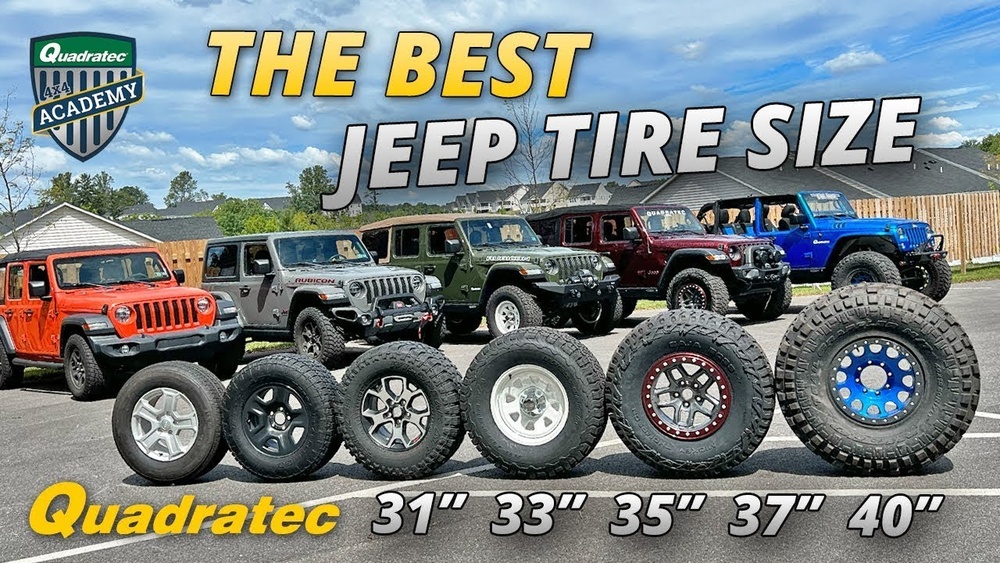
Jeep Wranglers roll off the factory line with a few different tire options. The exact tire size and brand depend on the specific trim level and package. Most Wranglers come with all-terrain or mud-terrain tires, designed to handle both road and trail.
Main Factory Tire Brands
The top tire brands Jeep uses for Wranglers are:
- Bridgestone
- Goodyear
- Falken
Each brand offers different tread patterns and strengths. For example, Goodyear is known for its all-terrain grip, while Falken often focuses on off-road traction and durability.
Tire Sizes By Wrangler Model And Trim
Tire size is one of the most important details. It affects ground clearance, ride comfort, and off-road ability. Here’s a quick look at the typical factory tire sizes you’ll find on popular Wrangler trims:
| Trim Level | Common Tire Size | Factory Brand |
|---|---|---|
| Sport | 245/75R17 | Bridgestone Dueler |
| Sahara | 255/70R18 | Bridgestone Dueler |
| Rubicon | 285/70R17 | Falken Wildpeak M/T |
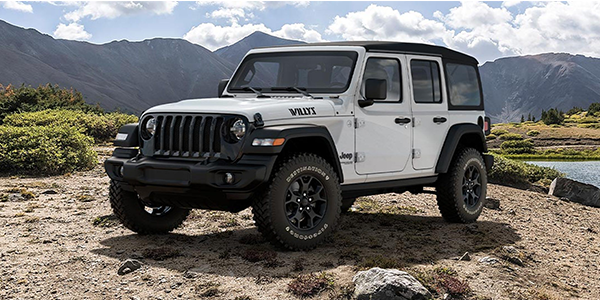
| Willys | 255/75R17 | Firestone Destination |
Most base models come with all-season or all-terrain tires, while the Rubicon and Willys trims get tires designed for tougher trails. The tire sidewall (the second number) is especially important for off-roading, as a taller sidewall helps absorb impacts.

How Tire Choice Affects Wrangler Performance
Not all tires are created equal. The type and size of the tire that comes on your Wrangler has a direct impact on:
- Traction: Off-road tires grip better on dirt, rocks, and mud, but can be louder on pavement.
- Fuel Economy: Larger, heavier tires can lower your miles per gallon.
- Ride Comfort: All-terrain tires are often quieter and smoother on highways.
- Clearance: Bigger tires raise the body, helping you avoid scraping rocks.
Here’s a simple comparison:
| Tire Type | On-Road Comfort | Off-Road Performance | Noise Level |
|---|---|---|---|
| All-Season | High | Low | Low |
| All-Terrain | Medium | Medium | Medium |
| Mud-Terrain | Low | High | High |
If you mostly drive on highways, all-terrain or all-season tires work well. If you plan to hit muddy or rocky trails, mud-terrain tires are a better choice.
Changes In Tire Options Over The Years
Jeep has updated tire options as newer Wrangler models have launched. For example, the JL generation (2018 and newer) introduced larger factory tires and more aggressive tread for off-road packages. Earlier generations, like the JK (2007–2017), often had smaller sizes and fewer choices.
Here’s how Wrangler tire sizes have evolved:
| Year Range | Base Tire Size | Largest Stock Option |
|---|---|---|
| 2007–2017 (JK) | 225/75R16 | 255/75R17 |
| 2018–2026 (JL) | 245/75R17 | 285/70R17 |
It’s important to check your owner’s manual or the sticker on the door jamb for the exact tire size your Jeep needs.
Tips For Choosing Replacement Tires
At some point, you’ll need to replace your Wrangler’s tires. Here’s what to keep in mind:
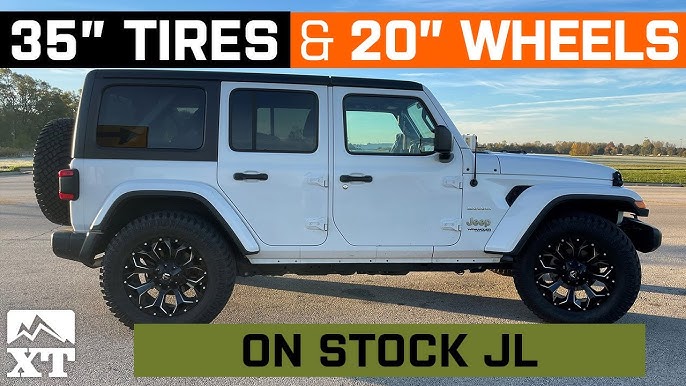
- Stick to factory sizes for best fit and performance, unless you plan to lift your Jeep.
- Consider your driving habits. If you mostly drive on pavement, off-road tires might be overkill.
- Look at the load and speed ratings on the tire. These numbers affect safety and handling.
- Tread pattern matters. Deep treads are best for mud and rocks, while tighter patterns are quieter on highways.
- Don’t forget the spare—it should match the other four tires in size and type.
Many new owners overlook the importance of tire pressure. Keeping tires inflated to the right PSI helps them last longer and improves safety.
Non-obvious Insights Most Owners Miss
One detail beginners miss is that OEM tires (Original Equipment Manufacturer) are sometimes tuned for a softer ride or lower road noise rather than maximum off-road grip. This means factory tires may not perform as well on tough trails as some aftermarket options.
Another important fact: Jeep often makes running changes during a model year. This means the tires on a 2026 Wrangler Sport built in January could be different from one built in September. Always check the sidewall markings before buying replacements.
For more technical information, the official Jeep Wrangler site provides details by trim and year.
Frequently Asked Questions
What Is The Standard Tire Size For A Jeep Wrangler?
Most recent Jeep Wranglers come with 245/75R17 or 255/70R18 tires. However, higher trims like the Rubicon use 285/70R17 for better off-road performance.
Can I Put Larger Tires On My Jeep Wrangler Without Modifications?
You can usually go up one size without issues. For example, moving from 245/75R17 to 255/75R17 is often possible. Larger jumps may require a lift kit or wheel spacers.
Are Factory Jeep Wrangler Tires Good For Winter?
Factory tires are all-season or all-terrain. They handle light snow but are not true winter tires. For icy conditions, dedicated winter tires work best.
How Long Do Factory Jeep Wrangler Tires Last?
Most factory tires last 30,000 to 50,000 miles with normal driving. Off-road use or low tire pressure can shorten lifespan.
What Is The Recommended Tire Pressure For A Wrangler?
Most models recommend 35 PSI for stock tires. Always check the door jamb sticker for your exact model’s number.
Jeep Wranglers are built for adventure, and the tires they come with reflect that spirit. Knowing what tires your Wrangler has—and how they affect your driving—helps you get the most from your vehicle, both on and off the road.