Taking the doors off a Jeep Wrangler is a popular choice for many owners. It gives you an open-air driving experience and lets you enjoy the outdoors.
However, to remove the doors safely, you need the right tool: a Torx bit. Using the wrong size can strip the bolts or even damage the door hinges, leading to costly repairs.
If you’re wondering “What size Torx bit for Jeep Wrangler doors?” , you’re not alone.

This guide will help you pick the correct size, explain why it matters, and give tips for a smooth removal process.
Why Torx Bits Matter For Jeep Wrangler Doors
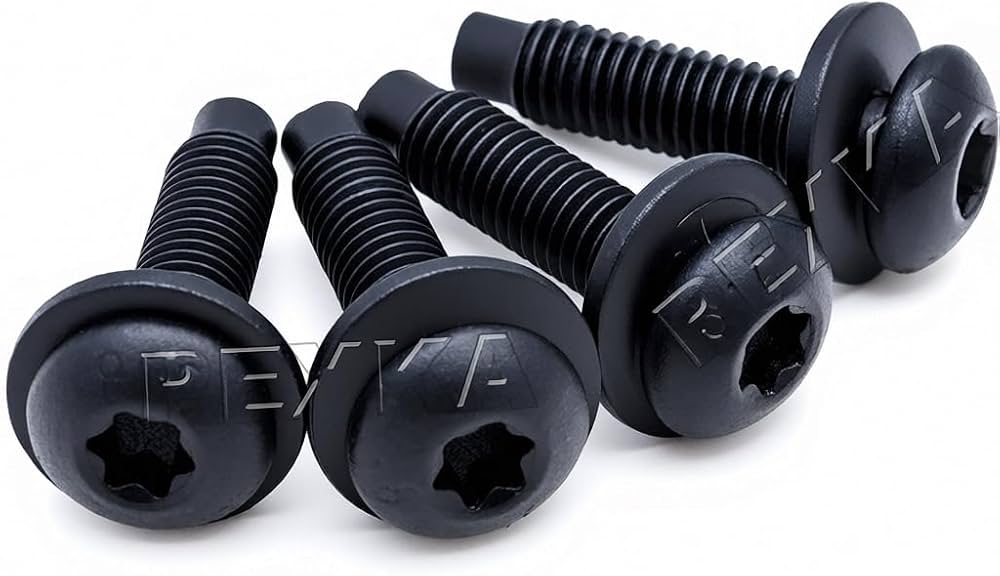
Jeep Wranglers use Torx bolts on the door hinges for a reason. Torx bolts have a star-shaped design that provides better grip and torque than standard bolts. This design helps prevent slipping and reduces the chance of stripping the bolt head. When you use the correct Torx bit, you can safely remove and reattach the doors without damaging your Wrangler.
Many beginners assume any Torx bit will fit, but Jeep uses specific sizes for different parts. Using the wrong size can quickly round off the bolt, making future removal much harder.
The Correct Torx Bit Size For Jeep Wrangler Doors
For most Jeep Wrangler models, including the popular JK, JL, and Gladiator JT, the door hinge bolts require a T50 Torx bit. This size is almost universal across recent models, but always check your owner’s manual to confirm.
Here’s a quick reference for common Torx bit sizes on a Jeep Wrangler:
| Part | Torx Bit Size | Notes |
|---|---|---|
| Door Hinges | T50 | Main bolt for removing doors |
| Hardtop Bolts | T40 | Used for roof removal |
| Seat Bolts | T45 | Varies by model year |
For most people, only the T50 is needed for taking off the doors. The bolts are often tight from the factory, so a sturdy ratchet or breaker bar is useful.
Step-by-step Guide: Removing Jeep Wrangler Doors
Getting the doors off is straightforward if you’re prepared. Here’s how to do it safely:
- Gather Tools: You need a T50 Torx bit, a ratchet or breaker bar, and a soft surface to rest the doors on.
- Lower the Windows: This reduces the risk of breaking the glass while moving the door.
- Unplug Wiring: Most Wrangler doors have a wiring harness for power locks and windows. Disconnect it carefully.
- Remove the Check Strap: This is the strap inside the door that prevents it from swinging too far.
- Unscrew Door Bolts: Use the T50 Torx bit to remove the two hinge bolts per door.
- Lift Off the Door: Hold the door firmly and pull straight up. Jeep doors are heavy; ask for help if needed.
If you’re removing the doors for the first time, the bolts might be tight or even have a bit of factory thread locker. Applying a bit of penetrating oil can make the job easier.
Comparing Torx Bit Materials: What Should You Buy?
Not all Torx bits are the same. The quality of the bit affects how easy it is to remove stubborn bolts and avoid stripping. Here’s a simple comparison:
| Material | Durability | Best For |
|---|---|---|
| Chrome Vanadium | Good | General use |
| S2 Steel | Very High | Heavy-duty or frequent use |
| Carbon Steel | Basic | Light, occasional use |
If you plan to remove your doors often, investing in S2 steel bits is smart. They last longer and are less likely to chip or break.

Mistakes To Avoid When Removing Doors
Many Jeep owners make some common errors the first time they take off their doors. Here are two non-obvious insights:
- Don’t Overtighten When Reinstalling: After enjoying your Jeep without doors, remember not to overtighten the hinge bolts when you put them back. Over-torquing can damage the threads or even crack the hinge.
- Store Bolts Safely: Jeep provides small storage slots in the trunk for door bolts. Always use them so you don’t lose the bolts or mix them up with others.
Also, avoid removing the doors on uneven ground. The heavy doors can shift or fall, causing injury or damage.
Handy Accessories For Easier Removal
Some tools and accessories make the process smoother:
- Door removal tool kits: These often include the correct Torx bits and a strong ratchet.
- Protective bags or covers: To prevent scratches on doors while they’re off the vehicle.
- Magnetic trays: To keep bolts and small parts from getting lost.
If you’re interested in more technical details about Torx fasteners and their advantages, you can check out this Wikipedia article on Torx.

Frequently Asked Questions
What Size Torx Bit Do I Need For Jeep Wrangler Door Hinges?
You need a T50 Torx bit for almost all modern Jeep Wrangler door hinges. Always double-check your specific model year, but T50 fits JK, JL, and Gladiator JT models.
Can I Use A Regular Hex Or Allen Bit Instead Of Torx?
No, you should not use a hex or Allen bit. Torx bolts have a unique star shape, and using the wrong tool can strip the bolt, making removal and installation much harder.
Are All Jeep Wrangler Torx Bolts The Same Size?
No, different parts of the Jeep use different Torx sizes. Door hinges use T50, but other parts like the hardtop use T40 or T45.
Always use the correct size for the job.
Do I Need Any Special Tools Besides The Torx Bit?
You’ll need a ratchet or breaker bar with the T50 bit. Some doors have tight bolts, so a breaker bar helps with leverage. A magnetic tray and storage bags are helpful but not required.
Is It Safe To Drive My Jeep Without Doors?
Yes, it’s legal in many states to drive a Jeep without doors, but you should check local laws. Make sure you have side mirrors installed, as driving without them may be illegal.
Taking your Jeep Wrangler doors off is a unique experience that many owners love. With the right T50 Torx bit and a little care, you can enjoy the freedom and style of doorless driving. Just remember to use quality tools, follow the correct steps, and store your parts safely. This way, you’ll keep your Jeep—and your adventures—running smoothly.


















