The Jeep Gladiator stands out as one of the most versatile pickup trucks in America. While its rugged design catches attention, many buyers wonder about one practical detail: what size tires come on a Jeep Gladiator?
Tire size affects performance, ride comfort, and even fuel efficiency. If you’re thinking about buying a Gladiator or just want to upgrade your wheels, understanding the factory tire sizes is essential.
Factory Tire Sizes For Jeep Gladiator
Jeep offers the Gladiator in several trims, each with its own tire configuration. Most models come with all-terrain tires, but the exact tire size depends on the trim and package. Even within the same trim, some optional packages and wheel upgrades may change the tire dimensions slightly, so it’s always smart to check the build sheet or ask the dealer for specifics.
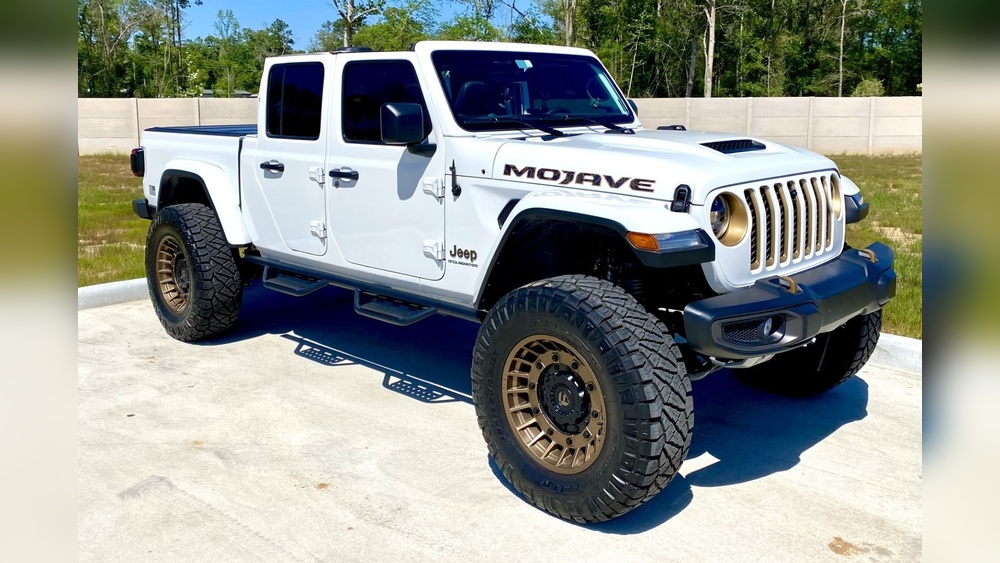
The main factory trims for the Jeep Gladiator are:
- Sport
- Overland
- Rubicon
- Mojave
Below, you’ll find a comparison of standard tire sizes for each trim:
| Trim | Standard Tire Size | Wheel Size |
|---|---|---|
| Sport | 245/75R17 | 17-inch |
| Overland | 255/70R18 | 18-inch |
| Rubicon | 285/70R17 | 17-inch |
| Mojave | 285/70R17 | 17-inch |
Sport models usually have smaller, less aggressive tires, ideal for daily driving and light off-road use. The Overland trim adds a bit more width for comfort and style, making highway driving smoother and giving a more upscale look. The Rubicon and Mojave trims come with the largest tires, perfect for off-road adventures. These trims are built with tougher suspension and larger tires to handle deep mud, sand, and rocky terrain.
Some Gladiator buyers are surprised to see that even the entry-level Sport model can handle mild trails, but for serious off-roading, the Rubicon and Mojave tires make a big difference.
It’s important to note that tire size also affects how the Gladiator looks, with larger tires giving a more aggressive stance.
Breaking Down Tire Sizes
Understanding tire codes can feel confusing. Let’s break down what 245/75R17 means:
- 245: Tire width in millimeters
- 75: Aspect ratio (height as a percentage of width)
- R: Radial construction
- 17: Wheel diameter in inches
For example, a wider tire like 285/70R17 will have a larger footprint on the ground, which can help with traction. The aspect ratio tells you how tall the sidewall is compared to the width, which affects ride comfort and off-road performance. Radial construction is standard for modern tires, offering better durability and a smoother ride.
Larger tires, like 285/70R17, give the Gladiator better ground clearance and off-road grip. Smaller tires, such as 245/75R17, focus on fuel efficiency and a smoother ride. This is why many drivers who use their Gladiator mainly for city or highway driving prefer the smaller tires—they’re quieter, lighter, and easier on gas.
Here’s a quick comparison of tire dimensions:
| Tire Size | Width (mm) | Sidewall Height (mm) | Wheel Diameter (in) |
|---|---|---|---|
| 245/75R17 | 245 | 183.75 | 17 |
| 255/70R18 | 255 | 178.5 | 18 |
| 285/70R17 | 285 | 199.5 | 17 |
Notice how the Rubicon and Mojave tires are wider and taller. This makes them ideal for rough terrain and deep mud. However, they may be louder on pavement and reduce MPG slightly. In addition, a taller sidewall can help protect the wheel from damage when driving over rocks, but may feel softer or “floaty” when cornering on asphalt.
A detail many beginners miss: tire width and sidewall height together impact both comfort and steering feel. For example, a tire with a taller sidewall absorbs bumps better, but might feel less precise when turning.
Optional Tire Packages
Jeep lets buyers customize their Gladiator with optional tire packages. Some upgrades are:
- All-Terrain Tires: Offered for better grip on rocks and dirt. These tires balance road comfort with off-road capability, making them a good choice for drivers who spend time both on highways and trails.
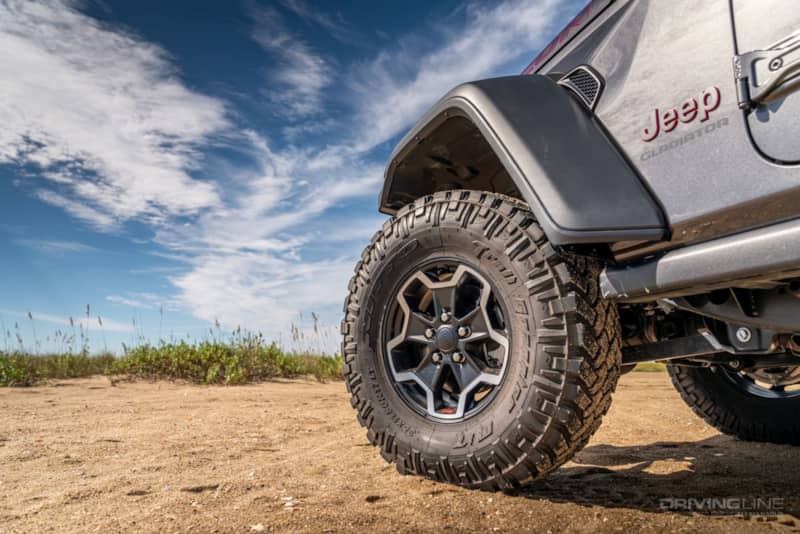
- Mud-Terrain Tires: For extreme off-roading, usually 33-inch diameter. Mud-terrain tires have deeper treads and reinforced sidewalls, giving them extra bite in deep mud and loose sand. However, they tend to be noisy and wear faster on paved roads.
- Performance Tires: Designed for street handling and improved comfort. These tires are smoother and quieter, ideal for drivers who prioritize city driving and want less vibration.
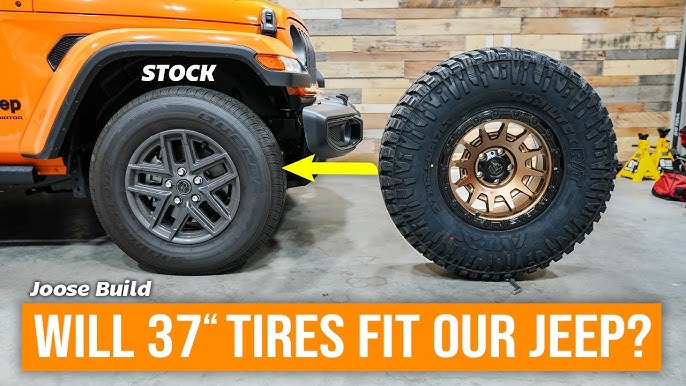
These packages may affect the tire size, especially for those who choose the Rubicon or Mojave. Some dealers even offer 35-inch tires if you add a lift kit.
Upgrading to larger tires can also require changes to the suspension or steering components for proper fit and safe operation.
A practical tip: when considering tire upgrades, ask about the impact on warranty and maintenance costs. Sometimes, dealers require you to use certain brands or sizes to keep coverage.
Tire Size And Performance
The size of your tires changes how your Gladiator behaves on the road and trail. Here’s how:
- Bigger tires increase ground clearance, help you drive over rocks, and look more aggressive. They also handle deep water crossings better.
- Smaller tires improve steering response and fuel economy. They’re lighter, which can mean faster acceleration and easier handling.
- Wider tires provide more traction, especially in mud or sand. They spread the vehicle’s weight over a larger area, reducing the risk of sinking.
But there’s a trade-off. Larger tires can make the speedometer less accurate and may require extra modifications, like a lift or re-gearing.
Many new owners miss this detail, leading to unexpected costs. For example, changing tire size can affect ABS calibration and transmission shifting.
For most drivers, sticking with the factory tire size is the safest choice. It keeps warranty intact and ensures reliable performance. If you upgrade, check if your Gladiator needs a recalibration for the speedometer or other electronics.
A non-obvious insight: tire pressure is also affected by size. Larger tires may require lower pressure for off-road, but higher pressure for highway safety. Always check the recommended PSI for your new tires.
Real-world Examples
Let’s look at two Gladiator owners:
- John’s Overland: Came with 255/70R18 tires. John swapped to 285/75R17 after a year, gaining 1.5 inches in height but losing some fuel efficiency. He also noticed his speedometer was off by a few miles per hour, and had to get it recalibrated.
- Maria’s Rubicon: Uses stock 285/70R17 tires. She added a mud-terrain package for off-roading. The extra grip helped her tackle muddy trails, but road noise increased. Maria also found that her tires wore out faster on pavement, so she rotates them more often.
These stories show how tire size affects daily life. Many beginners forget to check if bigger tires fit without rubbing. Measuring clearance before upgrading is important. Another common mistake: not considering the impact on spare tire fitment. Sometimes, the factory spare won’t fit if you go much larger.
If you plan to upgrade, it’s helpful to test drive a Gladiator with the tire size you want. This gives you a feel for ride quality and handling differences.
Tire Size And Legal Limits
In some states, laws restrict how much you can change tire size. Going too big may cause issues with insurance or inspections.
Always check local rules before making changes. The Jeep Gladiator’s stock tire sizes are safe and legal everywhere in the US.
Some states also limit changes to bumper height or headlight position, which can be affected by larger tires and lift kits. If your Gladiator is your daily driver, staying within legal limits avoids trouble at yearly inspections.
For more technical details on tire sizing, see Wikipedia.
Frequently Asked Questions
What Is The Largest Tire Size I Can Fit On A Stock Jeep Gladiator?
Most stock Gladiators can fit 33-inch tires (like 285/70R17) without rubbing. For bigger tires, you’ll need a lift kit. Aftermarket lifts let you fit up to 35-inch tires, but may require new suspension parts.
Can I Switch From 17-inch To 18-inch Wheels?
Yes, you can swap wheels, but check that new tires match the Gladiator’s lug pattern and offset. Changing wheel size can affect handling.
Keep in mind, bigger wheels usually mean thinner sidewalls, which can reduce off-road comfort.
Do Bigger Tires Hurt Fuel Economy?
Yes, larger and heavier tires can reduce MPG by 1-2 miles per gallon. Wider tires create more rolling resistance. If you drive long distances, the extra fuel cost adds up over time.
Are Mud-terrain Tires Good For City Driving?
Mud-terrain tires offer great off-road grip, but they’re noisier and wear faster on pavement. For city driving, all-terrain or highway tires are better.
Mud-terrain tires may also impact braking distance on wet roads.
How Do I Know If My New Tires Will Fit?
Check tire diameter, width, and wheel offset. Make sure there’s enough clearance in the wheel well, especially for steering and suspension parts.
It’s also smart to check if your spare tire carrier can handle the new size.
The Jeep Gladiator’s factory tires are designed for balance: they handle road and trail, look tough, and keep performance steady. Choosing the right size means thinking about your needs, local laws, and possible upgrades. Whether you stick with stock or go bigger, knowing your options helps you get the most from your Gladiator. Adding the right tires can change your driving experience, so take time to research and ask questions before making your decision.