Choosing the right Hi Lift jack size for your Jeep can make a big difference when you're off-roading, overlanding, or even tackling a tough trail. Many Jeep owners buy a jack without thinking about their Jeep's modifications, tire size, or how they actually use their vehicle.
The wrong jack size can make recovery difficult, waste space, or even create safety risks. This guide will help you pick the best Hi Lift jack size for your Jeep, whether you drive a Wrangler, Gladiator, or another model.
Why Hi Lift Jacks Matter For Jeeps
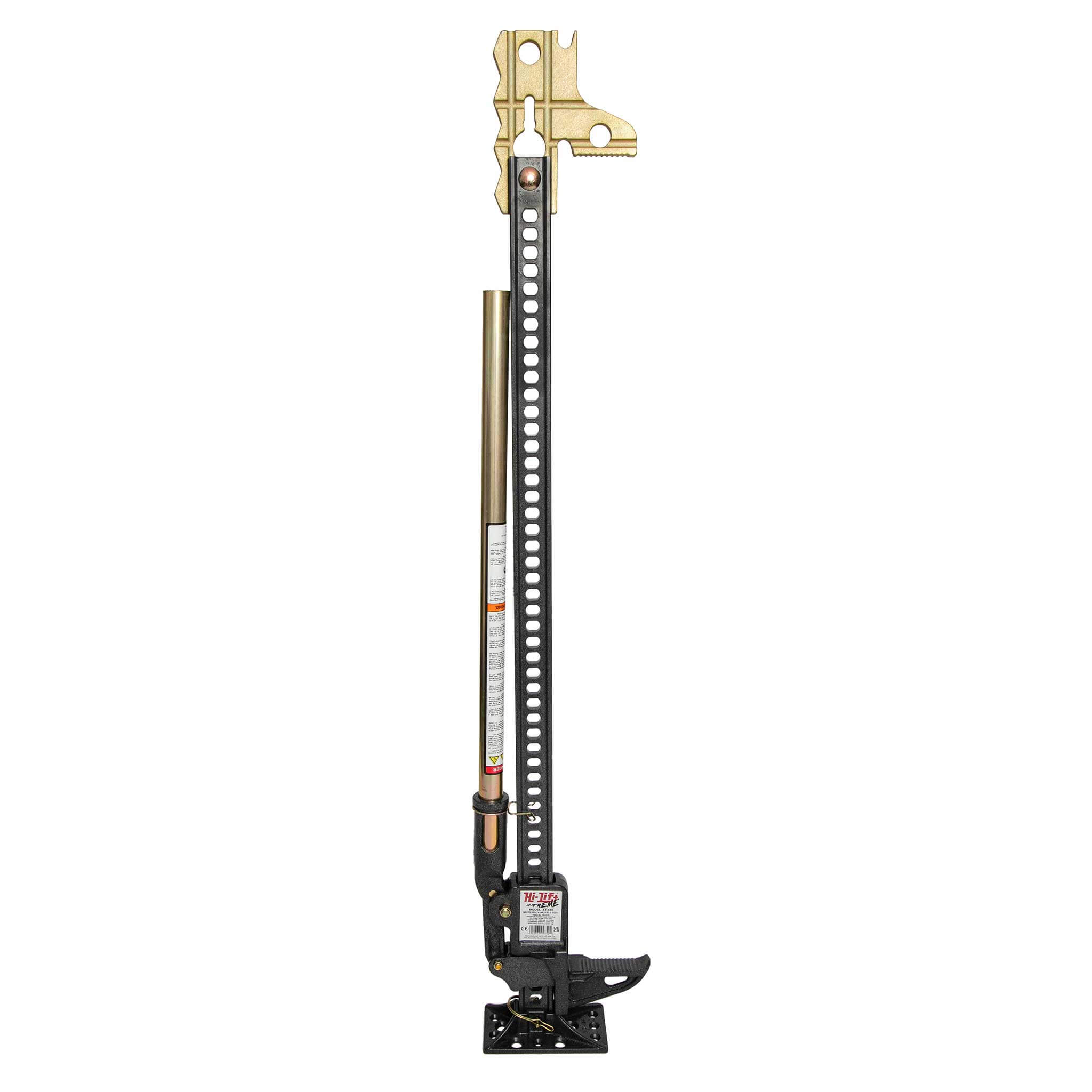
A Hi Lift jack is a versatile tool. It can lift, winch, clamp, and spread. When your Jeep gets stuck or you need to change a tire, a Hi Lift jack can help—especially if your Jeep has a lifted suspension or oversized tires. But not all Hi Lift jacks are the same. They come in different sizes, usually measured in inches (the height of the jack).
Using the wrong size jack can cause:
- Unsafe lifting positions
- Difficulty storing the jack
- Unnecessary extra weight
Understanding what size you really need will save you trouble later.
Common Hi Lift Jack Sizes
Hi Lift jacks usually come in these sizes:
| Jack Size | Max Lift Height | Weight | Popular Use |
|---|---|---|---|
| 36 inch | 27 inches | 22 lbs | Compact Jeeps, Storage |
| 42 inch | 34 inches | 27 lbs | Moderate Lifts |
| 48 inch | 38.5 inches | 30 lbs | Most Jeeps, Off-road |
| 60 inch | 48 inches | 35 lbs | Extreme Off-road, Trucks |
The 48 inch Hi Lift is the most popular for Jeep owners. It provides enough height for most off-road situations, but isn’t too heavy or hard to store.

How To Choose The Right Hi Lift Jack Size
Consider these factors before buying:
1. Jeep Suspension Lift And Tire Size
If your Jeep is stock (factory height), a 36 inch or 42 inch jack is usually enough. If you have a lift kit and big tires (33”+), you may need a 48 inch jack.
| Suspension Lift | Tire Size | Recommended Jack Size |
|---|---|---|
| Stock | Up to 31” | 36”–42” |
| 2–3” lift | 32”–33” | 42”–48” |
| 4”+ lift | 35”+ | 48”–60” |
Insight: Many beginners forget that a jack’s max lift height isn’t the same as its total length. You usually need less lifting height than you think, because the suspension will “droop” as you lift the body.
2. Jeep Model And Weight
Heavier Jeeps or those with steel bumpers may need a larger jack for stability. Light, two-door models can use smaller jacks.
Always check your Jeep’s weight against the jack’s rated capacity (usually 4,660 lbs for Hi Lift jacks).
3. Storage Space
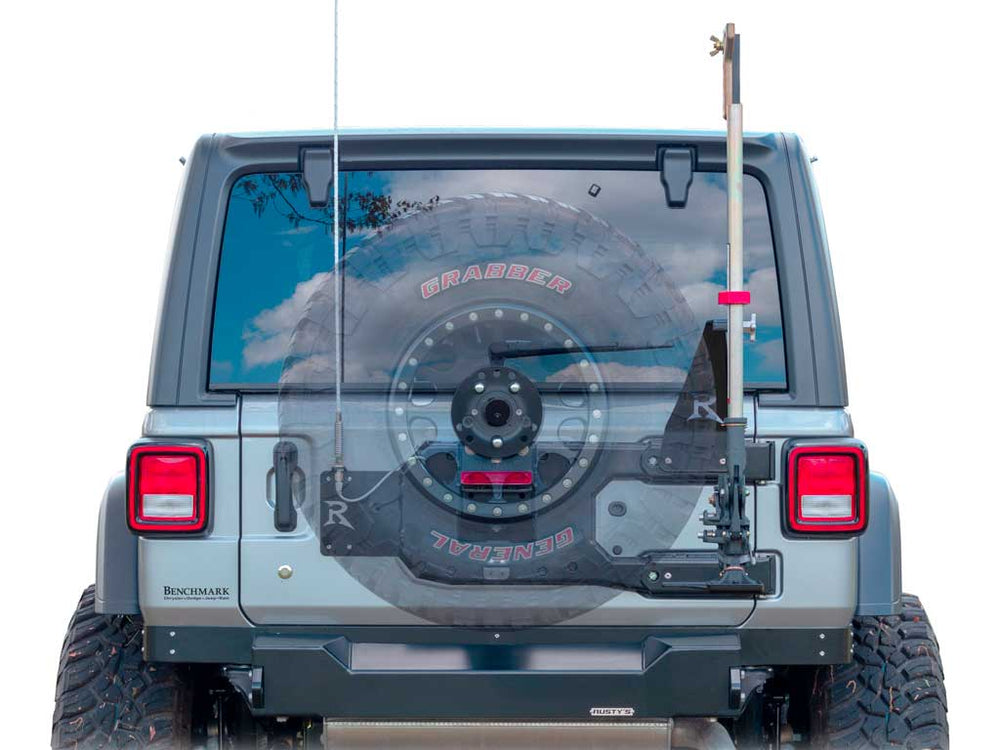
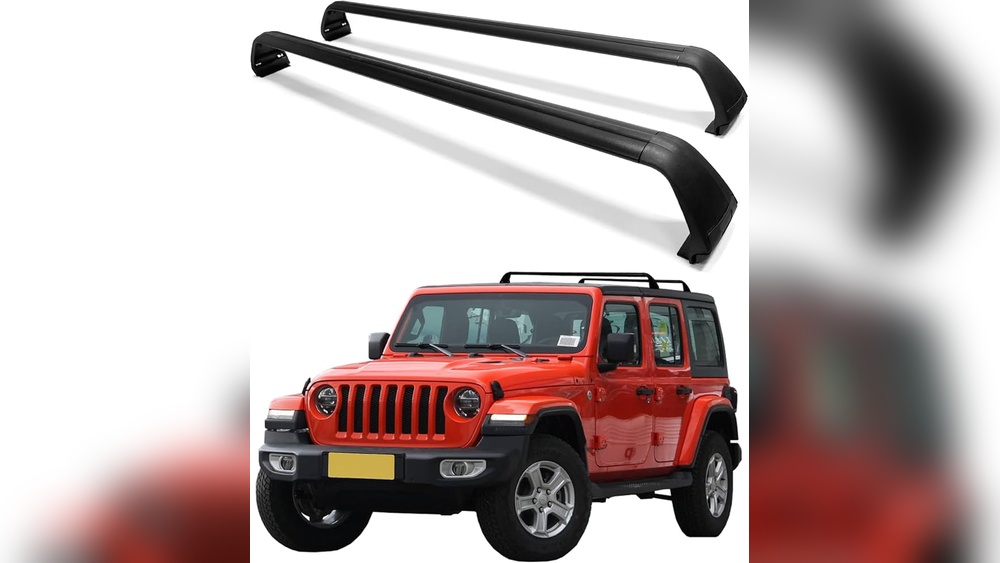
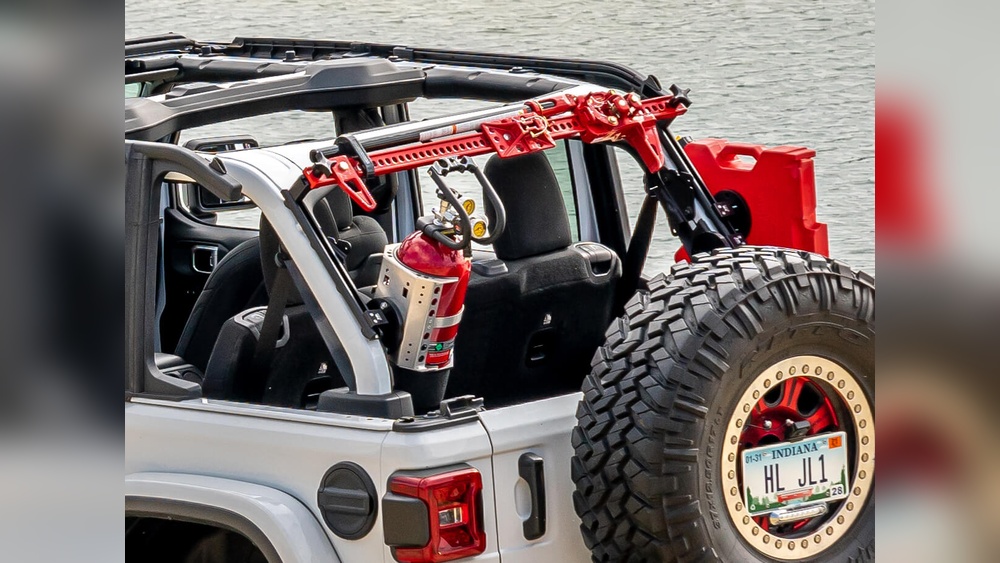
A 60 inch jack may sound great, but it’s hard to store inside a Jeep. The 48 inch version often fits on roof racks, bumpers, or even inside with seat modifications. Smaller jacks are easier to carry, but may not be enough for lifted Jeeps.
Practical Tip: Always measure your storage location before buying. Many Jeep owners end up leaving the jack at home because it’s too big to fit comfortably.
4. Type Of Off-roading
If you mostly do mild trails, a 36 inch or 42 inch jack is enough. For hardcore rock crawling or mud, a 48 inch jack is safer.
Non-Obvious Insight: You rarely use the full height of a 60 inch jack unless you’re in deep mud or sand, or have extremely modified vehicles.
Pros And Cons Of Each Hi Lift Jack Size
| Jack Size | Pros | Cons |
|---|---|---|
| 36 inch | Light, easy to store, enough for stock Jeeps | Not enough for lifted or large-tire Jeeps |
| 42 inch | Good compromise, more height, still portable | Can be tight for bigger lifts |
| 48 inch | Most versatile, fits most Jeeps, enough height | Heavier, needs smart storage |
| 60 inch | Extreme situations, multi-use | Hard to store, heavy, overkill for most |
Common Mistakes When Choosing A Hi Lift Jack
- Buying the biggest jack “just in case.” It adds weight and takes up space.
- Ignoring storage options. Measure before you buy.
- Not matching to suspension lift. Too-short jack can’t lift wheels off the ground.
- Not considering jack base stability. Tall jacks can be dangerous if not used carefully.
- Forgetting about accessories. You may need a jack base or lift-mate for safe use.
Accessories That Make A Difference
- Jack base: Helps on sand or soft ground.
- Lift-mate: Allows you to lift from the wheel, useful on lifted Jeeps.
- Protective cover: Keeps the jack clean and rust-free.
These add-ons can be more important than the jack size itself for safety and effectiveness.
Final Recommendations
For most Jeep owners, especially those with mild to moderate lifts, a 48 inch Hi Lift jack is the best all-around choice. It gives enough lifting height for off-road recovery, works with most storage solutions, and is not too heavy to handle. If you have a factory-height Jeep or need to save space, a 36 inch or 42 inch model will work. Only choose a 60 inch jack if you know you’ll face extreme recovery situations and have a way to store it securely.
Always remember: using a Hi Lift jack is risky if you’re not trained. Practice in a safe area before heading off-road. For more detailed safety tips, check out the official Hi Lift safety guide.
Frequently Asked Questions
What Is The Most Common Hi Lift Jack Size For Jeeps?
The 48 inch Hi Lift jack is the most popular for Jeep owners. It balances lifting height, weight, and ease of storage for most Jeep models.
Can I Use A 36 Inch Hi Lift Jack On A Lifted Jeep?
A 36 inch jack may be too short for Jeeps with large tires or a lift kit. It’s better for stock or slightly modified Jeeps.
How Much Weight Can A Hi Lift Jack Handle?
Most Hi Lift jacks have a rated capacity of 4,660 lbs, which is enough for all Jeep models. Never exceed this limit for safety.
Where Is The Best Place To Store A Hi Lift Jack In A Jeep?
Common storage spots include roof racks, rear bumpers, or inside on special mounts. Always secure the jack to prevent movement during driving.
Do I Need Any Accessories With My Hi Lift Jack?
Yes, a jack base and lift-mate are recommended for stability and safe lifting, especially on soft ground or with lifted Jeeps.