A Jeep Wrangler is an adventure icon, famous for its off-road abilities and rugged look. But many owners wonder: What size camper can a Jeep Wrangler tow?
If you’re hoping to take your Wrangler camping, knowing its towing limits is essential. Let’s explore the facts, compare numbers, and help you find the right camper for your Jeep.
Jeep Wrangler Towing Capacity: The Numbers
The towing capacity of a Jeep Wrangler depends on its model, engine, and whether it’s a two-door or four-door version.
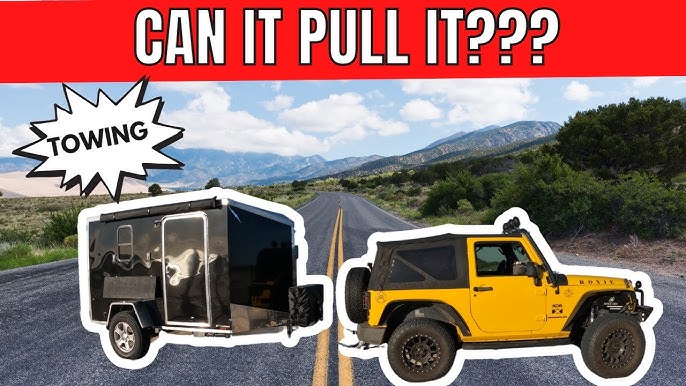
- 2-door Jeep Wrangler: Maximum tow rating is 2,000 lbs.
- 4-door Jeep Wrangler Unlimited: Maximum tow rating is 3,500 lbs.
These numbers come from Jeep’s official specs. Always check your Wrangler’s manual for the exact limit because options like heavy-duty axles or tow packages can affect the rating.
Here’s a quick comparison:
| Jeep Wrangler Model | Max Tow Capacity (lbs) |
|---|---|
| 2-door | 2,000 |
| 4-door Unlimited | 3,500 |
Key Insight: Many beginners overlook the importance of the *loaded* weight. Always consider the camper’s weight with gear, water, and supplies—not just the empty weight.
Types Of Campers You Can Tow
Jeep Wranglers are not designed for huge campers. But several types fit their towing limits:
- Teardrop Trailers: Usually weigh 1,000–2,000 lbs. These are compact, easy to tow, and have basic sleeping and kitchen spaces.
- Pop-Up Campers: Often range from 1,200–2,500 lbs. They fold down small but expand to offer more space. Some models with full features may exceed 3,500 lbs, so check carefully.
- Small Travel Trailers: Some lightweight models weigh under 3,500 lbs, but most are heavier. Look for “ultra-light” versions if you own the 4-door Unlimited.
- A-Frame Campers: These are hard-sided pop-ups, usually around 1,500–2,000 lbs.
Here’s how common camper types compare:
| Camper Type | Typical Weight Range (lbs) | Fits 2-door? | Fits 4-door? |
|---|---|---|---|
| Teardrop Trailer | 1,000–2,000 | Yes | Yes |
| Pop-Up Camper | 1,200–2,500 | Yes (smaller models) | Yes |
| Small Travel Trailer | 2,500–3,500 | No | Yes (lighter models) |
| A-Frame Camper | 1,500–2,000 | Yes | Yes |
Non-obvious Tip: Some campers advertise a “dry weight” that’s much lower than the real camping weight. Always add 300–500 lbs for water, food, and gear.
Key Factors When Choosing A Camper
Picking the right camper isn’t just about weight. Consider these points:
- Tongue Weight: This is the weight the trailer puts on your Jeep’s hitch. It should be 10–15% of the trailer’s weight. For a 3,500 lb trailer, aim for 350–525 lbs.
- Wind Resistance: Tall, boxy campers create drag. They make towing harder, especially for Wranglers with modest power.
- Braking: If your camper is over 1,500 lbs, choose one with its own brakes. This helps your Jeep stop safely.
- Hitch Type: Use a Class II or III hitch rated for your camper’s weight.
- Loaded Weight: Always include passengers, gear, water, and propane tanks.
Here’s a summary of what matters:
| Factor | Why It Matters |
|---|---|
| Tongue Weight | Too much weight can overload rear suspension |
| Braking | Trailer brakes are safer for heavy campers |
| Wind Resistance | High drag reduces power and fuel efficiency |
| Loaded Weight | Real-world towing is always heavier than “dry” specs |
Beginners often forget: The towing capacity includes everything in the Jeep and the camper. If your Jeep is loaded with passengers and gear, you may need to subtract their weight from your camper’s maximum.
Real-world Examples
Let’s see what campers fit each Wrangler.
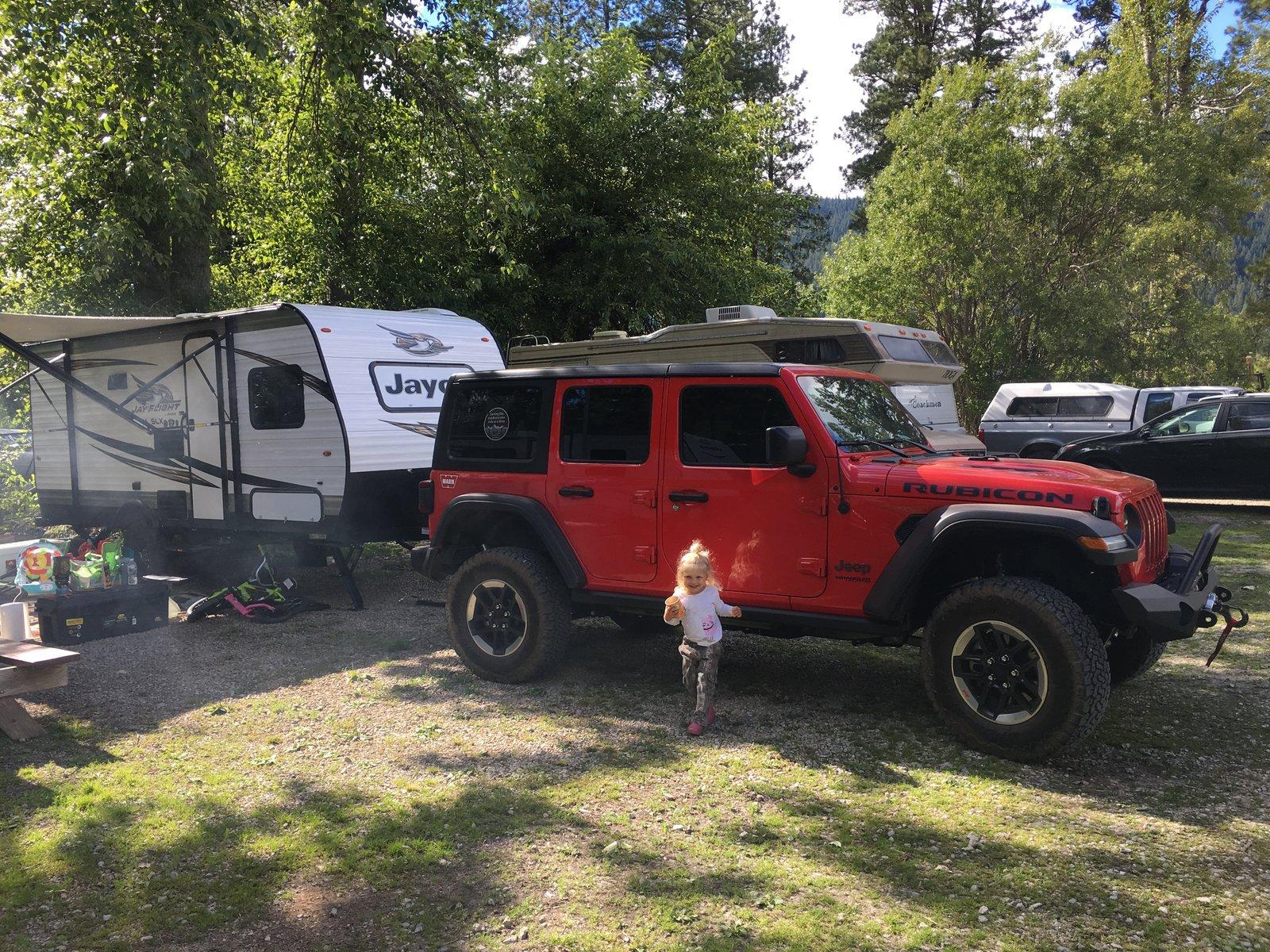
- 2-door Wrangler: The nuCamp Tag teardrop trailer weighs 1,300 lbs dry, about 1,600 lbs loaded. Perfect fit.
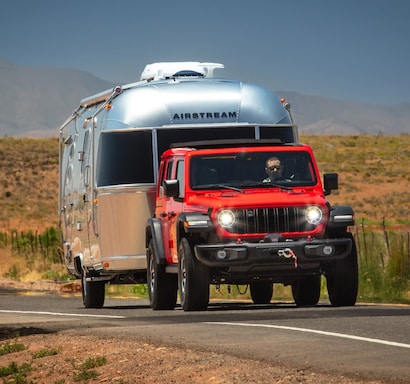
- 4-door Wrangler Unlimited: The Forest River R-Pod 180 weighs 2,800 lbs dry, around 3,300 lbs loaded. Still within limits, but close to max.
Owners often recommend staying 20% below max tow rating for comfort and safety. For the 2-door, aim for 1,600 lbs; for the Unlimited, try 2,800 lbs loaded.
Common Mistakes To Avoid
Many Jeep owners make errors when towing campers:
- Ignoring loaded weight: They use dry weight numbers and overload their Jeep.
- Skipping brake upgrades: Towing without trailer brakes risks accidents.
- Buying oversized campers: Even if weight fits, big campers can sway and stress your Jeep.
- Not checking hitch rating: Using a weak hitch can cause failure.
- Underestimating wind drag: High-profile campers slow your Jeep and use more fuel.
Pro tip: Do a test drive with the camper loaded before any long trip. It helps you feel how your Jeep handles the extra weight.
Frequently Asked Questions