Driving a Jeep Cherokee gives you the freedom to explore city streets and rugged trails. But before you hit the road, one important detail can make a big difference in how your Cherokee handles, brakes, and even uses fuel: tire pressure.
Many drivers overlook this simple step, but the right pressure keeps your ride safe, smooth, and efficient.
Recommended Tire Pressure For Jeep Cherokee
The exact tire pressure for a Jeep Cherokee depends on your model year, tire size, and load. Most modern Jeep Cherokees recommend 33 PSI (pounds per square inch) for both front and rear tires when cold. However, this number can vary:
| Model Year | Standard Tire Size | Recommended PSI |
|---|---|---|
| 2014–2024 | 225/65R17, 245/65R17 | 33 |
| 2011–2013 | 225/60R17 | 32–33 |
| Earlier Models | Varies | 30–36 |
Always check the sticker on the driver’s door jamb or your owner’s manual. The number there is set by Jeep engineers for the best balance of comfort, safety, and fuel efficiency.
Why Proper Tire Pressure Matters
Having the correct tire pressure does more than just keep your tires round. Here’s why it’s so important:
- Safety: Underinflated tires can overheat and fail, while overinflated tires reduce grip.
- Fuel Efficiency: Correct pressure can improve your gas mileage by up to 3%.
- Handling: The right PSI gives you better steering, braking, and cornering.
- Tire Life: Properly inflated tires wear evenly and last longer.
Many drivers don’t realize that even a small drop in PSI can affect performance. For example, a tire that’s just 5 PSI under the recommendation can increase stopping distance and reduce control—especially in emergency situations.
How To Check And Adjust Tire Pressure
Checking your Jeep Cherokee’s tire pressure is easy and takes just a few minutes:
- Wait until your tires are “cold.” This means the car hasn’t been driven for at least three hours.
- Use a tire pressure gauge—digital or manual both work well.
- Remove the valve cap and press the gauge onto the valve stem.
- Read the PSI and compare it to your recommended number.
- Add or release air as needed, then check again.
- Replace the valve cap.
Most gas stations have air pumps, but their gauges aren’t always accurate. Investing in a personal gauge gives you more reliable results.
Special Tips
- Check all four tires—sometimes one will be lower than the rest.
- Don’t forget the spare tire; it often gets ignored until it’s needed.
- Seasonal changes affect PSI. Cold weather can drop pressure by 1 PSI for every 10°F decrease.
Tire Pressure For Different Driving Conditions
Not all trips are the same. Sometimes, you might want to adjust your tire pressure for special situations.
| Driving Situation | Recommended Action |
|---|---|
| Normal City/Highway | Use factory recommended PSI |
| Off-Road | Lower PSI by 3–8 for better traction (return to normal before road driving) |
| Heavy Load/Towing | Increase PSI slightly, up to max listed on tire sidewall (never exceed) |
For off-road trips, lowering your tire pressure helps the tire “flex” and grip loose surfaces. Just remember to re-inflate when you return to paved roads to avoid tire damage and poor fuel economy.
Common Mistakes With Tire Pressure
Many Cherokee owners make simple errors when caring for their tires. Watch out for these:
- Only checking pressure once a year: Do it monthly, and before long trips.
- Setting PSI to the number on the tire sidewall: This is the maximum, not the recommended.
- Not adjusting for temperature: Hot or cold days can change your PSI.
- Ignoring slow leaks: Even a small nail can lower pressure over time.
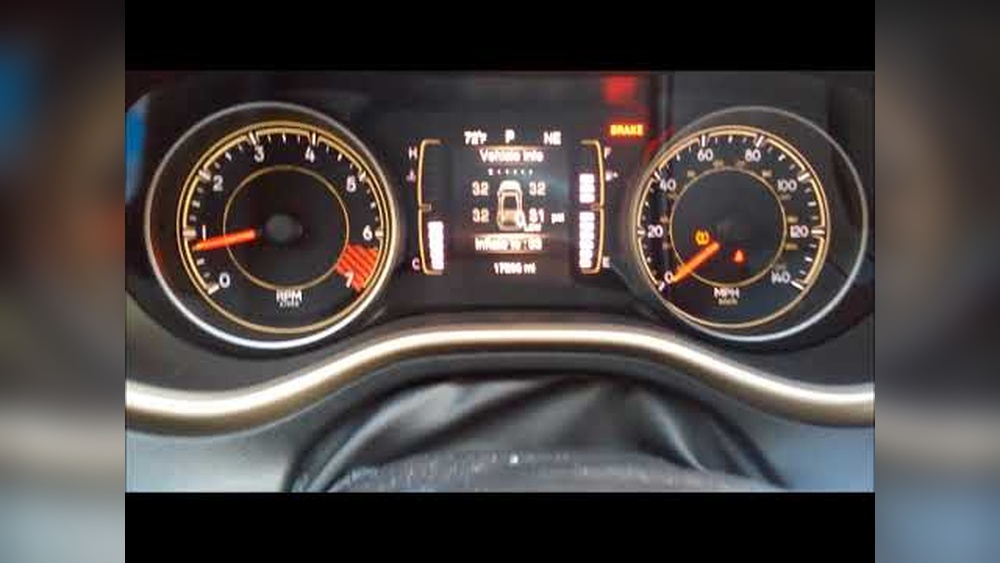
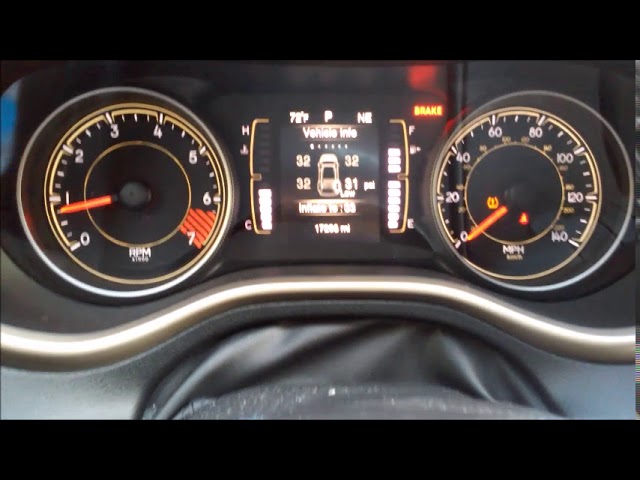
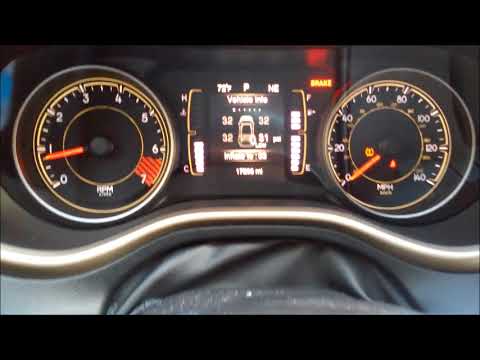
- Trusting the car’s TPMS (Tire Pressure Monitoring System) alone: The system may not alert you until the tire is several PSI low.
A less obvious tip: after rotating your tires, always re-check the pressure. Sometimes, uneven wear or past adjustments leave one tire off the mark.
Upgrading Tires Or Rims: What Changes?
If you switch to aftermarket wheels or different tire sizes, your recommended pressure may change. Larger or lower-profile tires often need a different PSI for safe operation.
Speak with a tire professional or consult the tire manufacturer’s guide. Don’t guess—incorrect pressure for non-standard tires can cause handling problems, poor mileage, and even void warranties.

Frequently Asked Questions
What Happens If I Overinflate My Jeep Cherokee’s Tires?
Overinflating makes tires stiffer, reducing the contact patch with the road. This can cause uneven wear, poor grip, and a rougher ride.
Stick to the recommended PSI for the best balance.
How Often Should I Check My Tire Pressure?
Check your tire pressure at least once a month and before long road trips. Seasonal changes are a good reminder, as temperature swings can affect PSI.
Can I Rely Only On The Tpms Warning Light?
The TPMS light only comes on when pressure is significantly low. It’s better to check manually with a gauge, as small drops in PSI often go unnoticed by the system.
Does Tire Pressure Affect My Jeep’s Fuel Economy?
Yes. Driving with tires just 5 PSI below the recommended level can reduce gas mileage by up to 8%. Proper inflation keeps your Cherokee running efficiently.
Where Can I Find The Correct Tire Pressure For My Jeep Cherokee?
Look for a sticker on the driver’s side door jamb or check your owner’s manual. For more details on tire care, visit the National Highway Traffic Safety Administration site.
Keeping your Jeep Cherokee’s tire pressure right is a simple step that pays off in safety, performance, and savings. Make it a habit, and you’ll enjoy every drive with confidence.