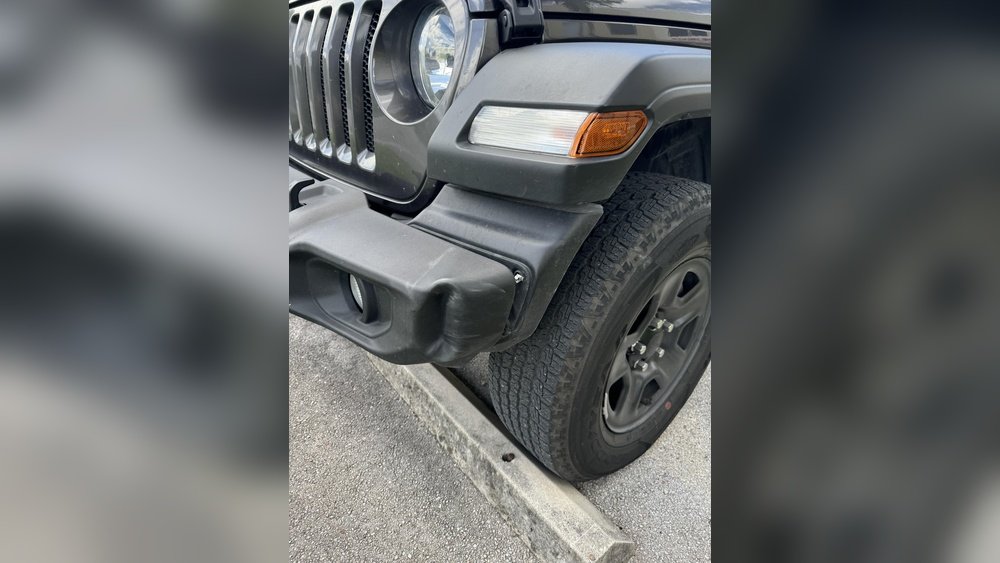
Owning a Jeep Wrangler is all about adventure and freedom. But every trip—whether off-road or on city streets—depends on one key detail: tire pressure.
Many drivers wonder, “What psi for Jeep Wrangler tires?” Setting the right psi is not just about comfort; it affects safety, handling, and even fuel economy.
Getting it wrong can mean poor traction, uneven wear, or even damage to your tires. Let’s break down everything you need to know, using clear examples and real numbers, so you can drive with confidence.
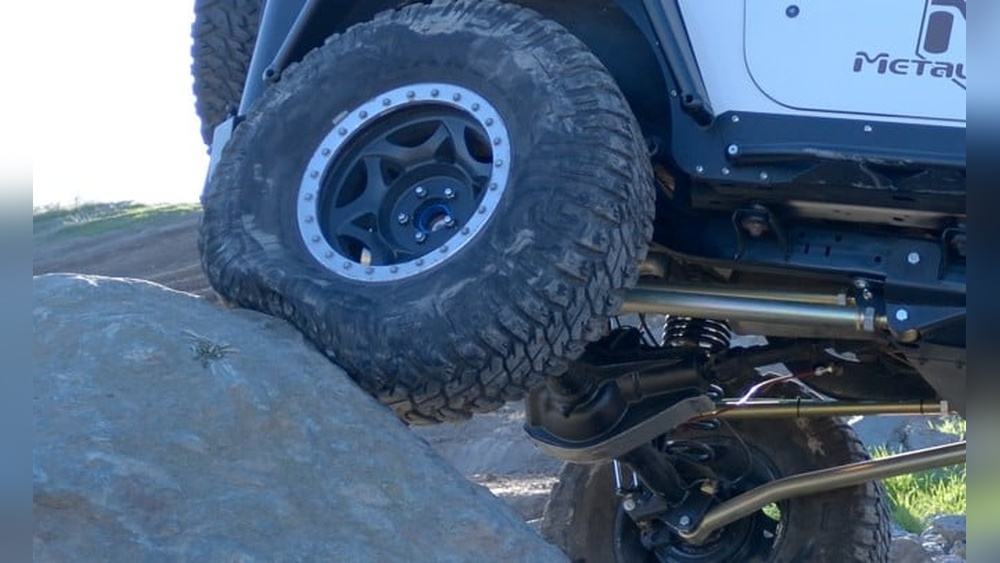
Recommended Tire Pressure For Jeep Wranglers
Most factory Jeep Wranglers recommend a tire pressure of 35 psi for standard tires on paved roads. However, this number can change based on your tire size, load, and driving conditions.
Here’s a quick overview for common Wrangler models:
| Model Year | Recommended psi (Front) | Recommended psi (Rear) |
|---|---|---|
| 2023 Wrangler (Stock Tires) | 35 psi | 35 psi |
| 2018 Wrangler JL | 36 psi | 36 psi |
| 2015 Wrangler JK | 35 psi | 35 psi |
Always check the sticker inside the driver’s door. This lists the exact psi for your Wrangler’s original tires. If you change tire sizes, adjust accordingly.
Why Tire Pressure Matters
Keeping your Jeep’s tires at the right psi is crucial. Here’s why:
- Safety: Low tire pressure increases risk of blowouts, especially at high speeds.
- Fuel Economy: Under-inflated tires use more fuel. Over-inflated tires can make your Jeep bounce and lose grip.
- Tire Wear: Wrong psi causes uneven wear, shortening tire life.
- Handling: Proper psi ensures good steering and braking, both on and off-road.
Many beginners overlook that even a 5 psi difference can impact these factors. For example, driving with 25 psi instead of 35 psi on the highway reduces control and eats up gas.
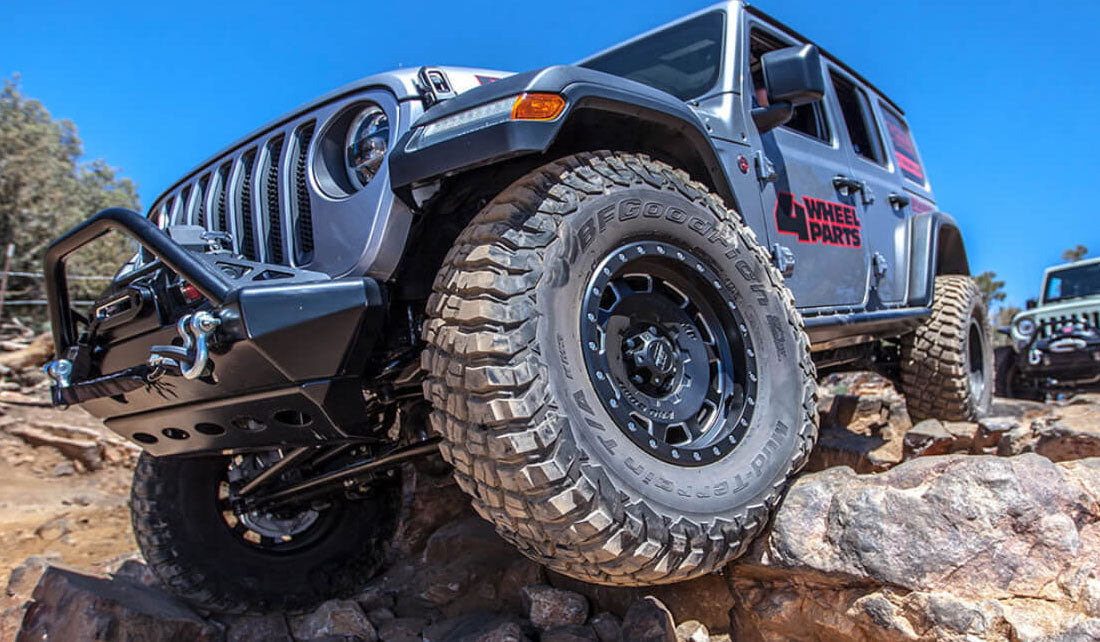
Tire Pressure For Off-roading
Jeep Wranglers are famous for off-road fun. But tire pressure rules change on rocks, sand, or mud.
Lower psi gives your tires a larger footprint, improving grip and comfort.
| Terrain | Recommended psi | Benefits |
|---|---|---|
| Rocks | 15–20 psi | Better traction and shock absorption |
| Sand | 12–16 psi | Prevents sinking, smooth ride |
| Mud | 15–18 psi | Improved grip, less spinning |
Always air up to road psi after off-roading, as low psi is unsafe for highways.
How To Adjust Tire Pressure
Changing psi is simple but requires the right tools:
- Check with a tire gauge: Always use a reliable gauge for accuracy.
- Adjust psi: Add air with a compressor or release air using a valve tool.
- Check all four tires: Differences between tires can cause pulling or uneven wear.
- Monitor regularly: Tires lose pressure over time, especially in cold weather.
A smart tip: buy a portable air compressor for your Jeep. This lets you air up after off-road trips—many forget this and drive home on low psi, which is risky.
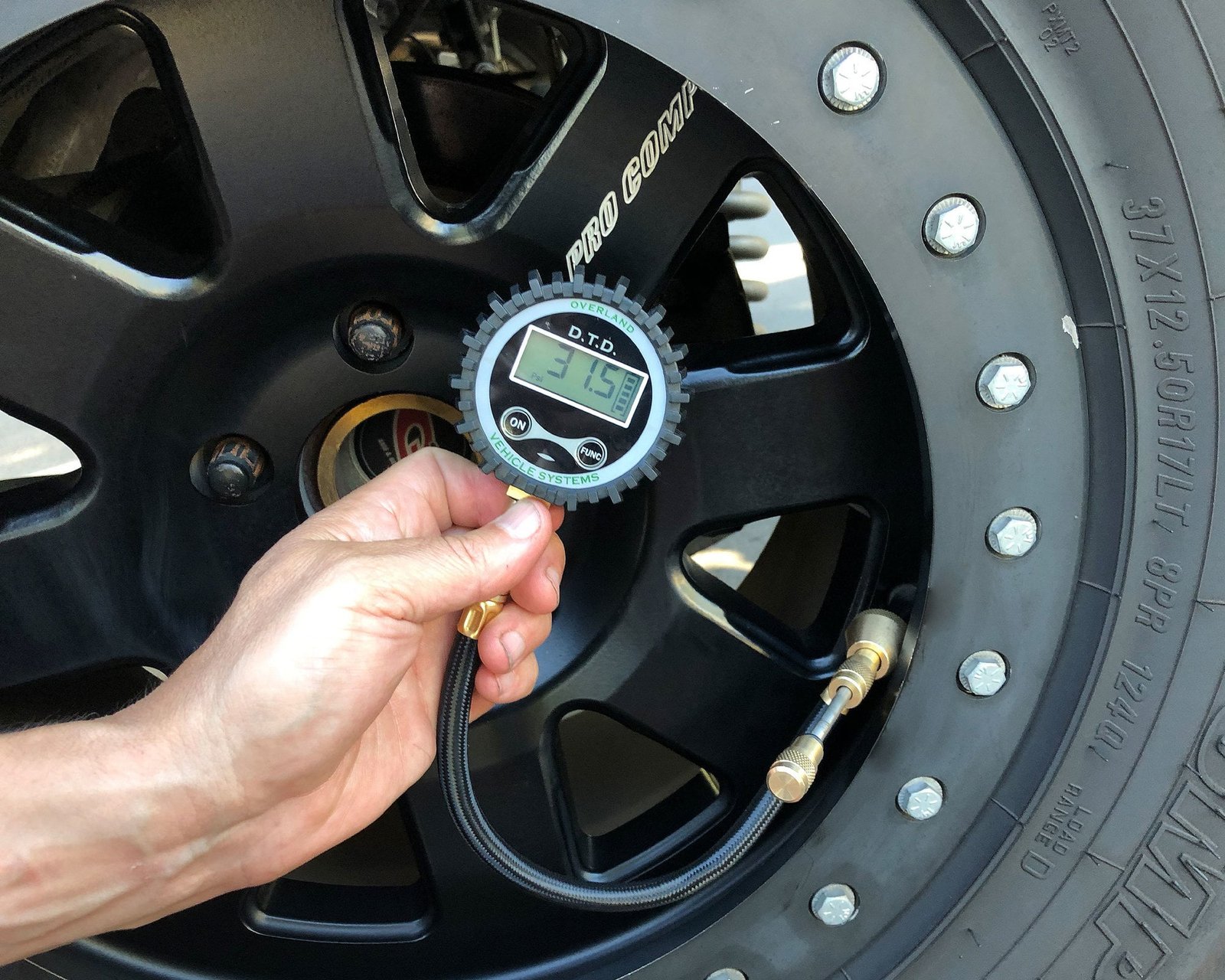
Choosing Tire Pressure For Aftermarket Tires
Many Jeep owners upgrade to larger tires for style or off-road performance. But bigger tires need different psi settings.
| Tire Size | Recommended psi | Notes |
|---|---|---|
| 33-inch | 28–32 psi | Lower than factory, improves wear |
| 35-inch | 26–30 psi | Adjust for load and usage |
| 37-inch | 24–28 psi | Check tire manufacturer’s guide |
Many beginners think bigger tires need more psi, but the opposite is true. Larger tires spread weight, so lower psi works better.
Always balance tire pressure for your Jeep’s weight and how you use it.
Common Mistakes To Avoid
- Ignoring the tire sticker: Always start with factory recommendations.
- Using same psi for all tire sizes: Adjust for aftermarket tires.
- Forgetting to air up after off-roading: Low psi is dangerous on highways.
- Neglecting regular checks: Tire pressure changes with temperature and usage.
- Trusting dashboard sensors only: Use a manual gauge for accuracy.
Many drivers rely on their Jeep’s TPMS (Tire Pressure Monitoring System) alone. But these sensors can be off by several psi. Always double-check.
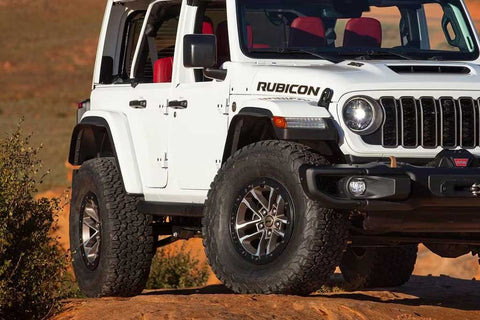
Real-world Examples
- A 2023 Wrangler owner with stock 35-inch tires found that keeping psi at 35 improved highway stability, but dropping to 17 psi made rock crawling easier.
- Another Jeep with aftermarket 37-inch tires performed best at 26 psi daily, but dropped to 14 psi for deep sand dunes.
These cases show that tire pressure is not one-size-fits-all. Adjust for your driving style, terrain, and tire choice.
Expert Insights
Many experts recommend setting psi based on load and tire size, not just factory numbers. For a fully loaded Jeep (cargo, passengers), add 2–3 psi. For solo trips, stick to the lower end. Cold weather also lowers psi, so check more often in winter.
A good resource for tire pressure science is the Tire Rack Tire Tech library.
Frequently Asked Questions
What Is The Best Psi For Jeep Wrangler Daily Driving?
For most stock Wranglers, 35 psi is ideal for daily driving. If you have aftermarket tires, check their sidewall or manufacturer guidelines.
Should I Lower Psi For Off-road Driving?
Yes. Lowering psi to 15–20 psi improves traction on rocks, sand, or mud. Always return to road psi before highway driving.
How Often Should I Check My Jeep’s Tire Pressure?
Check at least once a month, and before any long trip or off-road adventure. Cold weather can lower psi faster.
What Happens If My Tire Pressure Is Too Low?
Low psi causes poor handling, more tire wear, and can lead to blowouts. It also lowers fuel efficiency.
Can I Use The Same Psi For All Tire Sizes?
No. Larger tires need lower psi. Always follow tire manufacturer recommendations or ask a tire expert.
Getting your Jeep Wrangler’s tire pressure right means safer, smoother driving—on any terrain. Pay attention to psi, check often, and adjust for your tires and adventures.
This small detail can make every trip better, and help your Wrangler last longer.