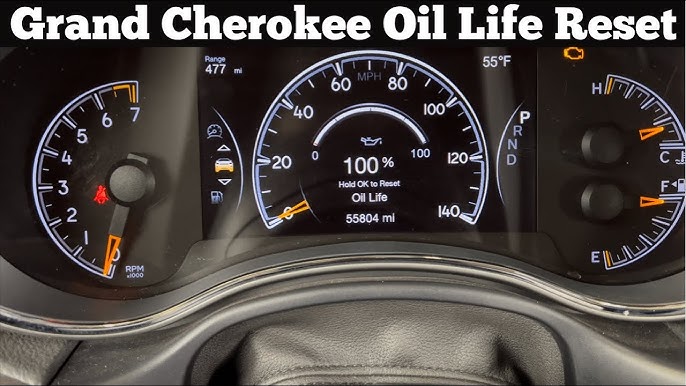
If you drive a Jeep, you’ve probably seen the oil life percentage on your dashboard. This number can feel confusing.
Should you wait until it hits 0% before changing your oil? Or should you act sooner?
The answer matters because your engine’s health—and your Jeep’s performance—depend on regular oil changes. Let’s break down what the oil life percentage really means, when to change your oil, and how to get the most from your Jeep’s maintenance system.
What Is Oil Life Percentage?
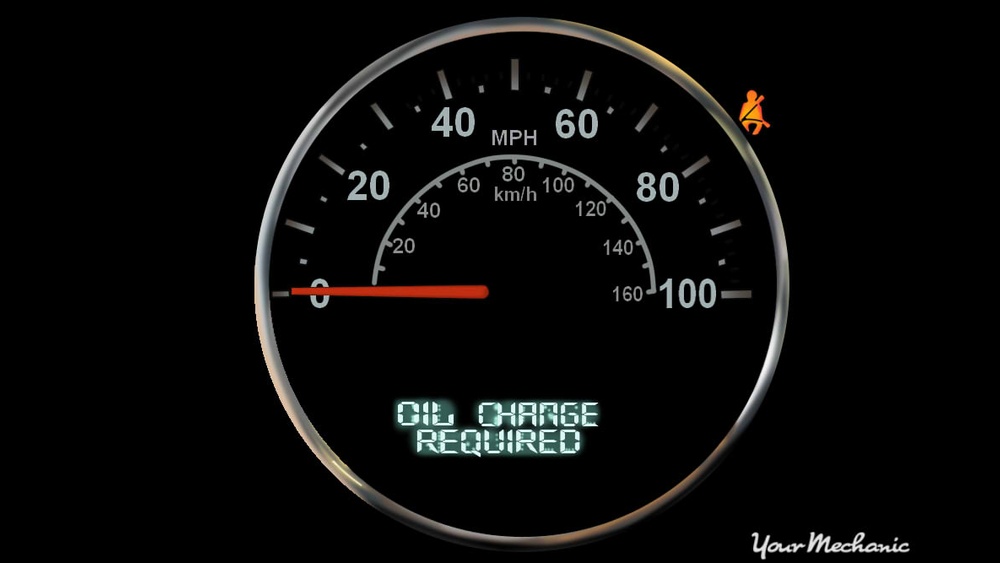
Oil life percentage is a feature in many modern Jeeps. It’s not a simple timer. Instead, it uses data from your driving patterns—like engine temperature, speed, trip length, and even weather conditions—to estimate how much useful life is left in your engine oil. When you see a number like 60%, that means your oil is still about 60% effective.
Some drivers think the oil life percentage is just about miles driven, but it’s smarter than that. For example, if you take frequent short trips or drive in very hot or cold weather, the percentage will drop faster than if you cruise smoothly on highways.
When Should You Change Oil In Your Jeep?
Most Jeep experts recommend changing your oil when the oil life percentage drops to 15%–20%. This range gives you time to plan your oil change before the oil becomes too degraded. Waiting until 0% is risky—you could be driving with oil that no longer protects your engine.
Typical Oil Life Percentages And What They Mean
Here’s a quick breakdown:
| Oil Life % | What It Means | Action Needed |
|---|---|---|
| 100%–50% | Oil is in good condition | No action needed |
| 49%–21% | Oil is aging | Plan oil change soon |
| 20%–6% | Oil is near end of life | Schedule oil change |
| 5%–0% | Oil is worn out | Change oil immediately |
Key insight: Even if your oil life says 10%, it doesn’t mean your oil is gone. It means you should not delay any longer.
How Jeep Calculates Oil Life
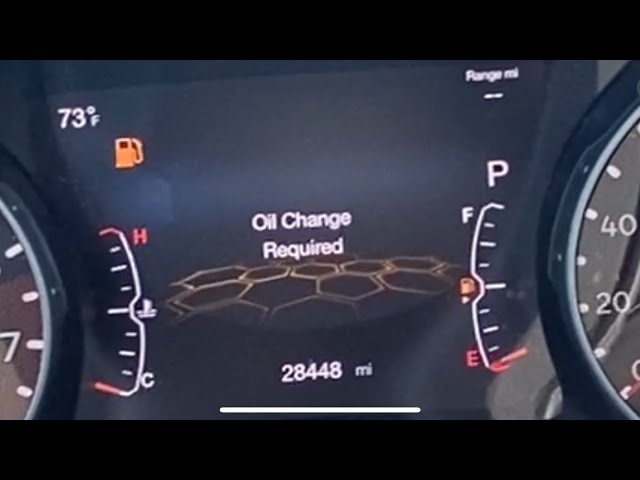
Many Jeep models use an oil life monitoring system. This system uses sensors and algorithms. It looks at:
- Engine revolutions (how much work the engine does)
- Temperature extremes
- Driving habits (short trips vs. highway)
- Idle time
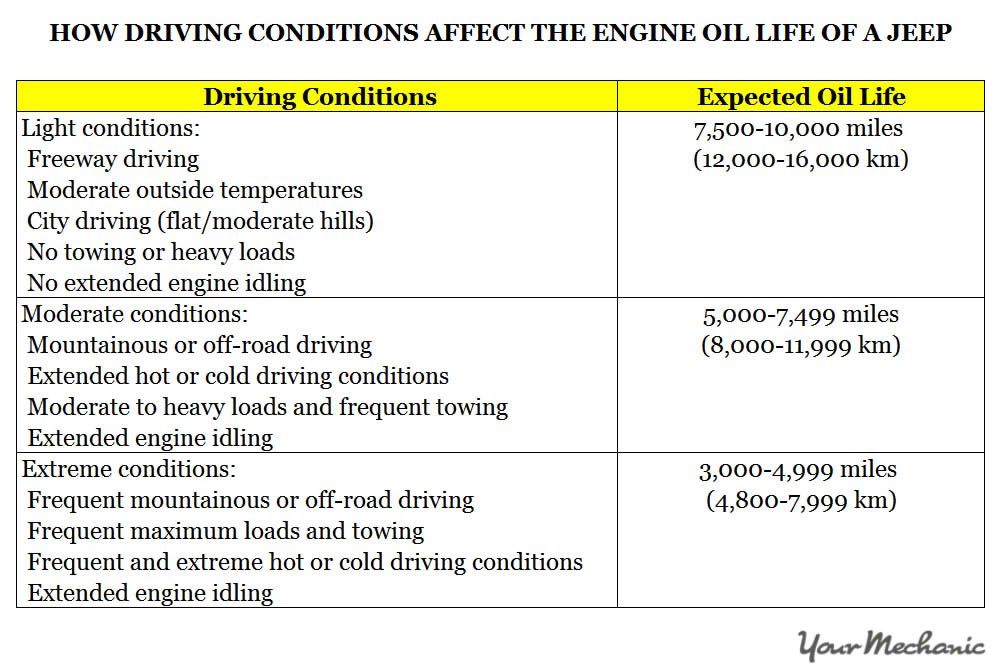
This data is more accurate than a simple mileage reminder. For example, if you mostly drive in stop-and-go city traffic, your oil wears out faster than if you drive on the highway.
| Driving Condition | Effect on Oil Life |
|---|---|
| Short trips (under 5 miles) | Oil life decreases quickly |
| Highway driving | Oil lasts longer |
| Hot or cold weather | Oil life decreases |
| Towing/hauling | Oil life decreases quickly |
Why Not Wait For 0% Oil Life?
It’s tempting to squeeze every mile from your oil. But running your engine until the oil life hits 0% increases wear and tear.
Old oil can’t lubricate, cool, or clean your engine well. Over time, this can cause damage and expensive repairs.
Non-obvious insight: Jeep’s system is designed with a safety buffer. Even at 0%, your oil isn’t completely useless, but it is at the end of its safe lifespan. Changing oil at 15–20% means you’re not gambling with your engine’s future.
How Often Should You Check Oil Life?
Check your oil life percentage every few weeks or before any long trip. Don’t rely only on the dashboard reminder. Sometimes, the sensor can miss issues like a sudden oil leak or a faulty oil filter. It’s wise to check the oil level and look at the oil color on the dipstick too. Clean oil is usually amber. If it’s dark or gritty, consider changing it sooner.
Types Of Oil And Their Impact
The type of oil you use—conventional, synthetic blend, or full synthetic—also affects oil life. Full synthetic oils usually last longer and protect better, especially in extreme conditions. Some Jeep models require synthetic oil for warranty reasons.
| Oil Type | Typical Change Interval | Best For |
|---|---|---|
| Conventional | 3,000–5,000 miles | Older Jeeps, light driving |
| Synthetic Blend | 5,000–7,500 miles | Mixed driving |
| Full Synthetic | 7,500–10,000 miles | Modern Jeeps, tough conditions |
Non-obvious insight: Even with synthetic oil, don’t ignore the oil life percentage. Synthetic oil resists breakdown, but dirt and moisture can still reduce its effectiveness.
Common Mistakes Jeep Owners Make
- Ignoring the oil life system and using only mileage as a guide.
- Delaying oil changes until the warning light is on.
- Using the wrong oil type for their Jeep model.
- Not resetting the oil life indicator after an oil change, leading to confusing reminders.
To avoid these mistakes, always follow your Jeep’s manual, and trust the oil life percentage as a smart guide.
Practical Tips For Jeep Oil Changes
- Change your oil at 15%–20% oil life for best engine protection.
- Use the oil type recommended by Jeep.
- Reset your oil life monitor after every oil change.
- Watch for oil leaks or sudden drops in oil level.
- Keep records of oil changes for warranty and resale value.
For more detailed information, visit the official Jeep Maintenance page.
Frequently Asked Questions
What Happens If I Change My Oil Before The Oil Life Reaches 0%?
Changing oil early is safe and may improve engine longevity. It ensures your engine always has fresh, effective oil.
Can I Trust The Oil Life Percentage In My Jeep?
Yes, the system is accurate for most drivers. However, always check oil levels and look for leaks or abnormal oil color as well.
Does Oil Type Affect The Oil Life Percentage?
The oil life system adjusts for different oil types. Full synthetic oil usually means a longer time between changes.
Do I Need To Reset The Oil Life Monitor After Every Oil Change?
Yes. If you don’t reset it, the system will give incorrect reminders and could confuse you about when the next oil change is due.
Is Waiting For 0% Oil Life Bad For My Jeep?
Yes, waiting too long increases engine wear. Change oil at 15%–20% to protect your engine and avoid costly repairs.
Taking care of your Jeep’s oil change at the right time isn’t just good maintenance—it’s smart ownership. Use the oil life percentage as your guide, but don’t forget regular checks and the right oil. Your Jeep—and your wallet—will thank you.