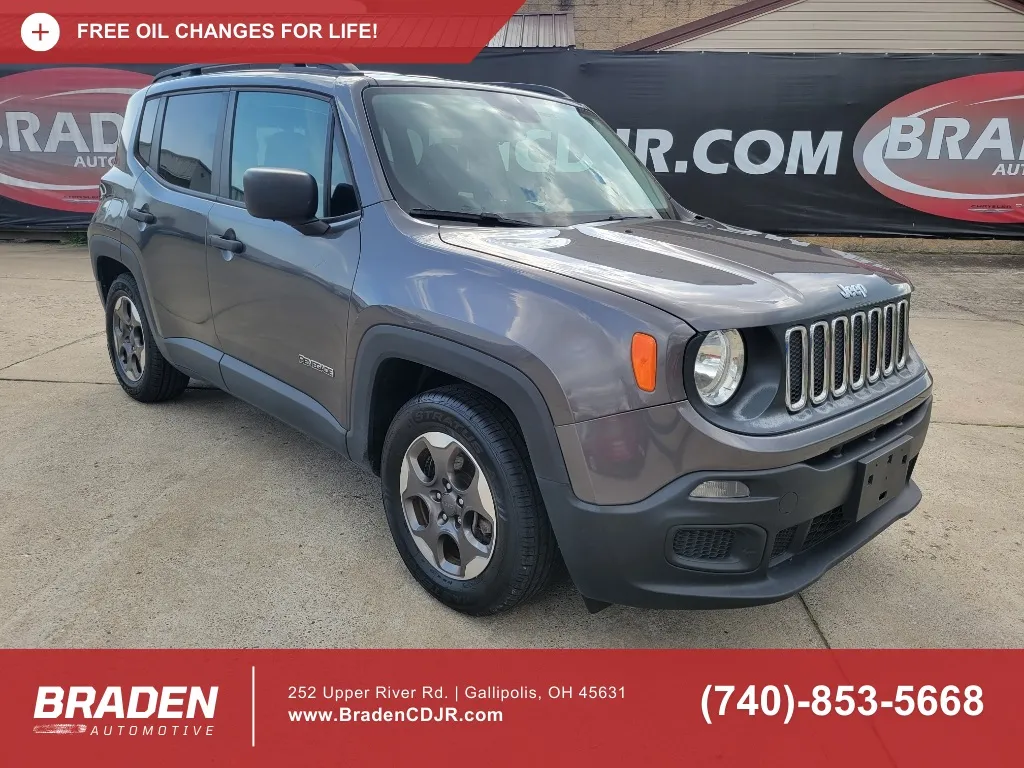
If you drive a 2017 Jeep Renegade, choosing the right oil is vital for your car’s health and performance. Many owners feel confused when it’s time for an oil change, especially with so many oil types and brands on the market.
Using the correct oil can help your engine last longer, improve fuel economy, and even prevent costly repairs. In this article, you’ll learn exactly which oil your 2017 Jeep Renegade needs, why it matters, and how to make the best choice for your driving style and climate.
The Recommended Oil For 2017 Jeep Renegade
The 2017 Jeep Renegade comes with different engines, so oil requirements can vary. Most models come with either a 2.4L Tigershark engine or a 1.4L MultiAir Turbo engine. Here’s what each engine needs:

- 2.4L Tigershark: Use SAE 0W-20 full synthetic oil.
- 1.4L MultiAir Turbo: Use SAE 5W-40 full synthetic oil.
Full synthetic oil is highly recommended because it offers better protection, especially in extreme temperatures. It also resists breakdown, meaning your engine stays cleaner for longer.
Why Full Synthetic Oil?
Full synthetic oil provides superior engine protection. It flows better at cold temperatures and protects better at high temperatures than conventional oil. For modern engines like those in the Jeep Renegade, synthetic oil helps reduce engine deposits and wear, which is key for long-term reliability.
Oil Capacity And Change Intervals
Knowing how much oil to use is just as important as choosing the right type. Here’s a quick look:
| Engine Type | Oil Capacity (with filter) | Recommended Oil |
|---|---|---|
| 2.4L Tigershark | 5.5 quarts (5.2 liters) | SAE 0W-20 Full Synthetic |
| 1.4L MultiAir Turbo | 4 quarts (3.8 liters) | SAE 5W-40 Full Synthetic |
For most drivers, Jeep recommends changing the oil every 7,500 to 10,000 miles or at least once a year. However, if you drive in harsh conditions—such as extreme heat, cold, or dusty roads—change it more often, about every 5,000 miles.

Choosing The Best Oil Brand
Many oil brands meet Jeep’s standards, but a few stand out:
- Mopar: The official oil for Jeep vehicles. Using Mopar ensures you meet all warranty requirements.
- Mobil 1: Known for excellent engine protection.
- Pennzoil Platinum: Used by many Jeep dealerships.
- Castrol Edge: Popular for high-mileage engines.
Any major brand that meets API SN or higher and matches the viscosity grade is safe. Always check the label for Jeep or Chrysler approvals.
Synthetic Vs. Conventional Oil
You might wonder if you can use conventional oil to save money. For the 2017 Jeep Renegade, synthetic oil is required, not just recommended. Conventional oil can break down faster and doesn’t protect turbocharged engines as well. Using the wrong oil may even void your warranty.
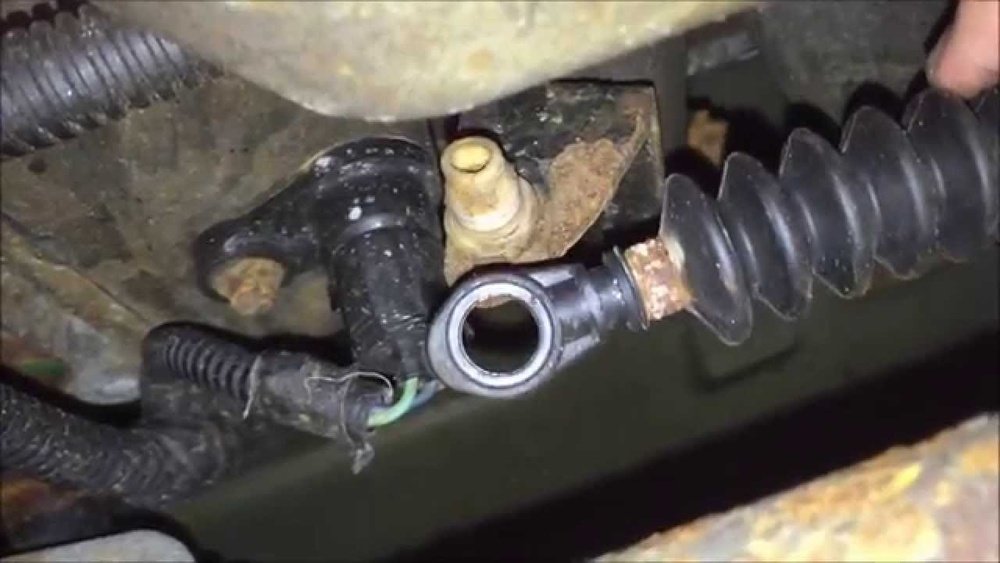
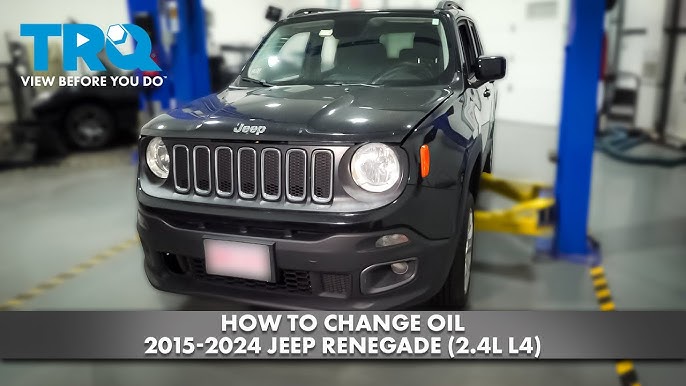
How To Change Oil In The 2017 Jeep Renegade
If you want to change the oil yourself, follow these key steps:
- Park on a level surface and let the engine cool.
- Remove the oil fill cap and drain plug.
- Let the old oil drain completely.
- Replace the oil filter.
- Reinstall the drain plug and fill with the correct amount and type of new oil.
- Start the engine and check for leaks.
Tip: Always dispose of used oil properly at a recycling center.
Oil Filter Recommendations
A good oil filter is important for trapping dirt and keeping your oil clean. For the 2017 Jeep Renegade:
- 2.4L engine: Mopar part number 68191349AC or equivalent
- 1.4L turbo: Mopar part number 55273894AA or equivalent
Stick to OEM (original equipment manufacturer) filters or high-quality aftermarket options.
Climate And Driving Conditions
The recommended oil viscosity is designed to work in most US climates. However, if you live in an area with extreme cold (below -20°F), you may need to warm up your engine longer. For very hot climates, stick with synthetic oil to prevent breakdown.
Two Insights Most Owners Miss
- Short trips can be hard on your oil. If you make frequent short drives, your oil may age faster because the engine does not get hot enough to burn off moisture and contaminants.
- Aftermarket oil additives are usually unnecessary and can sometimes hurt engine performance. Jeep engines are designed to run on high-quality synthetic oil without extra chemicals.
Common Mistakes To Avoid
- Using the wrong viscosity (thicker or thinner than recommended)
- Overfilling or underfilling the oil
- Skipping the oil filter replacement
- Ignoring the oil change indicator light
Comparing Oil Types For The Jeep Renegade
To help you decide, here’s a quick comparison:
| Oil Type | Engine Protection | Change Interval | Cost |
|---|---|---|---|
| Full Synthetic | Excellent | 7,500-10,000 miles | High |
| Semi-Synthetic | Good | 5,000-7,000 miles | Medium |
| Conventional | Fair | 3,000-5,000 miles | Low |
Where To Find Official Guidance
For the most accurate and detailed information, always check your owner’s manual. You can also visit the official Jeep website for updates and service tips.
The right oil is a small investment that pays off with a smoother, longer-lasting engine. Stick to Jeep’s recommendations, use a quality filter, and pay attention to your driving habits.
This will keep your 2017 Jeep Renegade running strong for many years.
Frequently Asked Questions
What If I Accidentally Use The Wrong Oil Type?
Using the wrong oil once usually won’t destroy your engine, but it’s best to change it as soon as possible. Long-term use of the wrong oil can cause engine damage.
How Do I Reset The Oil Change Indicator On My Jeep Renegade?
Turn the ignition to “on” (without starting the engine), press the gas pedal slowly three times within 10 seconds, then turn off the ignition. The indicator should reset.
Can I Mix Synthetic And Conventional Oil?
It’s possible, but not recommended. Stick with full synthetic for best performance and protection.
Will Using A Different Oil Filter Void My Warranty?
As long as the filter meets Jeep’s specifications, your warranty should stay valid. Avoid very cheap, low-quality filters.
How Do I Know When My Oil Needs Changing?
Watch for the oil change light, check the dipstick for dirty or low oil, and follow the suggested mileage or time interval. If in doubt, change it sooner rather than later.