Choosing the right oil for your 2004 Jeep Grand Cherokee is a simple step that can keep your engine healthy and running smoothly. Whether you drive on city roads or off-road, using the correct oil helps your Jeep last longer and perform better.
If you’re not sure which oil is best, or you want to learn more before your next oil change, you’re in the right place. This article explains exactly what oil your 2004 Grand Cherokee needs, why it matters, and how to make the best choice for your engine.
Understanding Your Jeep’s Engine Oil Needs
Every vehicle has its own oil requirements. The 2004 Jeep Grand Cherokee was sold with different engines. The most common options are the 4.0L inline-6, 4.7L V8, and 4.7L High Output V8. Each engine may need a slightly different oil type. Using the wrong oil can cause poor performance, higher fuel use, or even engine damage.
Key oil properties to know:
- Viscosity: This describes how thick or thin the oil is. For example, 10W-30.
- Oil type: Conventional, synthetic blend, or full synthetic.
- Quality rating: Look for oils with the API certification seal.
Recommended Oil Types For Each Engine
The owner’s manual is always the best source for oil recommendations. However, here is what most experts and Jeep itself suggest for each 2004 Grand Cherokee engine:
| Engine | Recommended Oil Viscosity | Oil Capacity (with filter) |
|---|---|---|
| 4.0L Inline-6 | 10W-30 (preferred), 5W-30 (cold climates) | 6 quarts |
| 4.7L V8 | 10W-30 | 6 quarts |
| 4.7L V8 High Output | 10W-30 (preferred), 5W-30 (cold climates) | 6 quarts |
10W-30 is the standard choice for most driving conditions. If you live in a very cold place, you can use 5W-30 to help your engine start easier in winter.
Conventional Vs Synthetic Oil
You have a choice between conventional and synthetic oils. Both will work, but they have different benefits.
Conventional oil is the traditional, less expensive option. It works well for normal driving and regular oil change intervals.
Synthetic oil is made in a lab and offers better protection, especially in extreme temperatures or if you tow or drive hard. It also keeps your engine cleaner and lasts longer between changes.
Not-so-obvious tip: Even though synthetic oil costs more, it can be a good investment if you want to extend engine life or if you often drive in hot, cold, or dusty conditions.
How To Choose The Right Oil Brand
Many brands make oils that meet Jeep’s requirements. Look for these key points:
- API Certified: Shows the oil meets industry standards.
- Right viscosity: Stick to 10W-30 or 5W-30 as listed above.
- Trusted brands: Examples include Mobil 1, Castrol, and Valvoline.
Here’s a quick comparison of some popular options:
| Brand | Type | Approximate Price (5 qt) | API Certified? |
|---|---|---|---|
| Mobil 1 | Full Synthetic 10W-30 | $28 | Yes |
| Castrol GTX | Conventional 10W-30 | $20 | Yes |
| Valvoline MaxLife | Synthetic Blend 10W-30 | $24 | Yes |
It’s smart to stick with major brands for better quality and peace of mind.
Oil Change Intervals
How often you change your oil depends on what type you use and how you drive.
- Conventional oil: Change every 3,000 to 5,000 miles
- Synthetic oil: Change every 5,000 to 7,500 miles
If you drive in tough conditions (lots of short trips, dusty roads, towing), change your oil more often. Don’t wait for warning lights—set a reminder or check your oil regularly.
Practical insight: Many owners forget to change the oil filter at every oil change. Always replace the filter to keep new oil clean.
Signs You’re Using The Wrong Oil
If you notice any of these, double-check your oil choice:
- Engine noise: Clicking or knocking sounds
- Poor fuel economy: You’re using more gas than usual
- Oil leaks: Wrong viscosity can cause seals to leak
- Check engine light: Sometimes caused by poor lubrication
Switching to the recommended oil type often solves these problems quickly.

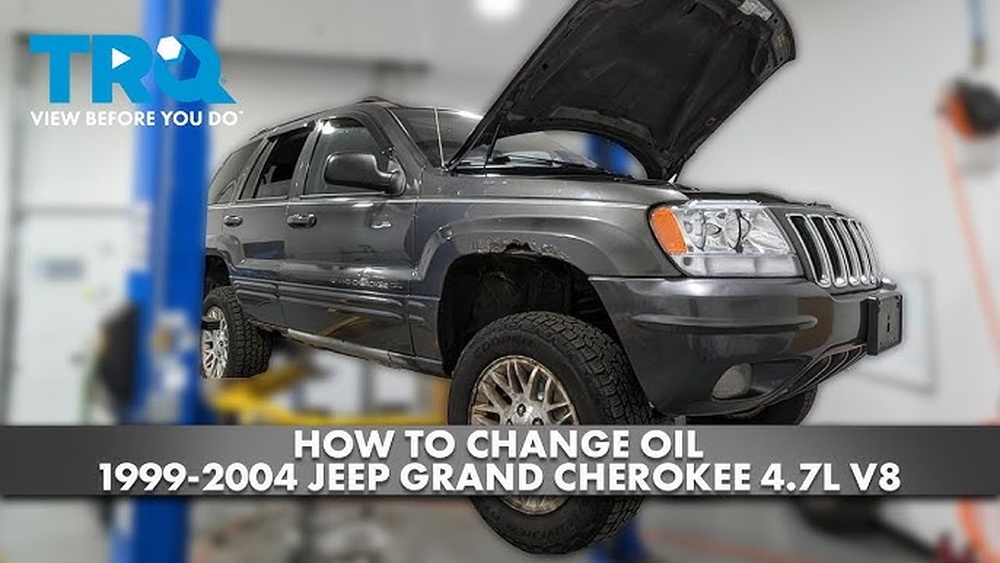
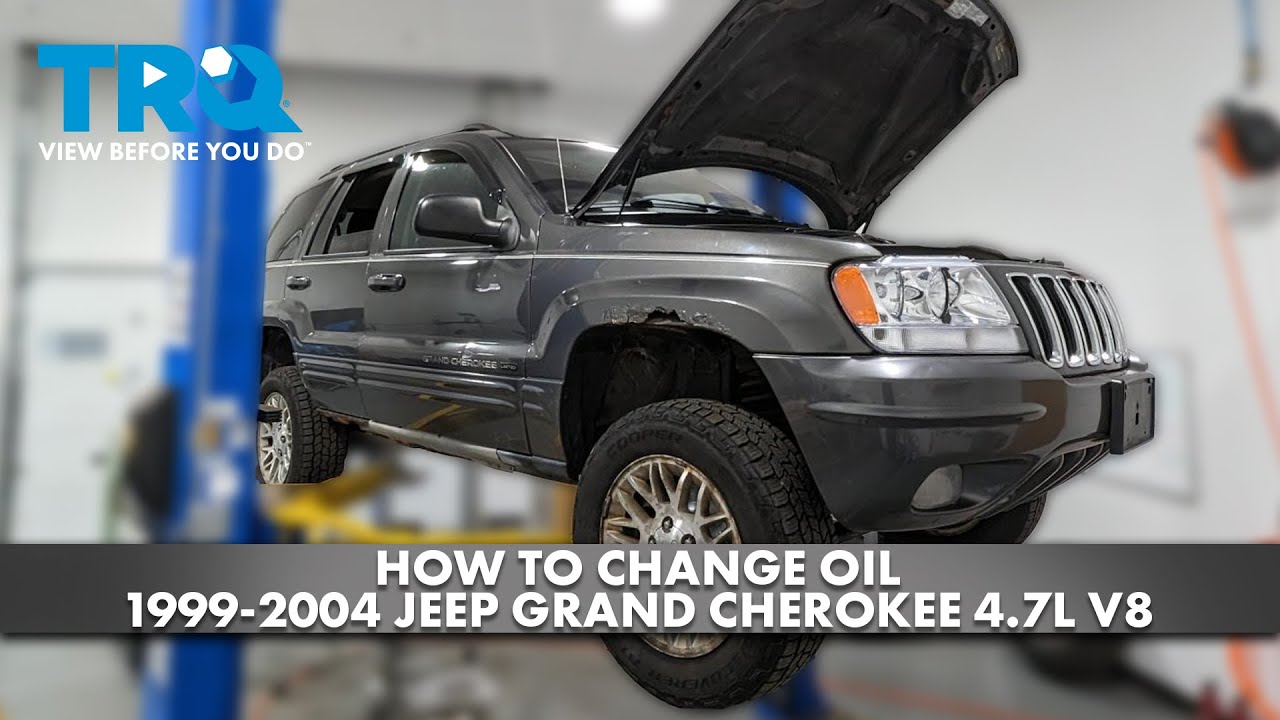
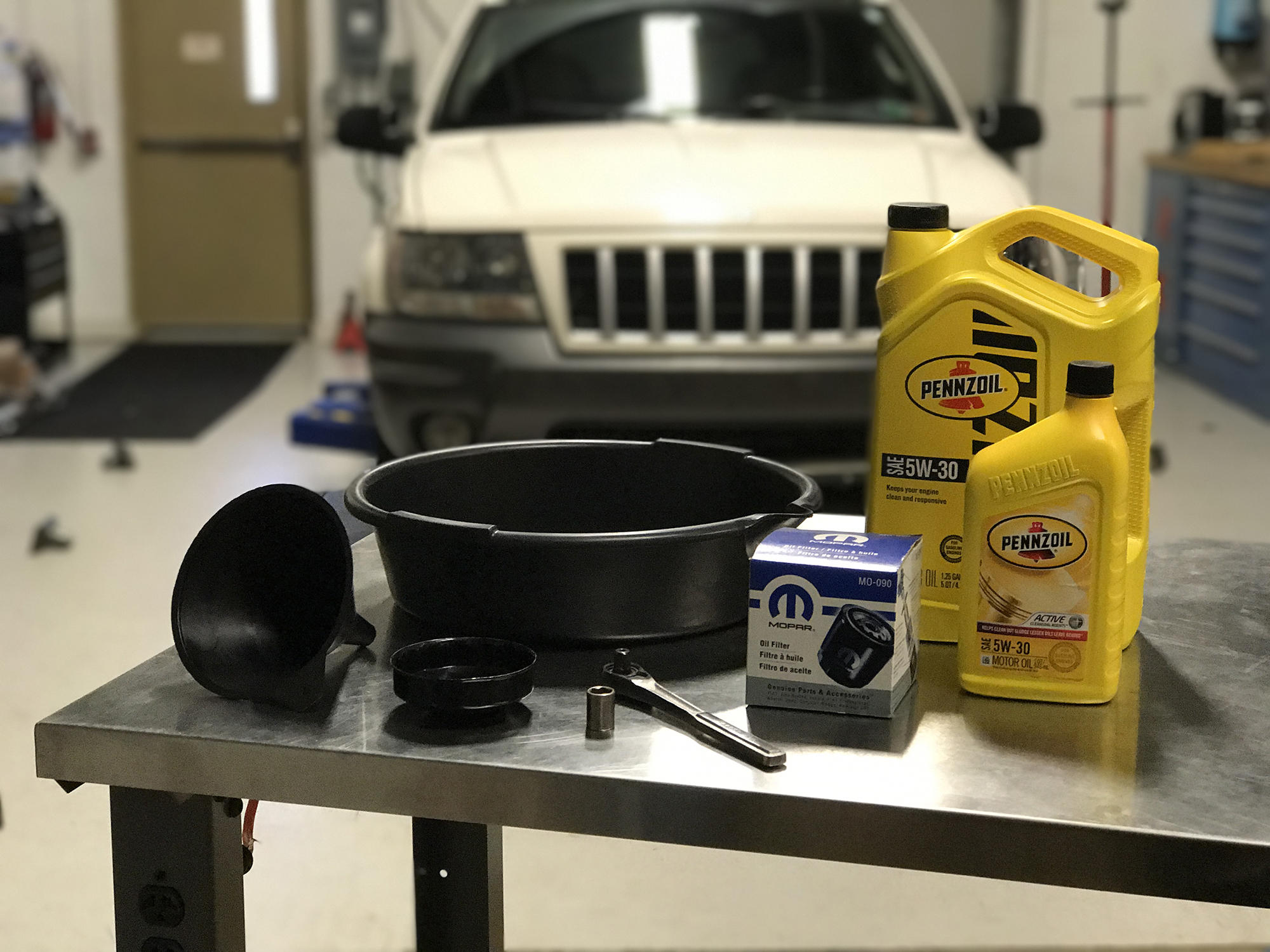
Tips For Diy Oil Changes
Changing oil yourself can save money. Here are steps to make it easy and safe:
- Warm up the engine for a few minutes, then turn it off.
- Raise the vehicle and secure it with jack stands.
- Place an oil catch pan under the drain plug.
- Remove the drain plug and let oil drain completely.
- Replace the oil filter.
- Reinstall the drain plug and add new oil.
- Start the engine and check for leaks.
- Check the oil level and add more if needed.
Dispose of old oil at a recycling center. Never pour it down the drain.
Pro tip: Keep a log of oil changes, including mileage and type used. This helps with resale value and maintenance tracking.
Where To Find More Information
For more details, see your owner’s manual or visit the official Jeep owners’ website.
Frequently Asked Questions
What Is The Best Oil For A 2004 Jeep Grand Cherokee?
The best oil is 10W-30 with API certification. You can choose synthetic for extra protection or conventional for regular use.
Can I Use 5w-30 Oil Instead Of 10w-30?
Yes, 5W-30 works well in colder climates. For most drivers, 10W-30 is better for year-round protection.
How Much Oil Does My 2004 Grand Cherokee Need?
All engine options need about 6 quarts of oil when you change the filter.
Should I Use Synthetic Oil In My Jeep?
Synthetic oil is not required, but it offers better protection and longer life—especially if you drive in extreme conditions or want to extend the interval between oil changes.
What Happens If I Use The Wrong Oil?
Using the wrong oil can cause engine noise, leaks, or higher fuel use. Always check your owner’s manual or consult a trusted mechanic if you’re not sure.
Choosing the right oil for your 2004 Jeep Grand Cherokee is simple when you know what to look for. Stick with the recommended viscosity and API-certified brands, and your Jeep will reward you with many more miles of reliable driving.