If you own a 2005 Jeep Liberty, you probably know that regular oil changes keep your engine running smoothly. But with so many oil types on the shelf, choosing the right one can get confusing.
Using the correct oil for your Liberty is not just about performance it protects your engine, improves fuel economy, and extends the life of your SUV.
Let’s break down everything you need to know to pick the best oil for your 2005 Jeep Liberty.
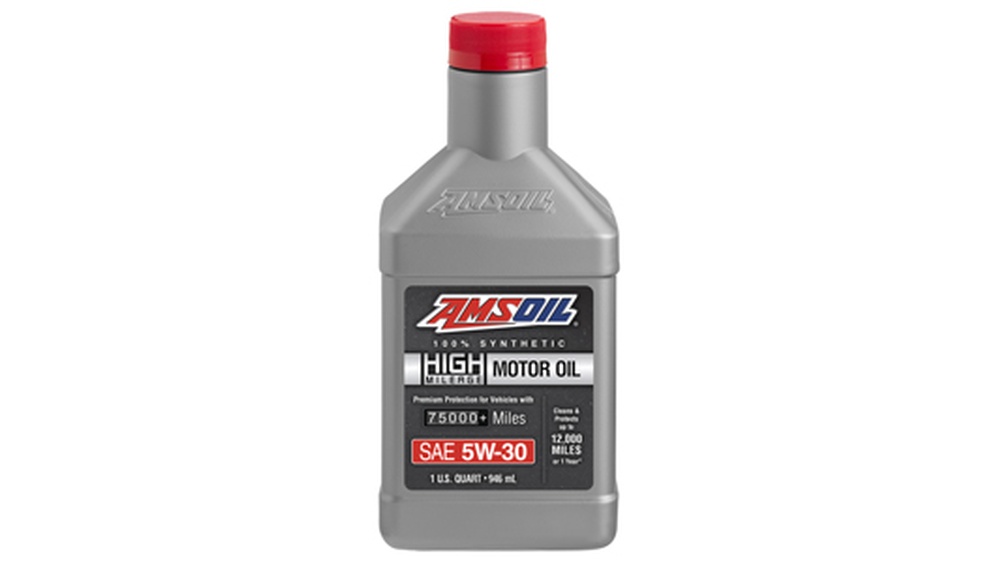
Which Oil Does A 2005 Jeep Liberty Take?
The 2005 Jeep Liberty comes with two main engine options: the 3.7L V6 and the 2.8L diesel. Each engine requires a specific oil type and viscosity.
- 3.7L V6 (Gasoline Engine): This engine needs 5W-30 viscosity oil. Jeep recommends using API Certified oils that meet Chrysler Material Standard MS-6395.
- 2.8L CRD (Diesel Engine): For the diesel version, use 5W-40 synthetic oil that meets API CI-4 or ACEA A3/B4 standards.
Why Viscosity Matters
Viscosity measures how thick or thin the oil is at different temperatures. The 5W-30 oil for the V6 means it flows easily in cold weather (the “5W” part) but remains thick enough to protect the engine at high temperatures (“30”). For the diesel, 5W-40 gives extra protection under heavy use or high heat.
Conventional Vs. Synthetic Oil
You might wonder if you should use conventional or synthetic oil. Here’s a quick comparison:
| Oil Type | Benefits | Drawbacks |
|---|---|---|
| Conventional | Lower cost, widely available | Breaks down faster, less protection in extreme temps |
| Synthetic | Better protection, lasts longer, better for cold starts | More expensive |
Synthetic oils are often the best choice for modern engines, especially if you drive in harsh conditions or want longer intervals between oil changes.
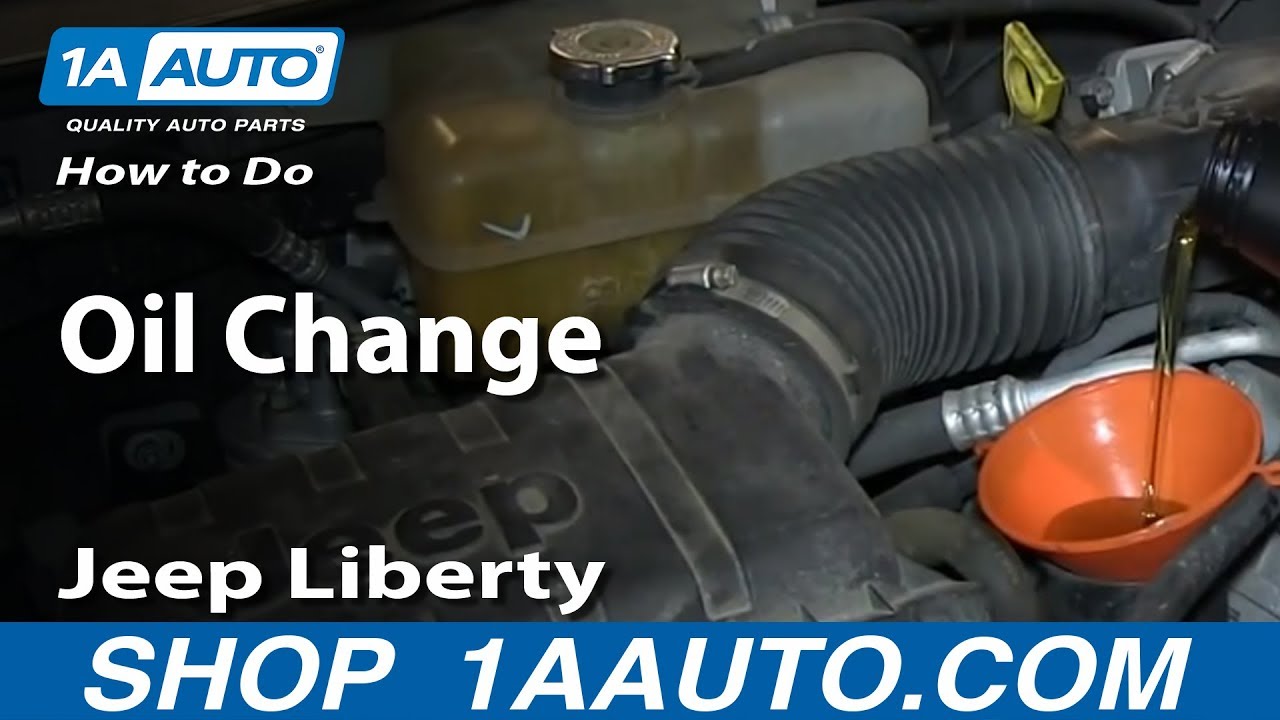
How Much Oil Does A 2005 Jeep Liberty Need?
Knowing the oil capacity prevents overfilling or running low. Here’s what you need:
| Engine | Oil Capacity (with filter) |
|---|---|
| 3.7L V6 | 5 quarts (4.7 liters) |
| 2.8L CRD Diesel | 6 quarts (5.7 liters) |
Always check the oil level after filling to make sure it matches the dipstick mark.
How Often Should You Change The Oil?
For most drivers, every 3,000 to 5,000 miles is a safe interval for oil changes with conventional oil. If you use synthetic oil, you can safely stretch this to 7,500 miles or sometimes more, depending on driving conditions.
If you drive in extreme heat, tow heavy loads, or make lots of short trips, stick to the lower end of the range. These conditions are harder on your oil.
Choosing A Good Oil Brand
There are many brands, but look for those that meet API certification and Chrysler’s material standard. Trusted brands include:
- Mobil 1
- Pennzoil
- Castrol
- Valvoline
For diesel engines, make sure the oil specifically says it’s for diesel use and meets ACEA A3/B4.
How To Change Oil In A 2005 Jeep Liberty
Changing oil yourself can save money. Here’s a quick overview:
- Warm up the engine for a few minutes, then turn it off.
- Place a drain pan under the oil pan.
- Remove the oil drain plug and let the old oil drain out.
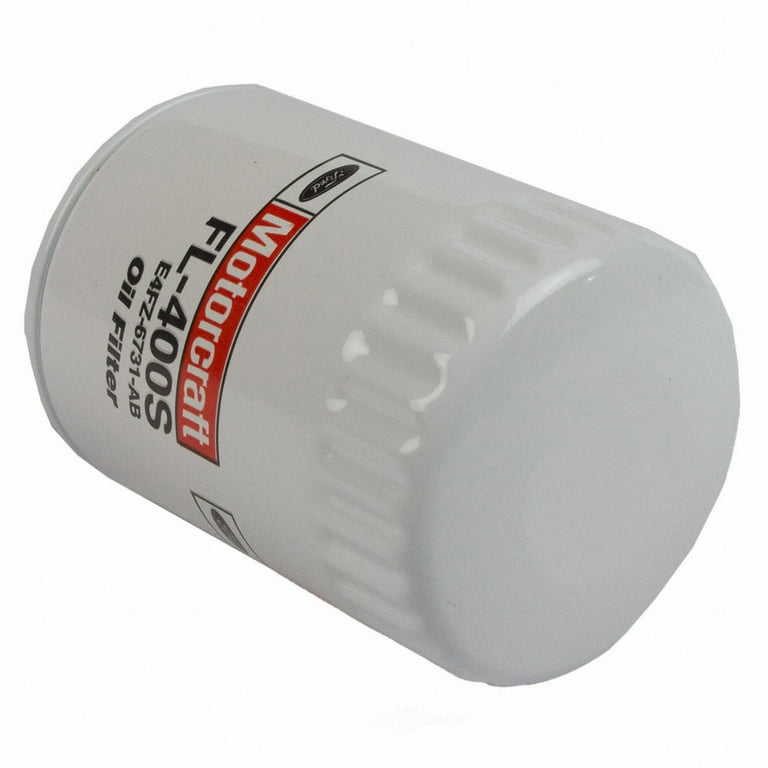
- Replace the oil filter.
- Reinstall the drain plug.
- Fill with the correct oil type and amount.
- Start the engine and check for leaks.
- Check oil level and top up if needed.
Never reuse an old oil filter, and always dispose of used oil properly.
Common Mistakes To Avoid
Many owners make these errors:
- Using the wrong viscosity: Can cause poor lubrication and engine wear.
- Overfilling: May lead to leaks or engine damage.
- Skipping filter changes: Reduces oil effectiveness.
- Ignoring oil change intervals: Dirty oil can harm your engine.
Don’t just trust any oil at a quick-lube shop double-check it matches your Jeep’s requirements.
Two Insights Most Owners Miss
- Temperature extremes matter: If you live in a very hot or cold area, consider synthetic oil for better engine protection.
- Short trips hurt oil: Frequent short drives don’t let the oil heat up fully, so change it more often to prevent sludge.
Oil Change Cost And Diy Savings
A professional oil change for your 2005 Jeep Liberty usually costs between $40 and $90. Doing it yourself can cut that cost by half. Just be sure to use the correct oil and a quality filter.
Real-world Example
A Liberty owner in Arizona switched to synthetic 5W-30 for summer. They noticed smoother starts in the morning and less engine noise.
This is a good example of how matching the oil type to your climate helps performance.
Where To Find Official Information
For the most accurate recommendations, check your owner’s manual or visit the official Jeep website. Reliable maintenance guides are also available from sources like the Mobil Oil Guide.
Frequently Asked Questions
What If I Accidentally Use 10w-30 Instead Of 5w-30?
Using 10W-30 once is usually not harmful, but it’s thicker at low temperatures. For best protection, switch back to 5W-30 at the next oil change.
Can I Mix Synthetic And Conventional Oil?
You can mix them in an emergency, but it’s better to use one type for consistent protection. Mixing dilutes the benefits of full synthetic oil.
How Do I Know If The Oil Is Low?
Check the oil dipstick with the engine off and on level ground. If the oil mark is below the minimum line, add oil immediately to avoid damage.
What Happens If I Use The Wrong Oil In The Diesel Engine?
Using gasoline engine oil in a diesel Liberty can cause excessive wear and poor performance. Always use oil marked for diesel engines.
Does The Oil Filter Brand Matter?
Yes, a high-quality filter helps remove debris and protects the engine. Cheaper filters can clog or fail early, so stick to trusted brands.
Taking care of your 2005 Jeep Liberty with the right oil keeps your ride reliable for years. Just remember: correct viscosity, timely changes, and good filters make all the difference.