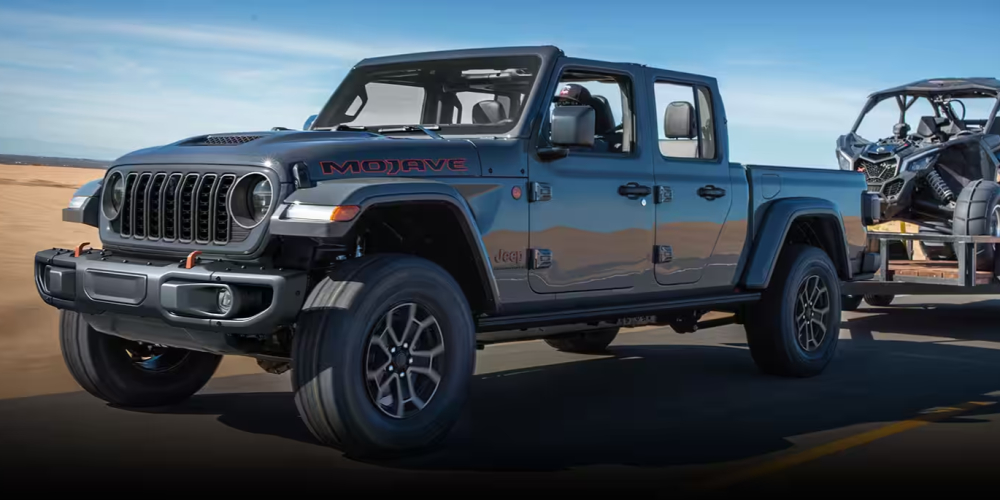
The Jeep Gladiator stands out among midsize pickup trucks for its rugged design and off-road abilities. One question buyers often ask is: what motor does the Jeep Gladiator have? This detail matters because the engine shapes how the truck performs in daily driving, towing, and tough terrain. Let’s take a closer look at the Gladiator’s motors, their features, and how they compare.
Jeep Gladiator Engine Options
Since its launch in 2019, the Jeep Gladiator has offered two main engine choices in the US. Each engine brings its own advantages, whether you want more power or better fuel economy.
3.6l Pentastar V6 Gasoline Engine
The 3.6-liter Pentastar V6 is the standard engine for the Gladiator. It’s well-known across the Jeep and Chrysler brands.
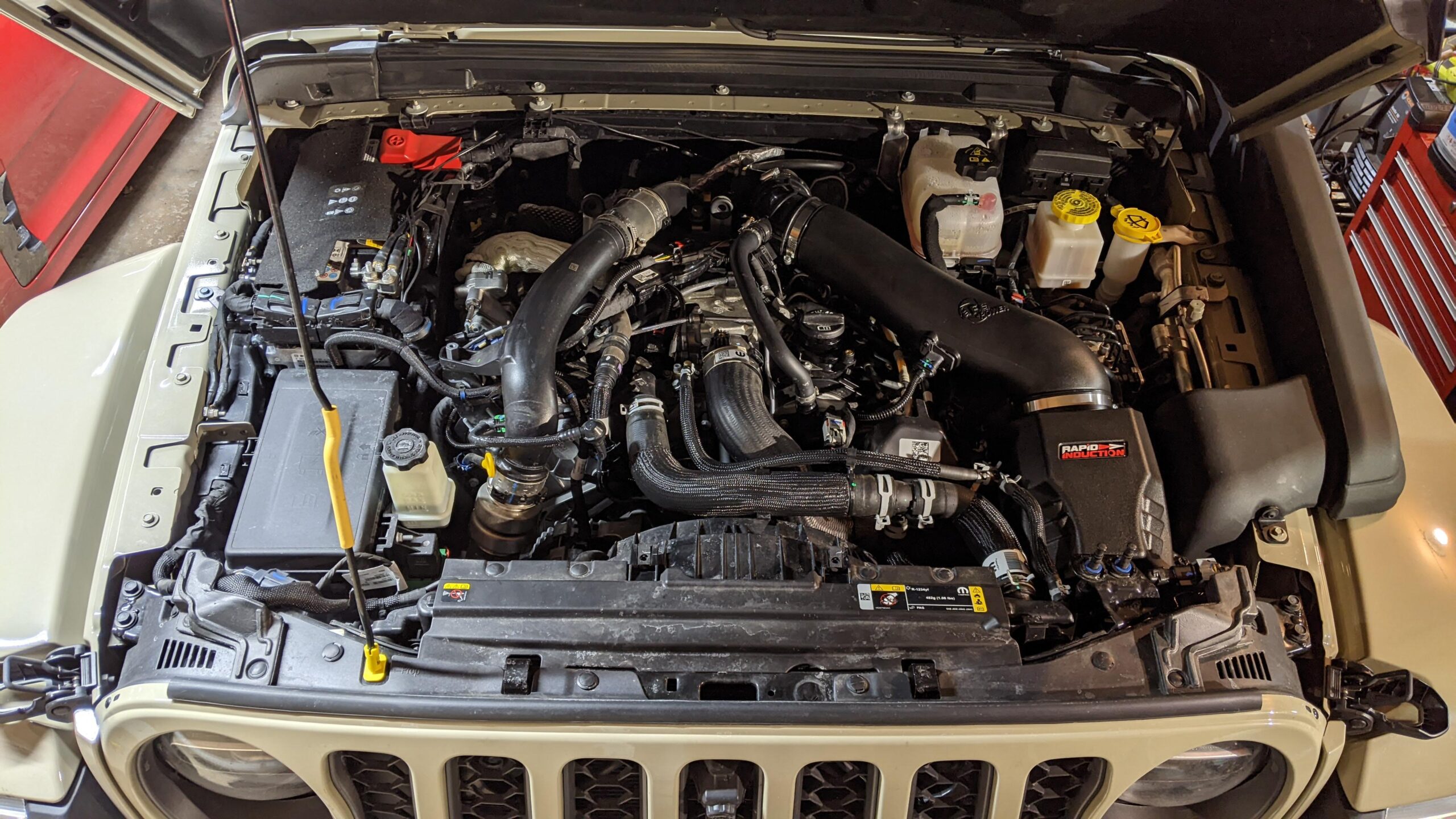
- Horsepower: 285 hp
- Torque: 260 lb-ft
- Transmission: 6-speed manual or 8-speed automatic
- Fuel economy: Around 17 mpg city / 22 mpg highway (varies by trim)
This V6 is a reliable, naturally aspirated motor. It offers smooth acceleration and enough power for most drivers.
The Pentastar is a great match for people who plan to use their Gladiator for highway driving, light towing, or daily commuting.
3.0l Ecodiesel V6 Engine
For those who want more torque and better fuel efficiency, Jeep introduced the 3.0-liter EcoDiesel V6 in 2021.
- Horsepower: 260 hp
- Torque: 442 lb-ft
- Transmission: 8-speed automatic only
- Fuel economy: Up to 22 mpg city / 28 mpg highway
The EcoDiesel delivers impressive low-end power, making it ideal for towing or off-road adventures. It’s especially popular among drivers who need extra pulling strength or plan to travel long distances.
Engine Comparison
Here’s a quick look at how the two main Gladiator engines compare:
| Engine | Horsepower | Torque | Transmission | Fuel Economy (city/hwy) |
|---|---|---|---|---|
| 3.6L Pentastar V6 | 285 hp | 260 lb-ft | Manual/Automatic | 17/22 mpg |
| 3.0L EcoDiesel V6 | 260 hp | 442 lb-ft | Automatic | 22/28 mpg |
How Engine Choice Affects Performance
Choosing the right motor affects how you use your Gladiator, from driving feel to towing ability.
Power And Acceleration
The Pentastar V6 provides quick acceleration and is easy to maintain. It’s a good fit for drivers who mostly drive on paved roads. The EcoDiesel V6 isn’t as fast off the line, but its high torque makes it strong when climbing hills or carrying heavy loads.
Towing And Payload
Both engines allow the Gladiator to tow, but there are differences in their maximum capacities.
| Engine | Max Towing Capacity | Max Payload |
|---|---|---|
| 3.6L Pentastar V6 | Up to 7,700 lbs | Up to 1,700 lbs |
| 3.0L EcoDiesel V6 | Up to 6,500 lbs | Up to 1,325 lbs |
The gasoline engine can tow a bit more, but the diesel offers smoother pulling at lower speeds. For most camping trailers or boats, either engine will do the job, but the gas V6 is better for heavy-duty towing.
Fuel Economy
One area where the EcoDiesel shines is fuel economy. Drivers who travel long distances, or use their trucks for work, often save money on diesel. However, diesel engines can cost more to maintain and repair.
Gladiator Engine Features
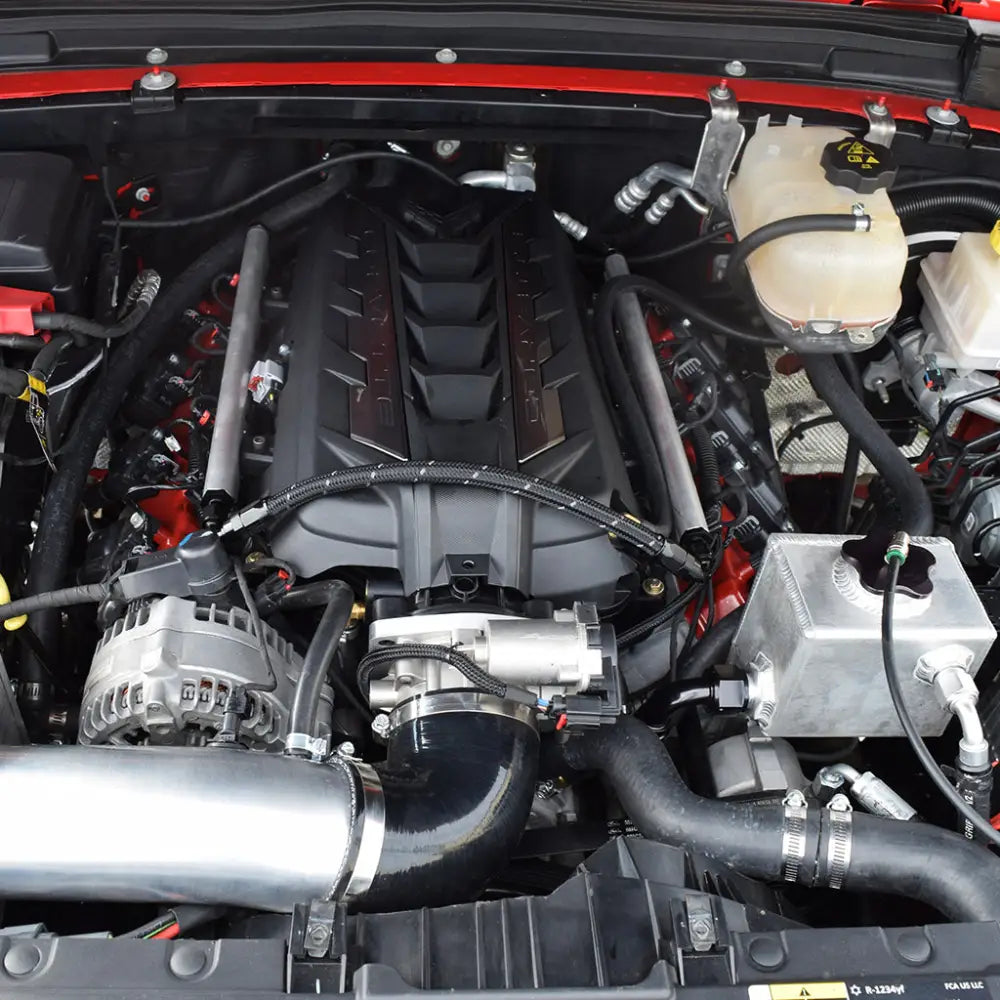
Both motors come with modern technology to help with performance and reliability.
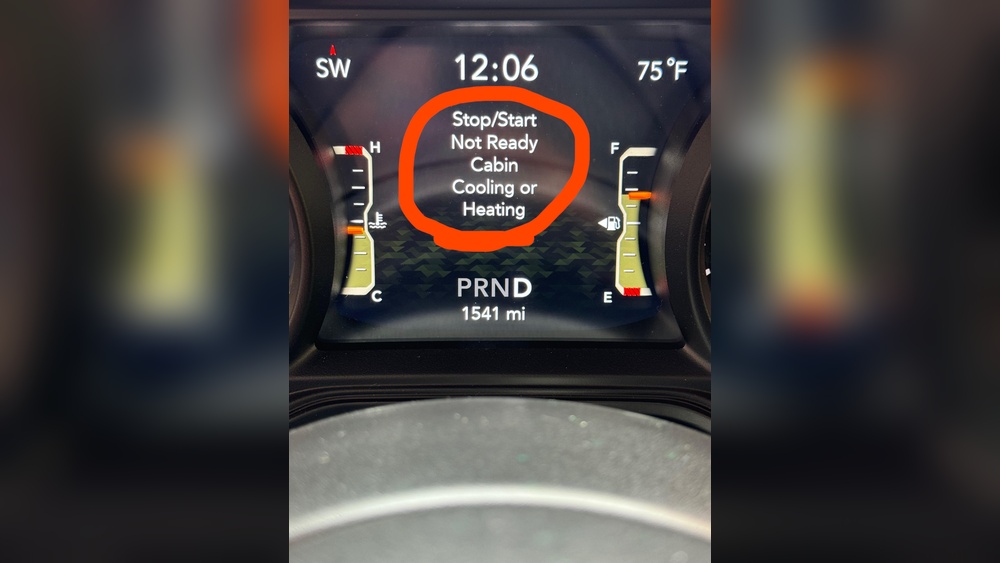
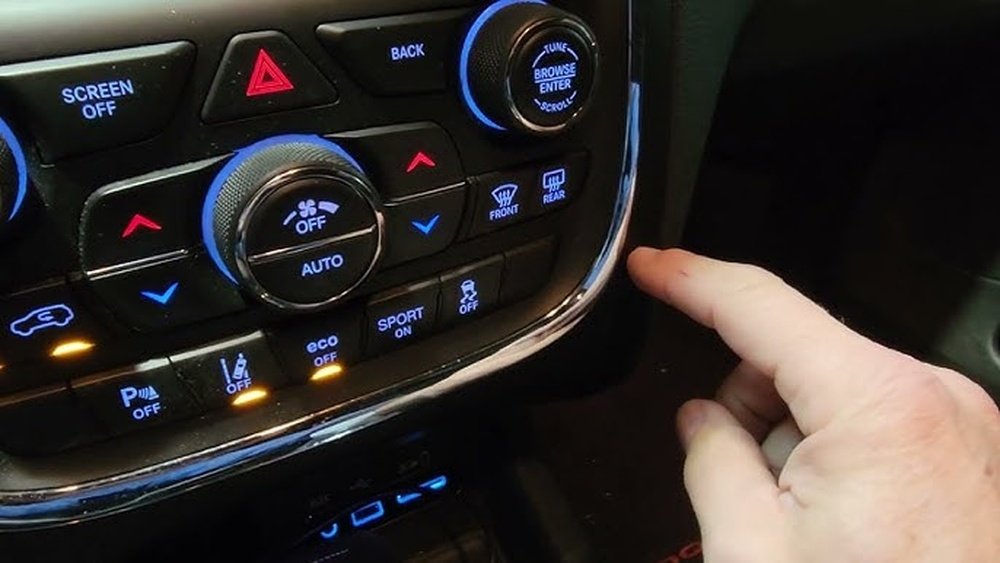
- Start/stop system: Saves fuel by shutting off the engine when stopped.
- Aluminum construction: Makes the engine lighter and more efficient.
- Timing chain (not belt): Reduces the need for replacement, especially in the Pentastar V6.
A less obvious detail: the EcoDiesel uses a special Selective Catalytic Reduction system to meet emission rules. This means you need to add Diesel Exhaust Fluid (DEF) as part of regular maintenance.
Year-to-year Changes
From 2020 to today, the Jeep Gladiator has kept the same main engine choices. The EcoDiesel option was added for the 2021 model year.
There are no hybrid or four-cylinder options in the US Gladiator lineup unlike the Jeep Wrangler, which offers a turbo four-cylinder and plug-in hybrid.
Common Questions From Buyers
Many first-time Jeep buyers focus only on horsepower. But torque is just as important, especially for towing and off-road use. Another detail: the Gladiator’s engines are designed for longevity, but regular maintenance (like oil changes and air filter replacement) is crucial for both motors.
For people who plan to keep their truck for a long time, the gas V6 is usually cheaper to maintain. However, the diesel’s better fuel mileage may offset its higher maintenance costs over 100,000 miles or more.
How The Gladiator Stacks Up
Compared to other midsize trucks, the Gladiator stands out for its two strong engine options. Most rivals, like the Toyota Tacoma and Ford Ranger, rely on four-cylinder turbo or naturally aspirated V6 motors.
| Model | Base Engine | Max Horsepower | Max Torque |
|---|---|---|---|
| Jeep Gladiator | 3.6L V6 | 285 hp | 442 lb-ft (diesel) |
| Toyota Tacoma | 2.4L Turbo I4 | 278 hp | 317 lb-ft |
| Ford Ranger | 2.3L Turbo I4 | 270 hp | 310 lb-ft |
| Chelvy Colorado | 2.7L Turbo I4 | 310 hp | 430 lb-ft |
This data shows the Gladiator’s diesel torque leads the class, while its gas V6 is competitive for horsepower.

Final Thoughts
The Jeep Gladiator offers two strong engines: the 3.6L Pentastar V6 and the 3.0L EcoDiesel V6. Both give the truck the power and capability Jeep is known for. Your choice depends on how you plan to use your Gladiator—daily driving, towing, or off-roading. By understanding the strengths of each motor, you can pick the best option for your needs. For more technical details, visit the official Jeep Gladiator page.
Frequently Asked Questions
What Is The Standard Engine In The Jeep Gladiator?
The standard engine is the 3.6-liter Pentastar V6, which makes 285 horsepower and 260 lb-ft of torque.
Is A Diesel Engine Available In The Gladiator?
Yes, you can choose the 3.0-liter EcoDiesel V6 in most Gladiator trims. It offers more torque and better fuel economy.
Which Gladiator Engine Is Better For Towing?
The Pentastar V6 has a higher maximum towing rating (up to 7,700 lbs), but the diesel’s high torque is helpful for steady towing.
Does The Gladiator Have A Turbo Engine?
No, the US Gladiator does not offer a turbocharged engine. Both the gas and diesel V6 engines are naturally aspirated or turbocharged, but not a turbo four-cylinder.
What Maintenance Does The Ecodiesel Engine Need?
The EcoDiesel requires Diesel Exhaust Fluid (DEF) refills and can have higher service costs than the gas V6. Regular oil changes are important for both engines.