A Jeep Rubicon stands out as a legend among off-road vehicles. Many people see the Rubicon badge and wonder, “What makes it so special?
” This model isn’t just a regular Jeep with extra stickers. The Rubicon is built for adventure, with unique features that transform rough terrain into a playground.
If you’re thinking about buying a Jeep or just want to understand why the Rubicon name matters, this guide will help you see what truly sets it apart.
Off-road Hardware: Built For Tough Trails
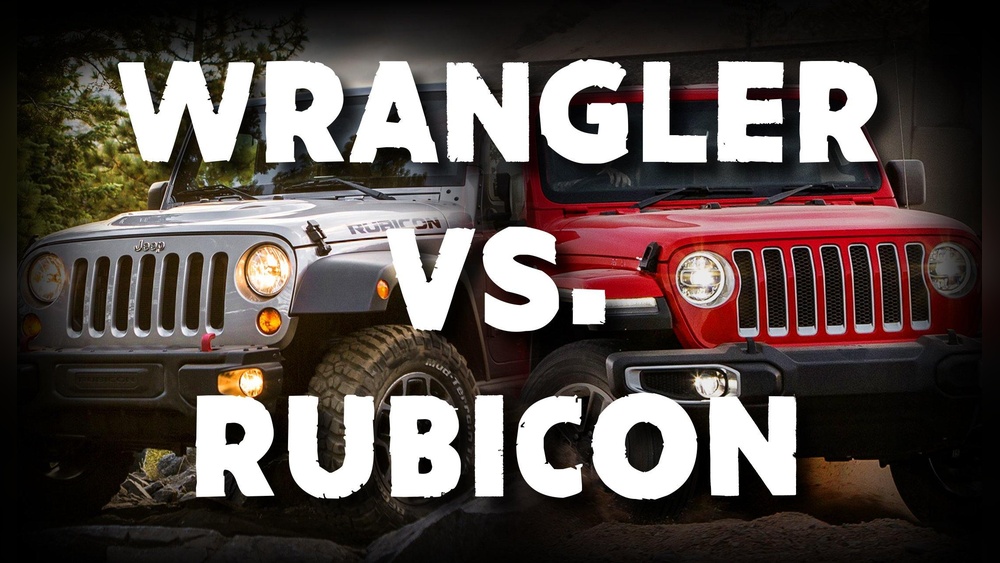
The Rubicon’s reputation comes from its off-road capability. While other Jeeps handle dirt roads, the Rubicon is ready for rocks, mud, and steep climbs.
Axle And Suspension Differences
Rubicon models use Dana 44 heavy-duty axles in both the front and rear. These axles are stronger than those in standard Jeep models, giving better durability and power for rough terrain.
| Feature | Rubicon | Standard Jeep Wrangler |
|---|---|---|
| Axle Type | Dana 44 front & rear | Dana 30 front, Dana 35 rear |
| Suspension Travel | Greater articulation | Standard articulation |
Locking Differentials
A key Rubicon feature is locking differentials. With a simple push of a button, the Rubicon can send power equally to both wheels on an axle, helping it climb over rocks or through deep mud where one wheel might slip.
Electronic Sway Bar Disconnect
Most vehicles use sway bars to keep the ride stable. The Rubicon’s electronic sway bar disconnect lets drivers detach the sway bar for more wheel movement, which is important when tackling obstacles.
Unique Rubicon Features
Beyond hardware, the Rubicon has special features that make it more capable and recognizable.
Rock-trac 4×4 System
Rubicon models come with the Rock-Trac 4×4 system. This system offers a 4:1 low gear ratio, which means more torque and control at low speeds. It’s ideal for slow, technical off-road driving.
All-terrain Tires And Wheels
Rubicon comes with 33-inch all-terrain tires as standard. These tires are bigger and tougher, providing better grip and protection.
| Model | Tire Size | Tread Type |
|---|---|---|
| Rubicon | 33-inch | Aggressive all-terrain |
| Sport/Sahara | 31-inch | Standard road |
Extra Protection
The Rubicon includes rock rails and skid plates. Rock rails protect the sides from rocks and logs, while skid plates shield the underside from damage.
Exterior And Interior Differences
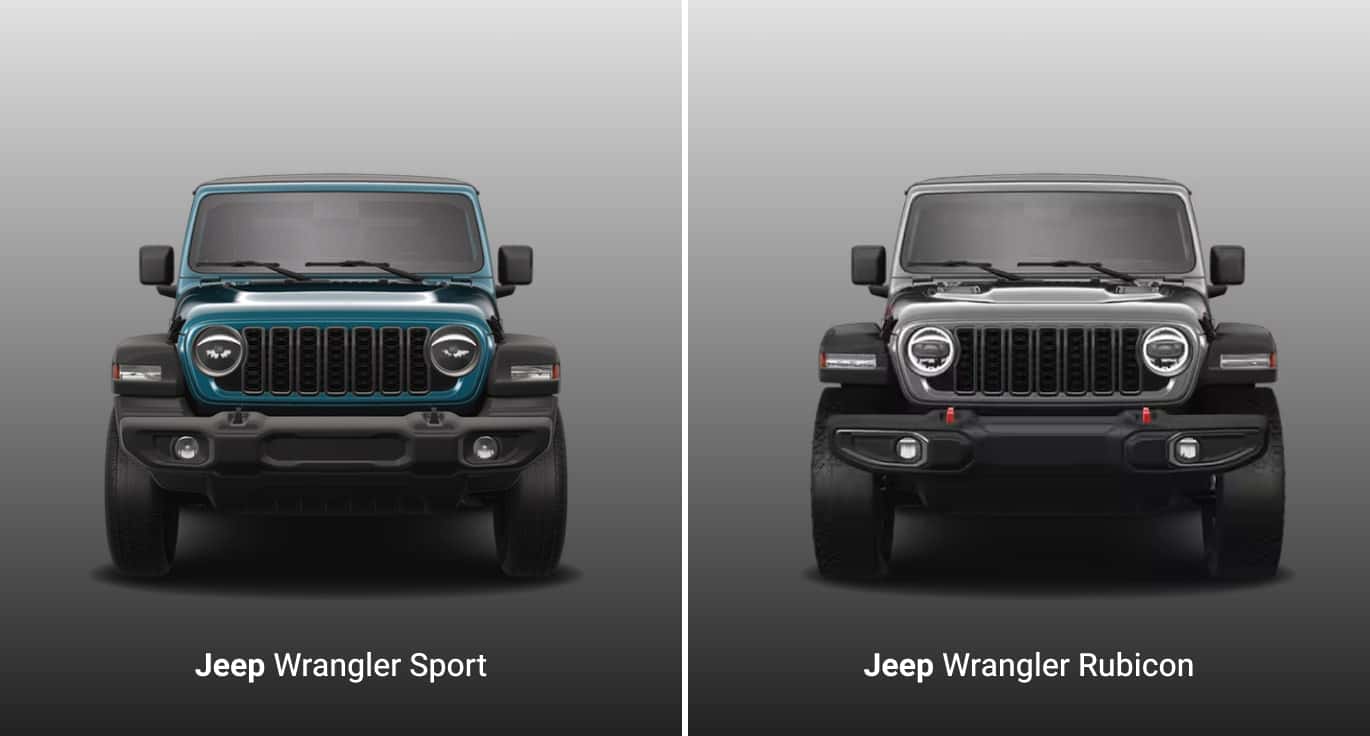
The Rubicon’s look and feel also set it apart.
Exterior Badging And Design
Rubicons have special decals and a unique hood. The red tow hooks stand out visually and are functional for recovery situations.
Interior Comfort And Tech
Inside, the Rubicon offers features like premium seats, a larger touchscreen, and advanced navigation. This means you get comfort along with rugged capability.
| Feature | Rubicon | Sport/Sahara |
|---|---|---|
| Touchscreen Size | 8.4-inch | 7-inch |
| Seat Material | Premium cloth or leather | Basic cloth |
| Navigation | Available | Optional |
Real-world Performance: Stats And Reviews
Rubicon’s strength isn’t just marketing. Tests and reviews show it’s one of the best stock off-road vehicles on the market.
- Ground clearance: Rubicon has 10.8 inches, compared to 9.7 inches on standard models.
- Water fording: Rubicon can cross streams up to 30 inches deep.
- Approach angle: 43.4°, which helps when climbing steep obstacles.
Many off-road experts say the Rubicon can handle trails that would stop most other vehicles. For example, the famous Rubicon Trail in California is often used to test the Jeep Rubicon’s limits.
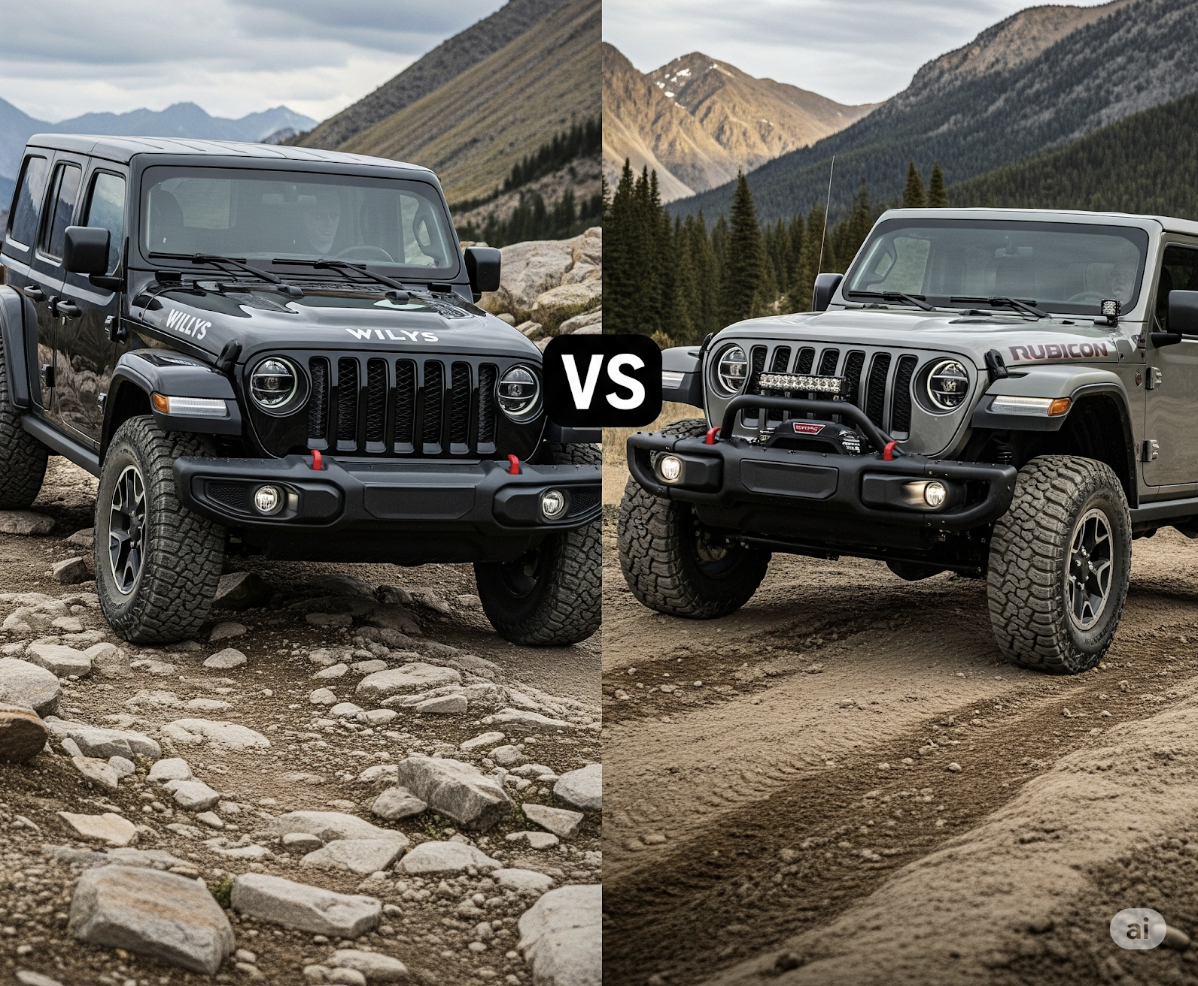
Non-obvious Insights
Most buyers focus on big features, but two things often get missed:
- Resale value: Rubicon models hold their value much better. Used Rubicons can sell for thousands more than standard Wranglers.
- Insurance costs: Because Rubicons are more expensive and are seen as adventure vehicles, insurance rates can be higher. It’s smart to check costs before buying.
Is Rubicon Worth It?
Choosing the Rubicon depends on your needs. If you plan to spend weekends on tough trails or want the best off-road Jeep, the Rubicon is hard to beat.
For city driving or light adventure, a lower trim may save money.
However, if you want a Jeep ready for almost anything, the Rubicon gives confidence and fun.
For more technical details and Jeep model comparisons, you can visit the Jeep Wrangler Wikipedia page.

Frequently Asked Questions
What Is The Main Difference Between Rubicon And Other Wrangler Models?
The Rubicon has stronger axles, locking differentials, and the Rock-Trac 4×4 system. These let it handle rougher terrain than other models.
Can A Rubicon Be Used As A Daily Driver?
Yes, Rubicon models are comfortable for daily driving. However, the aggressive tires and stiff suspension can make city driving feel less smooth compared to softer trims.
How Much More Does A Rubicon Cost?
A Rubicon is about $7,000 $10,000 more than basic Wrangler models. This includes extra off-road equipment and premium interior features.
Is The Rubicon Good For Towing?
Rubicon has a tow rating similar to other Wranglers (up to 3,500 lbs). However, its off-road tires and gear ratio are designed more for trails than for heavy towing.
What Are Common Mistakes When Buying A Rubicon?
Some buyers don’t consider insurance costs or the need for off-road features. If you don’t plan to use the Rubicon’s full capability, you may pay more than needed.
n
The Jeep Rubicon stands as a special model, offering unmatched off-road strength and unique features. For those who want adventure and reliability, it’s hard to find a better option.
nnnn
Whether you’re exploring wild trails or just want a Jeep that’s ready for anything, the Rubicon delivers on its promise.