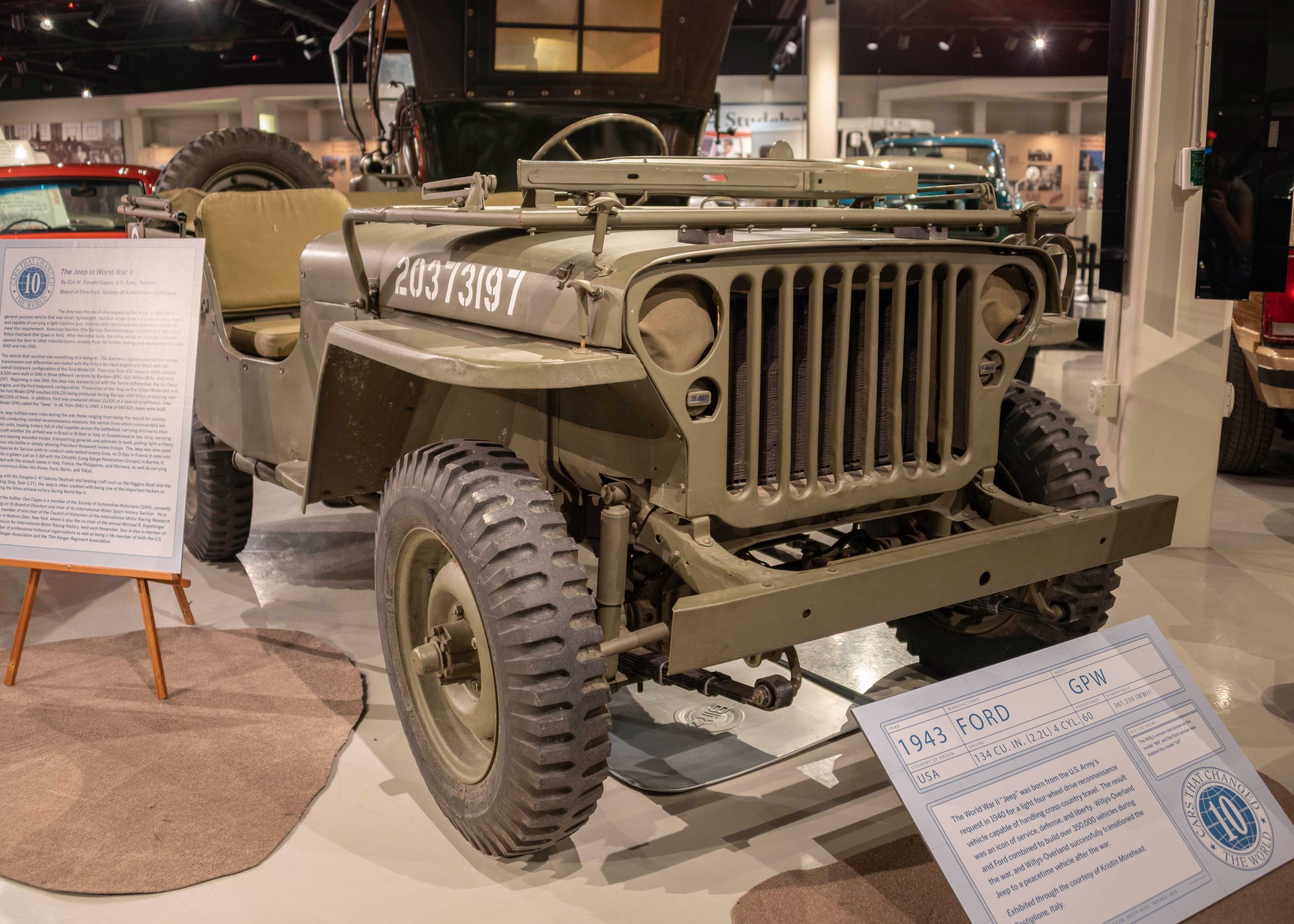
During World War II, a small, rugged vehicle changed the way armies moved and fought. Soldiers needed a machine that was fast, reliable, and simple to fix in tough conditions.
This need led to the creation of the WW2 Jeep, a vehicle now famous for its service and design. Many people wonder which Jeep model was actually used during the war, and how it helped shape military history.
The Jeep That Won The War
The main Jeep used in World War II was the Willys MB. It became the symbol of American mobility and flexibility. The Willys MB, along with its twin, the Ford GPW, was produced in huge numbers to meet the needs of the Allied forces. Together, these Jeeps made a lasting impact on both military tactics and vehicle design.
Origins Of The Ww2 Jeep
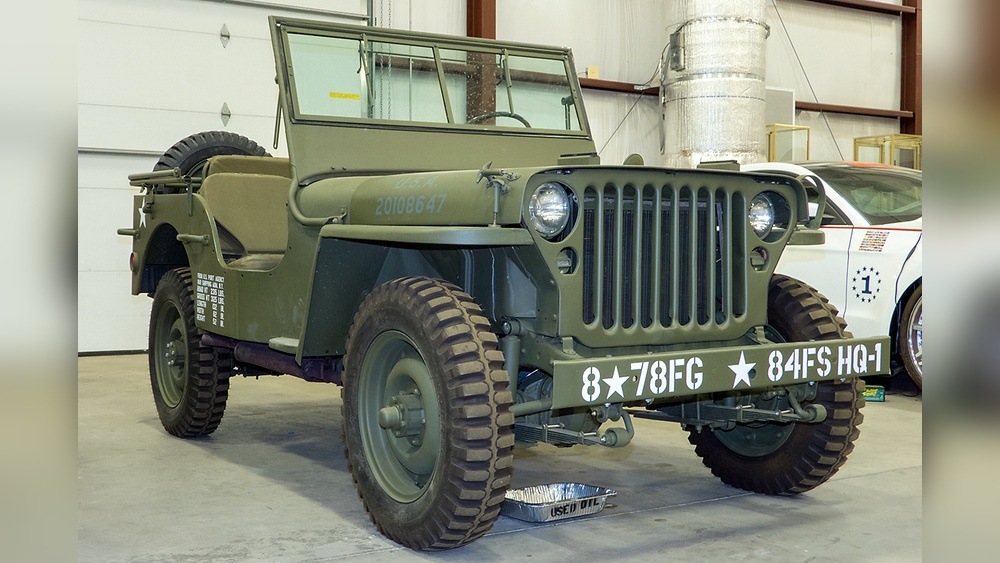
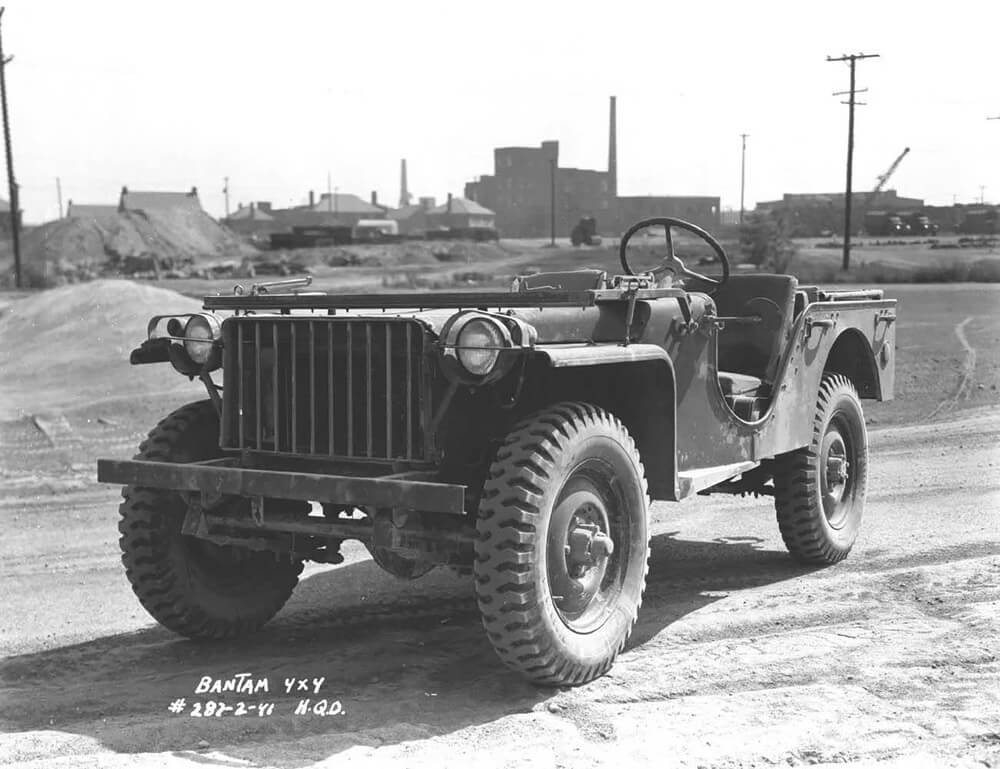
The US Army needed a light, four-wheel-drive vehicle that could handle rough terrain. In 1940, they sent out a request to car companies for a new design.
Willys-Overland, Ford, and American Bantam all responded, but Willys won the contract due to its powerful engine and simple design.
Ford also produced Jeeps under license, creating the GPW model.
Willys Mb Vs Ford Gpw
Both the Willys MB and Ford GPW looked nearly identical and shared most parts. Their minor differences were in the frame and small details.
| Feature | Willys MB | Ford GPW |
|---|---|---|
| Engine | Willys “Go-Devil” 60 HP | Willys “Go-Devil” 60 HP |
| Production Years | 1941-1945 | 1942-1945 |
| Distinct Mark | Willys stamp | Ford stamp |
| Number Produced | ~363,000 | ~277,000 |
What Made The Ww2 Jeep Special?
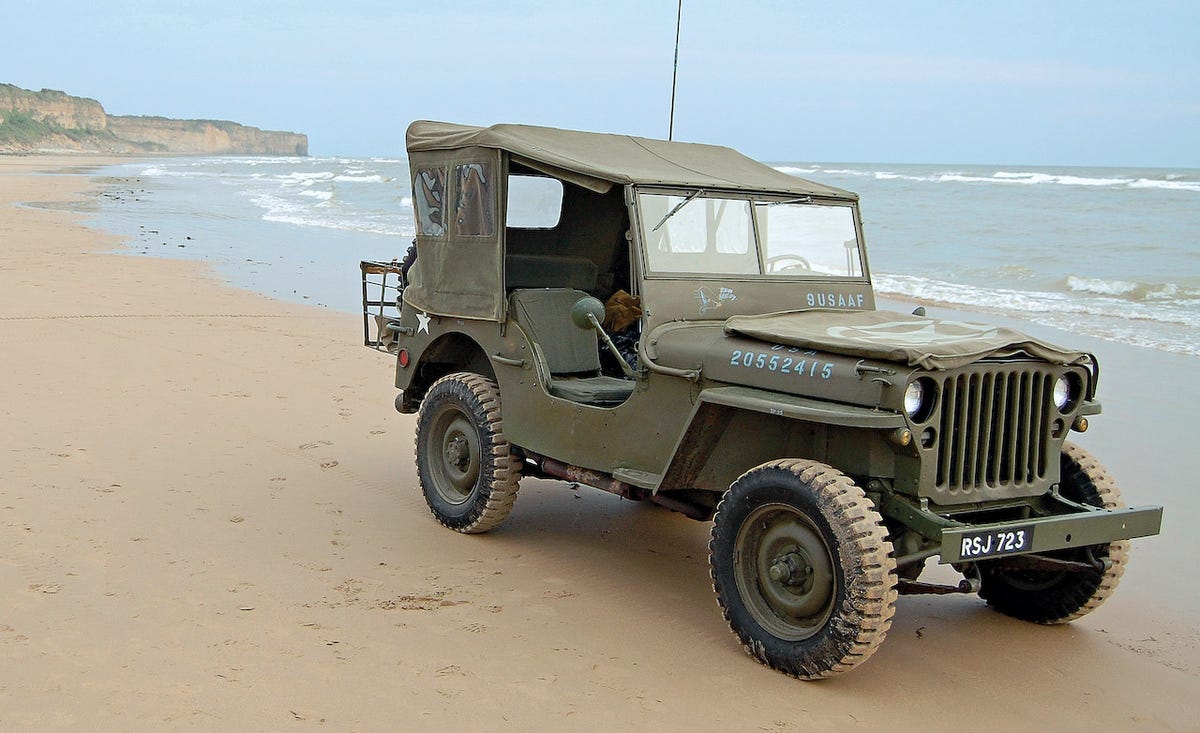
The WW2 Jeep was small but tough. It could carry four men, weapons, and supplies. Its 4×4 drive let it go almost anywhere—mud, sand, snow, or rocky roads. Some features that made it unique:
- Lightweight: Around 2,200 pounds, easy to lift and move.
- Simple mechanics: Soldiers could fix it with basic tools.
- Flat fenders: Provided a place to sit or mount guns.
- Fold-down windshield: Reduced glare and allowed for easier transport.
- Versatile design: Used for ambulance, command, reconnaissance, and even as a mobile kitchen.
Key Specifications
Here are the main specs for the WW2 Jeep:
| Specification | Value |
|---|---|
| Length | 132 inches |
| Width | 62 inches |
| Height | 72 inches (with top) |
| Engine | 2.2L, 4-cylinder |
| Horsepower | 60 HP |
| Fuel Capacity | 15 gallons |
| Top Speed | 65 mph |
Jeep’s Role In Ww2
The Jeep was used for many tasks:
- Reconnaissance: Scouts used Jeeps to check enemy positions.
- Transport: Moved troops, supplies, and wounded soldiers.
- Communication: Carried radios and officers for command missions.
- Weapon Platform: Some Jeeps had machine guns mounted.
- Towing: Pulled trailers, anti-tank guns, and planes.
One non-obvious insight: Jeeps also helped build bridges and lay telephone wires. Their speed and size made them perfect for jobs where bigger vehicles failed.
Production Numbers And Statistics
Between 1941 and 1945, the US produced over 640,000 Jeeps for the war. Willys built about 363,000 and Ford made 277,000. The sheer scale of production was unique. Every theater—Europe, Africa, Pacific—saw Jeeps in action.
Jeep Vs Other Military Vehicles
How did the Jeep compare to other vehicles used in WW2?
| Vehicle | Max Speed | Capacity | Role |
|---|---|---|---|
| Willys MB/Ford GPW | 65 mph | 4 men | Multi-purpose |
| Half-track | 40 mph | 12 men | Troop transport |
| Scout car | 55 mph | 6 men | Reconnaissance |
Most other vehicles were bigger, slower, and harder to repair. The Jeep’s mix of speed, size, and reliability made it the first choice for many missions.
Common Misconceptions
Some people think the Jeep was only used by Americans. In fact, the British, Russians, and many other Allies used Jeeps. Another misconception is that the Jeep was just a simple car. Actually, its engineering was advanced for the time.
A less-known fact: After the war, many Jeeps were converted for civilian use, leading to the birth of the modern SUV.
Legacy Of The Ww2 Jeep
The WW2 Jeep influenced military vehicles worldwide. Its design inspired later models like the Land Rover and modern Jeeps. Even today, the basic shape and features are visible in new SUVs and off-road vehicles.
Collectors and historians still value the original Willys MB and Ford GPW. Restored models can sell for high prices.
Museums show these Jeeps as symbols of freedom and innovation.
If you want to learn more about the history and development of the WW2 Jeep, check out this detailed overview from Wikipedia.
Frequently Asked Questions
What Was The Exact Jeep Model Used In Ww2?
The main models were the Willys MB and the Ford GPW. Both shared the same design and parts, with only minor differences.
How Many Jeeps Were Built During Ww2?
About 640,000 Jeeps were produced between 1941 and 1945. Willys made around 363,000 and Ford about 277,000.
Why Was The Jeep So Important In Ww2?
The Jeep was fast, reliable, and easy to fix. It could go almost anywhere and was used for many jobs, from transport to reconnaissance.
Did Other Countries Use The Ww2 Jeep?
Yes, the British, Soviet Union, Free French, and other Allied nations used the Jeep in various roles.
Is The Ww2 Jeep Still Used Today?
Original WW2 Jeeps are now collector items, but their design lives on in modern SUVs and military vehicles.
The WW2 Jeep was more than just a vehicle; it was a tool of victory. Its impact continues today, in both military and civilian life.
If you ever see a classic Jeep, remember it once helped change the course of history.