A Jeep is famous for its rugged off-road abilities. But what gives it the power to handle tough trails and slippery roads? One of the most important parts is the transfer case. Many Jeep owners have heard of it, but few fully understand what it does and why it matters. Understanding the transfer case can help you use your Jeep more confidently and avoid costly mistakes.
What Is A Transfer Case?
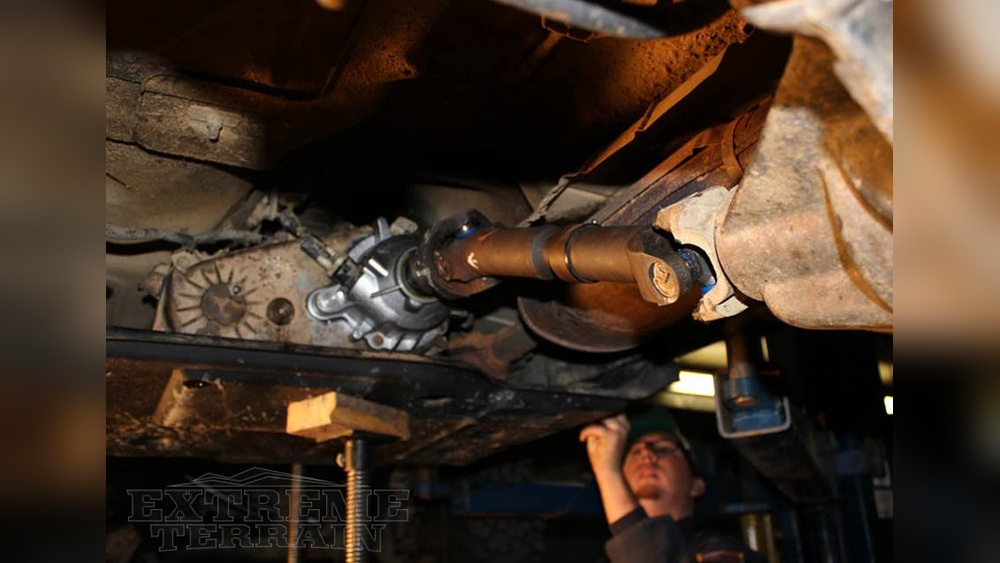
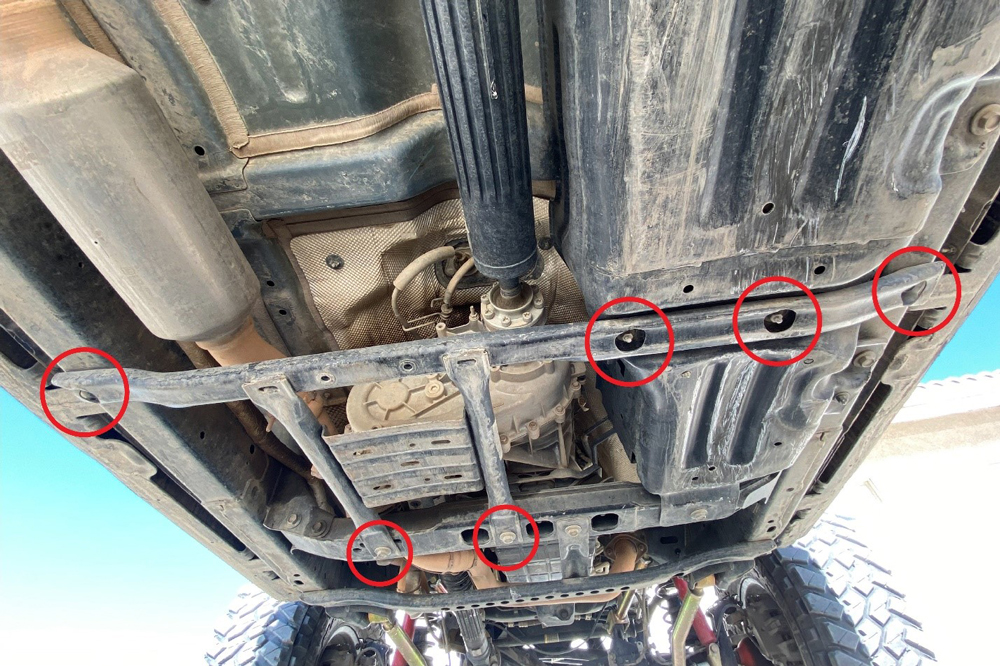
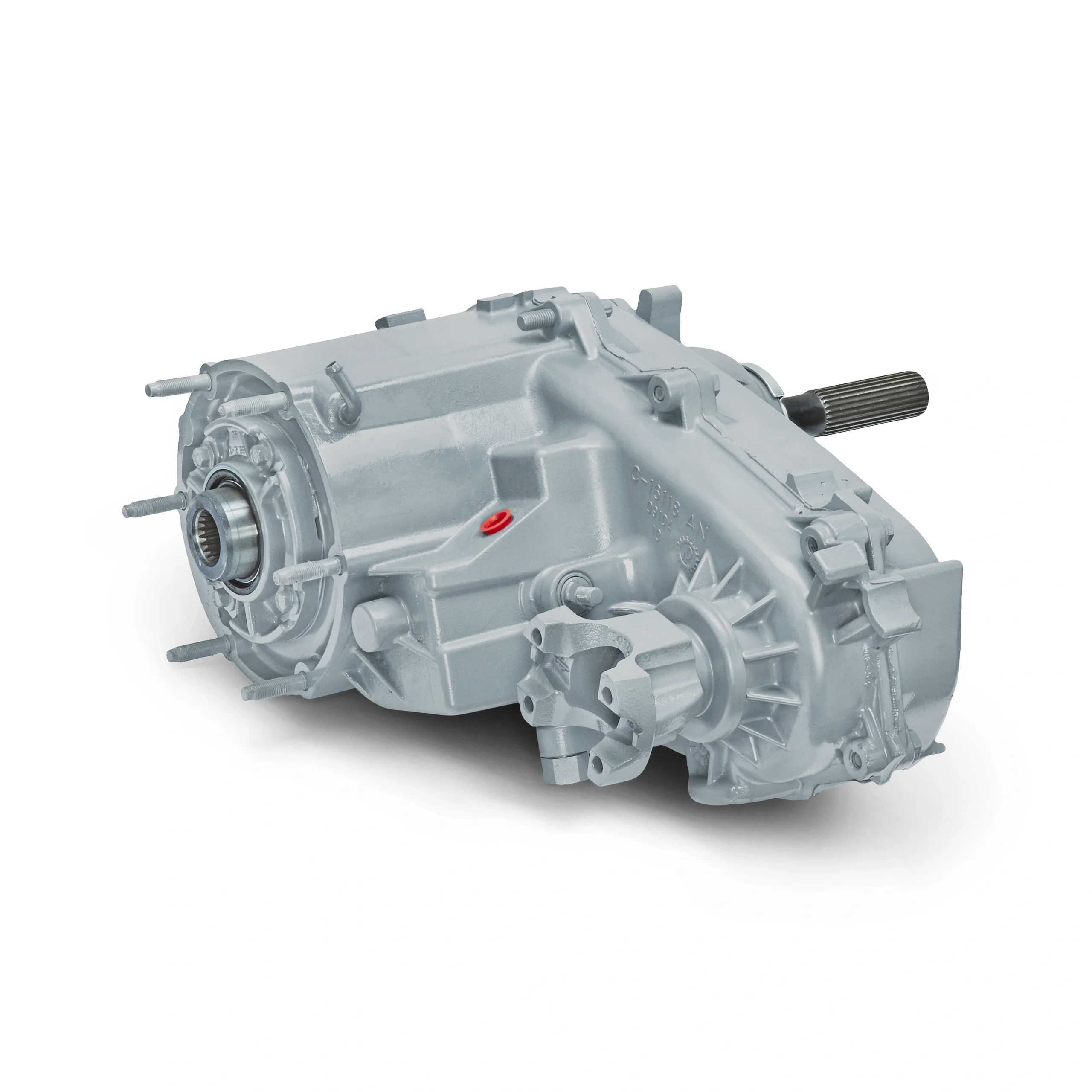
The transfer case is a gearbox that sits between the transmission and the drive axles. It splits the engine power and sends it to both the front and rear wheels. This makes it possible for a Jeep to switch between two-wheel drive (2WD) and four-wheel drive (4WD), which is key for off-roading and driving in bad weather.
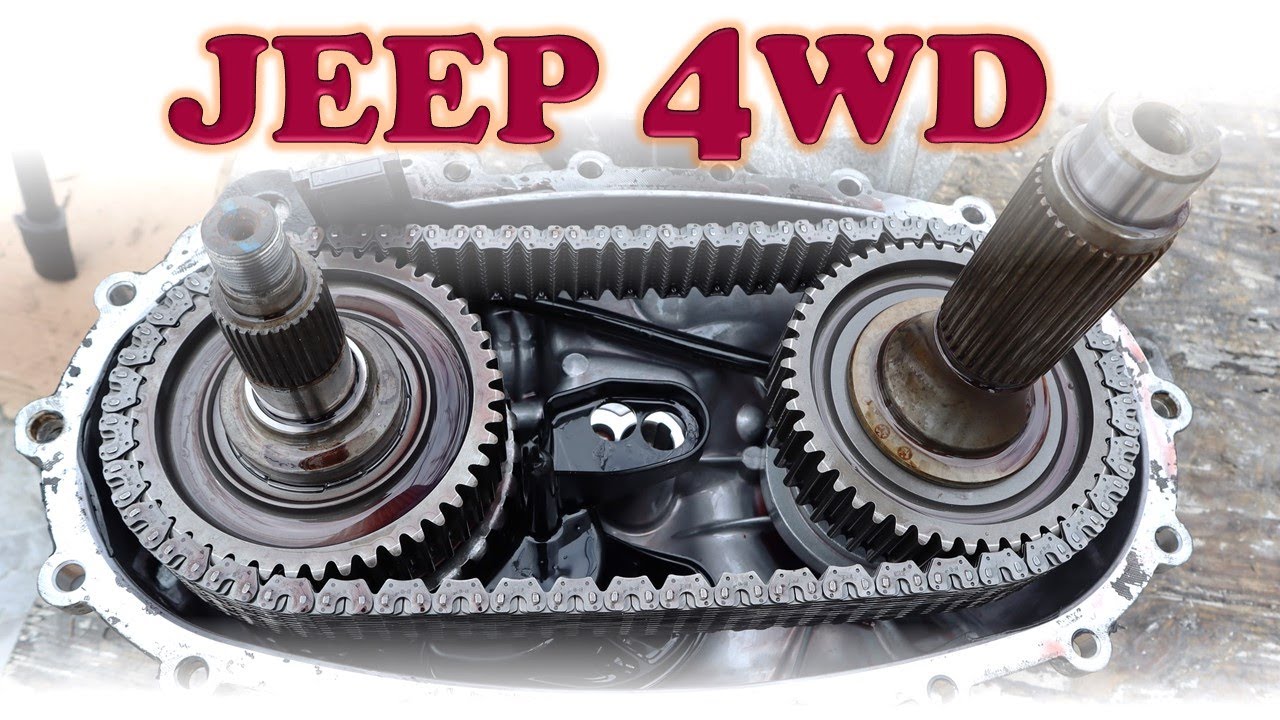
Most Jeeps with 4WD or all-wheel drive have a transfer case. It is usually made of strong metal, with a mix of gears and sometimes chains inside.
The transfer case can be shifted manually (with a lever) or electronically (with a switch or knob).
How Does A Transfer Case Work?
When you drive on a regular road, you usually use 2WD. The transfer case sends power only to the rear wheels. But if you need extra grip, you can switch to 4WD. Now, the transfer case splits the power so all four wheels help move the Jeep. This is important for mud, snow, rocks, or steep hills.
Some transfer cases also have low-range gearing. This setting gives extra torque at low speeds. It’s perfect for crawling over big rocks or pulling a heavy load up a hill. To use low-range, you shift the transfer case into a special gear, often marked as “4L.”
Types Of Jeep Transfer Cases
Jeeps come with different types of transfer cases, depending on the model and year. Here is a comparison of some common Jeep transfer cases:
| Model | Type | Operation | Low Range |
|---|---|---|---|
| NP231 | Part-time | Manual lever | 2.72:1 |
| NP242 | Full-time/Part-time | Manual lever | 2.72:1 |
| NV247 | Full-time | Electronic | 2.72:1 |
| Rock-Trac (Rubicon) | Part-time | Manual lever | 4.0:1 |
Part-time transfer cases are used only when extra traction is needed. Full-time can be used on all surfaces, including dry pavement.
Main Functions Of A Jeep Transfer Case
The transfer case does more than just send power to the front and rear wheels. Here are its main jobs:
- Switching between drive modes: Lets you choose between 2WD and 4WD.
- Splitting power: Balances torque between front and rear axles.
- Low-range gearing: Offers extra power for slow, tough driving.
- Synchronizing wheel speed: Keeps all wheels moving at the right speed in 4WD.
A common mistake is driving in 4WD on dry pavement with a part-time transfer case. This can cause binding and damage, because the wheels can’t slip to release stress.
Common Transfer Case Problems
Transfer cases are strong, but they can wear out or break if not cared for. Here are a few issues Jeep owners sometimes face:
- Fluid leaks: The transfer case has its own oil. Low fluid can cause overheating and gear damage.
- Strange noises: Grinding or whining sounds may mean worn gears or bearings.
- Difficulty shifting: If it’s hard to change between 2WD and 4WD, linkages or electronics could be the problem.
- 4WD not working: Sometimes, the transfer case does not engage 4WD properly, often due to worn parts or electrical faults.
Regular checks and fluid changes are important. Most Jeep manuals recommend changing transfer case fluid every 30,000 to 60,000 miles.
Transfer Case Vs. Transmission
Many people confuse the transfer case and the transmission. While both are gearboxes, they do different jobs.
The transmission changes the speed and torque from the engine to the driveshaft. The transfer case splits that power between the front and rear axles.
This table highlights the key differences:
| Component | Main Function | Location | Drivetrain Role |
|---|---|---|---|
| Transmission | Adjusts speed and torque | Directly behind engine | Sends power to transfer case or wheels |
| Transfer Case | Splits power front/rear | Behind transmission | Enables 4WD/low range |
Tips For Maintaining Your Jeep Transfer Case
A healthy transfer case is key for safe 4WD use. Here’s how to keep it in good shape:
- Check fluid levels regularly. Low fluid causes more wear.
- Listen for new noises. Grinding or clunking can signal trouble.
- Engage 4WD every month. Even if you don’t need it, this keeps parts moving and prevents sticking.
- Use correct 4WD mode. Only use part-time 4WD on loose surfaces.
- Service at recommended intervals. Follow your Jeep’s manual for fluid changes and inspections.
One insight many beginners miss: not all transfer cases use the same fluid. Always use the type listed in your owner’s manual.
Another thing new owners overlook: if you lift your Jeep or change tire sizes, it can stress the transfer case. Upgrades may require new gears or a heavy-duty case.
Why The Transfer Case Matters For Off-roading
When you tackle tough terrain, the transfer case is your best friend. It lets you use low-range gears for more control and power. For example, on steep hills or deep mud, 4L gives extra torque to crawl slowly without spinning your wheels. This can prevent getting stuck or damaging your Jeep.
Some Jeep models, like the Wrangler Rubicon, have advanced transfer cases with a deeper low range. This is a big reason why these Jeeps perform so well off-road compared to others.
Frequently Asked Questions
What Is The Main Purpose Of A Transfer Case?
The transfer case splits engine power between the front and rear axles, allowing your Jeep to use 4WD when needed. It also provides low-range gearing for tough terrain.
Can I Drive My Jeep On The Highway In 4wd?
You can use full-time 4WD on the highway if your Jeep has a full-time transfer case. However, part-time 4WD should only be used on loose or slippery surfaces to prevent drivetrain damage.
How Do I Know If My Transfer Case Needs Service?
Look for signs like fluid leaks, grinding noises, or trouble shifting between 2WD and 4WD. Regular service, as listed in your manual, helps avoid problems.
What Happens If The Transfer Case Fails?
A failed transfer case can leave your Jeep stuck in 2WD, 4WD, or neutral. You may also lose power to the wheels, making the Jeep undrivable. Prompt repairs are needed.
Where Can I Learn More About Jeep Transfer Cases?
For detailed technical info, visit the Wikipedia page on transfer cases.
A Jeep’s transfer case is more than just a gear box it’s the heart of what makes your vehicle so capable.
With the right care and understanding, you can enjoy all the benefits of your Jeep, on the road and off, for years to come.