The Jeep Grand Cherokee is a popular SUV known for its off-road capability and comfort. But like many vehicles, it has faced recalls over the years.
Car recalls can cause confusion for owners, especially when safety is involved. This article explains what the recall on Jeep Grand Cherokee means, why it happens, and what you should do if your vehicle is affected.
Understanding Vehicle Recalls
A vehicle recall happens when a manufacturer or the National Highway Traffic Safety Administration (NHTSA) finds a safety problem in a car. This problem could be with the design, parts, or software. When a recall is issued, it means that the vehicle may not meet safety standards and could put drivers or passengers at risk.
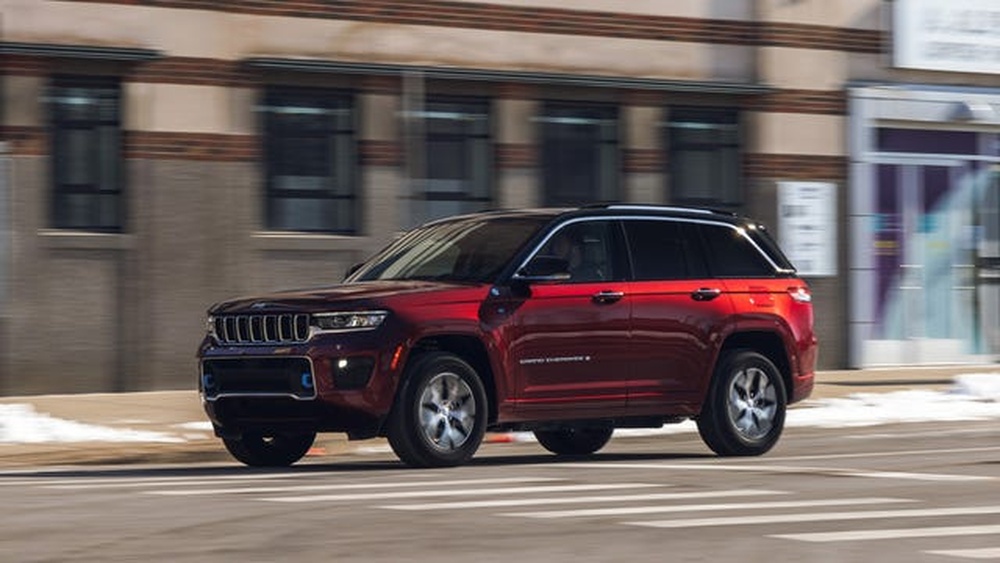
For the Jeep Grand Cherokee, recalls have covered issues like brakes, airbags, fuel systems, and even electronic controls. Recalls are not limited to new cars; older models can also be affected if a problem is discovered later.
Recent Jeep Grand Cherokee Recalls
Several recalls have affected the Jeep Grand Cherokee in recent years. Here are some of the most significant ones:
| Year | Recall Issue | Models Affected | Estimated Vehicles |
|---|---|---|---|
| 2022 | Steering Column Lock Malfunction | 2021-2022 Grand Cherokee L | Almost 99,000 |
| 2019 | Brake System Failure | 2018-2019 Grand Cherokee | Over 5,000 |
| 2016 | Rollaway Risk (Gear Shift) | 2014-2015 Grand Cherokee | Over 1.1 million |
These recalls show that problems can range from mechanical issues to software errors. The recall for rollaway risk, for example, was due to a confusing gear shifter design that could make drivers think the car was in park when it was not.
Why Recalls Happen
Car recalls often happen for a few reasons:
- Safety Risk: If a part or system could fail and cause injury or accident, a recall is likely.
- Regulatory Standards: Sometimes, cars do not meet government safety rules. Recalls fix these problems.
- Defective Parts: Even strong brands use parts from suppliers. A bad batch can cause a recall.
Jeep Grand Cherokee recalls have touched on all these reasons. For example, the steering column lock recall happened because the lock could fail, making it hard to steer or stop the car.
The brake system recall was due to a faulty valve that could make braking less reliable.
How To Check If Your Jeep Grand Cherokee Is Affected
Every recall is linked to specific Vehicle Identification Numbers (VINs). You can find your VIN on the dashboard near the windshield or on the driver’s door sticker. To check if your Jeep Grand Cherokee is part of a recall:
- Go to the official NHTSA website.
- Enter your 17-digit VIN.
- Review any recall information.
You can also contact your local Jeep dealer. They can check by VIN and tell you if your car is affected.
It’s important to act quickly if you receive a recall notice.
What To Do If Your Jeep Is Recalled
If your Jeep Grand Cherokee is under recall, follow these steps:
- Contact Your Dealer: They will schedule a free repair or replacement of the faulty part.
- Do Not Ignore Notices: Even if your car seems fine, recall problems can be hidden or develop later.
- Keep Records: Save all documents from the dealer after the recall work is done.
Repairs for recalls are always free. The law requires the car company to fix the problem at no cost to you.
Comparing Jeep Grand Cherokee Recalls To Other Suvs
How does the Jeep Grand Cherokee compare with other midsize SUVs in terms of recalls?
| SUV Model | Number of Recalls (2010-2023) | Most Common Issue |
|---|---|---|
| Jeep Grand Cherokee | 43 | Electrical & Transmission |
| Ford Explorer | 39 | Suspension & Powertrain |
| Toyota 4Runner | 15 | Airbags |
This shows that the Grand Cherokee has more recalls than some competitors. However, it’s important to remember that higher sales numbers and complex features can lead to more recalls.
Common Mistakes Owners Make With Recalls
Many owners make simple but risky errors when they hear about a recall:
- Ignoring the recall notice. Some people think the problem is minor or won’t happen to them.
- Not updating contact info. If Jeep or the dealer can’t reach you, you might miss important news.
- Delaying repairs. Waiting can increase risk, especially if the recall is for brakes or airbags.
One non-obvious tip is to check for recalls when buying a used Jeep Grand Cherokee. Some used cars still have open recalls because previous owners did not fix them.
How Recalls Affect Resale Value
A recall does not always lower your Jeep’s value. If the recall repair is done, most buyers and dealers see the car as safe.
However, if you ignore recalls, the car’s value can drop, and you may have trouble selling it.
Where To Find Reliable Recall Information
Always use trusted sources for recall news:
- NHTSA Website: The official place for U.S. recalls.
- Jeep’s Official Site: They post recall details and offer help.
- Dealerships: Your local Jeep dealer can give you up-to-date info.
For more on vehicle safety and recalls, you can visit the National Highway Traffic Safety Administration.
Frequently Asked Questions
What Is The Most Serious Jeep Grand Cherokee Recall?
The rollaway risk recall in 2016 was one of the most serious. A gear shifter design flaw caused cars to move when parked, leading to several injuries and at least one death.
How Long Does A Recall Repair Take?
Most repairs for recalls are done in a few hours. However, if many cars are affected, parts may take longer to arrive, so schedule early.
Is It Safe To Drive My Jeep Grand Cherokee Before Recall Repair?
It depends on the recall. For issues like airbags or brakes, limit driving and get repairs done as soon as possible.
Are Recall Repairs Really Free?
Yes, all recall repairs must be done for free by law. If a dealer tries to charge you, contact Jeep customer service or the NHTSA.
Can I Sell My Jeep With An Open Recall?
You can sell it, but you should tell the buyer about the recall. Some states require all recalls to be fixed before selling a car.
n
Staying informed about recalls is part of responsible car ownership. If you drive a Jeep Grand Cherokee, check for recalls every year even if you don’t get a notice.
This simple step keeps you and your passengers safe on the road.