If your check engine light suddenly turns on and your scanner shows the P0300 trouble code, you’re probably wondering what caused it and how serious the issue is.
The P0300 code means your engine is experiencing random or multiple cylinder misfires. In simple terms, one or more cylinders are not burning fuel correctly.
This problem affects almost every type of vehicle, including:
- Jeep
- Ford
- Chevrolet
- Toyota
- Honda
- Nissan
- BMW
- Hyundai
- Dodge
- GMC
The most common cause of a code P0300 is worn spark plugs or failing ignition coils. However, fuel delivery problems, vacuum leaks, bad sensors, and engine compression issues may also trigger the code.
Some drivers notice a rough idle and shaking. Others experience poor acceleration, engine hesitation, or reduced fuel economy.
The good news is that most P0300 problems are fixable once you identify the root cause.
This guide explains:
- What the P0300 code means
- The most common causes
- Symptoms to watch for
- How to diagnose the issue
- Repair costs
- Whether it is safe to drive
- How to prevent future misfires
Let’s start with the basics.
What Does the P0300 Code Mean?
The P0300 diagnostic trouble code indicates the engine control module detected random or multiple cylinder misfires.
Every gasoline engine relies on three main things for proper combustion:
- Fuel
- Air
- Spark
If one of these becomes inconsistent, combustion fails, and a misfire occurs.
Unlike codes such as P0301 or P0302, which identify a specific cylinder, P0300 means the misfires are occurring randomly across multiple cylinders.
The engine computer monitors crankshaft speed changes to detect uneven combustion.
When a cylinder fails to produce normal power, the crankshaft slows slightly during that combustion cycle. The computer notices this irregularity and stores the P0300 code.
What Is the Most Common Cause of a Code P0300?
The most common cause of a code P0300 is worn spark plugs.
Spark plugs create the electrical spark needed to ignite the air-fuel mixture inside the combustion chamber.
Over time, spark plugs wear down because of:
- Heat
- Carbon buildup
- Oil contamination
- Electrode wear
- Age
When spark plugs become weak or damaged, combustion becomes inconsistent.
This often leads to:
- Rough idle
- Engine shaking
- Hesitation
- Poor fuel economy
- Check engine light
Many vehicles require spark plug replacement between 30,000 and 100,000 miles, depending on the plug type.
Ignoring old spark plugs places extra stress on ignition coils and other engine components.
Faulty Ignition Coils Are Another Major Cause
Right behind spark plugs, ignition coils are another leading cause of P0300.
Ignition coils convert low battery voltage into the high voltage needed for spark generation.
A failing ignition coil may:
- Produce a weak spark
- Fire inconsistently
- Fail under load
Symptoms often include:
- Misfires during acceleration
- Rough idle
- Loss of power
- Flashing check engine light
Modern vehicles commonly use coil-on-plug ignition systems, where each cylinder has its own coil.
When multiple coils begin weakening at the same time, random misfires become common.
Vacuum Leaks Frequently Trigger P0300
Vacuum leaks are another extremely common cause.
Your engine carefully measures incoming air.
When unmetered air enters through cracked hoses or leaking gaskets, the air-fuel mixture becomes lean.
Lean conditions make combustion unstable and create misfires.
Common vacuum leak locations include:
- Intake manifold gasket
- PCV hose
- Brake booster hose
- Vacuum lines
- Throttle body gasket
A vacuum leak often creates:
- Rough idle
- Hissing noise
- High idle speed
- Lean fuel codes
Fuel Injector Problems
Fuel injectors spray fuel into the combustion chamber.
If an injector becomes clogged or stops working correctly, the affected cylinder may misfire.
Dirty injectors commonly occur because of:
- Poor fuel quality
- Carbon deposits
- Old fuel filters
- High mileage
Symptoms include:
- Engine hesitation
- Rough idle
- Fuel smell
- Poor acceleration
Some direct injection engines are especially vulnerable to injector carbon buildup.
Low Fuel Pressure Can Cause Random Misfires
The fuel system must maintain proper pressure for consistent combustion.
A weak fuel pump or failing pressure regulator may reduce fuel delivery.
This often causes:
- Hard starts
- Engine sputtering
- Loss of power
- Misfires under load
Low fuel pressure problems become more noticeable during acceleration or climbing hills.
Bad Mass Air Flow Sensor
The mass air flow sensor measures incoming air volume.
If the sensor sends incorrect data to the engine computer, fuel delivery becomes inaccurate.
This creates:
- Rich fuel mixtures
- Lean fuel mixtures
- Hesitation
- Random misfires
Dirty MAF sensors are common in vehicles with neglected air filters.
Oxygen Sensor Problems
Oxygen sensors monitor exhaust gases.
Faulty sensors may provide incorrect feedback to the engine computer.
This can disrupt the air-fuel ratio and trigger the P0300 code.
Symptoms often include:
- Reduced fuel economy
- Rough running
- Hesitation
- Additional fuel trim codes
Engine Compression Problems
Mechanical engine damage may also create random misfires.
Examples include:
- Burnt valves
- Worn piston rings
- Blown head gasket
- Timing chain problems
- Camshaft wear
Compression-related misfires are usually more serious and expensive.
Low compression reduces combustion efficiency and engine power.
Carbon Buildup in Modern Engines
Carbon deposits inside the combustion chamber can interfere with ignition.
Direct injection engines are especially prone to carbon buildup because fuel no longer washes intake valves clean.
Heavy deposits may:
- Disrupt airflow
- Absorb fuel
- Create hot spots
- Cause rough idle
Carbon cleaning sometimes resolves persistent P0300 problems.
Common Symptoms of a P0300 Code
The symptoms vary depending on how severe the misfires are.
Some vehicles only idle roughly occasionally.
Others may barely run.
Here are the most common signs.
Check Engine Light
The check engine light is the most obvious symptom.
- Solid light usually indicates mild misfires
- A flashing light often signals severe misfires
A flashing light means catalytic converter damage may occur.
Rough Idle
The engine may shake while stopped.
You may feel vibrations through:
- Steering wheel
- Seats
- Dashboard
Hesitation During Acceleration
Misfires reduce engine power.
Drivers often notice sluggish acceleration or hesitation when pressing the gas pedal.
Poor Fuel Economy
Incomplete combustion wastes fuel.
Vehicles with P0300 often consume more gasoline than normal.
Hard Starting
Some engines struggle to start when multiple cylinders misfire.
Extended cranking is common.
Fuel Smell
Unburned fuel may enter the exhaust system.
This creates a noticeable gasoline odor.
Engine Stalling
Severe misfires may cause the engine to stall during idle or low-speed driving.
How to Diagnose a P0300 Code
Proper diagnosis saves money.
Replacing random parts without testing often creates frustration and unnecessary repair bills.
Follow these steps.
Step 1: Scan for Additional Codes
Use an OBD2 scanner to check for related trouble codes.
Additional codes often reveal the root cause.
Examples include:
| Code | Meaning |
|---|---|
| P0301 | Cylinder 1 misfire |
| P0171 | Lean fuel condition |
| P0420 | Catalytic converter issue |
| P0201 | Injector circuit problem |
Step 2: Inspect Spark Plugs
Remove the spark plugs.
Look for:
- Carbon deposits
- Oil contamination
- Cracks
- Burnt electrodes
Replace worn plugs.
Step 3: Test Ignition Coils
Swap ignition coils between cylinders.
If the misfire follows the coil, the coil is defective.
Step 4: Check for Vacuum Leaks
Inspect hoses and intake gaskets.
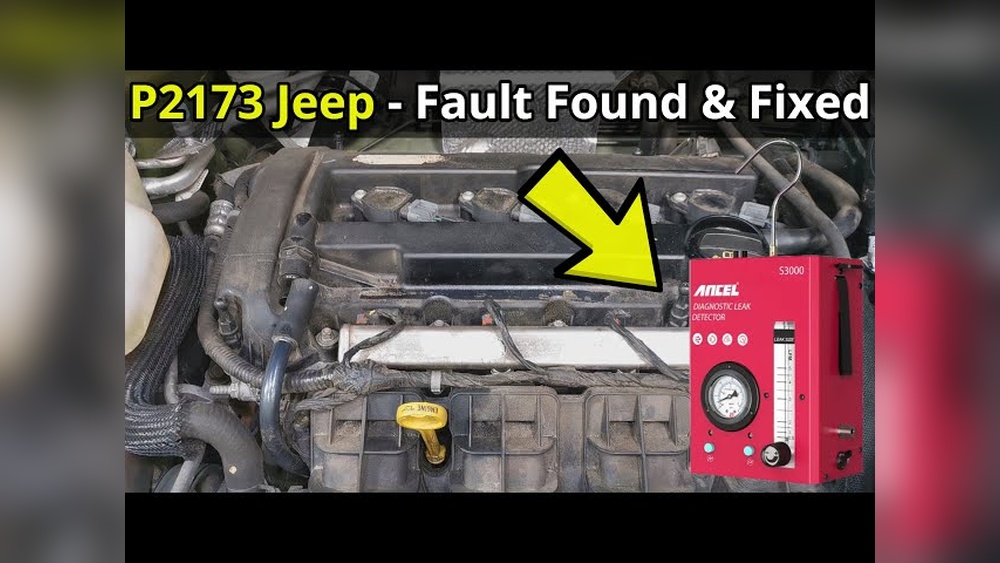
A smoke test is one of the best ways to locate hidden vacuum leaks.
Step 5: Test Fuel Pressure
Connect a fuel pressure gauge.
Low pressure may indicate:
- Weak fuel pump
- Clogged fuel filter
- Bad pressure regulator
Step 6: Inspect Fuel Injectors
Listen for injector clicking sounds.
Non-functioning injectors often become silent.
Step 7: Perform Compression Testing
Compression testing helps identify internal engine damage.
Low compression usually points toward mechanical problems.
Is It Safe to Drive With a P0300 Code?
Driving with a P0300 code is risky.
A mild misfire may allow short trips, but severe misfires can damage expensive components.
Unburned fuel entering the exhaust system overheats the catalytic converter.
Catalytic converter replacement is expensive.
You should avoid driving if:
- The check engine light flashes
- The engine shakes heavily
- Power loss becomes severe
- Stalling occurs repeatedly
Short trips to a repair shop are usually acceptable if drivability remains manageable.
How Much Does It Cost to Fix P0300?
Repair costs vary depending on the root cause.
Here are average repair estimates.
| Repair | Estimated Cost |
|---|---|
| Spark plug replacement | $100 to $400 |
| Ignition coil replacement | $100 to $500 |
| Fuel injector replacement | $200 to $900 |
| Vacuum leak repair | $100 to $600 |
| Fuel pump replacement | $400 to $1,200 |
| MAF sensor replacement | $150 to $450 |
| Oxygen sensor replacement | $150 to $500 |
| Compression repair | $1,500 to $5,000+ |
| Catalytic converter replacement | $900 to $2,500 |
Labor costs vary by vehicle type and location.
Luxury vehicles usually cost more to repair.
DIY Fixes for a P0300 Code
Some repairs are beginner-friendly.
Replace Spark Plugs
Replacing old spark plugs is often the first and easiest fix.
Always use the manufacturer-recommended plug type.
Replace Ignition Coils
Many modern ignition coils are easy to replace using basic tools.
Clean the Mass Air Flow Sensor
Use a dedicated MAF cleaner spray.
Never touch the delicate sensor wires.
Add Fuel Injector Cleaner
Fuel system cleaners may help with mild injector clogging.
Replace Damaged Vacuum Hoses
Vacuum hoses are inexpensive and easy to install.
Common Mistakes When Diagnosing P0300
Many drivers waste money because they skip proper testing.
Avoid these mistakes.
Replacing Parts Without Diagnosis
Guessing rarely works.
Testing saves time and money.
Ignoring Additional Trouble Codes
Related codes provide valuable clues.
Replacing Only One Spark Plug
If one plug is worn, the others are usually close to failure too.
Ignoring Fuel Quality
Poor fuel quality contributes to injector clogging and carbon buildup.
Delaying Repairs
Small misfires often become expensive repairs later.
How to Prevent a P0300 Code
Preventive maintenance greatly reduces the chances of random misfires.
Replace Spark Plugs on Schedule
Old spark plugs increase stress on ignition components.
Use Quality Fuel
Good fuel helps reduce deposits and injector clogging.
Change Air Filters Regularly
A clean air filter supports proper combustion.
Inspect Vacuum Hoses
Rubber hoses crack with age and heat exposure.
Clean Fuel Injectors Periodically
Injector cleaning helps maintain smooth fuel delivery.
Maintain Proper Oil Changes
Dirty oil may affect variable valve timing systems.
Address Small Problems Early
Minor drivability issues often become major repairs when ignored.
Vehicles Commonly Affected by P0300
The P0300 code appears across almost every vehicle brand.
Some commonly affected models include:
- Jeep Grand Cherokee
- Dodge Ram
- Ford F-150
- Chevy Silverado
- Toyota Camry
- Honda Accord
- Nissan Altima
- BMW 3 Series
- Hyundai Sonata
- GMC Sierra
High-mileage vehicles are especially vulnerable.
<!– wp:rank-math/faq-block {"questions":[{"id":"faq-question-c584a3ac1af6","title":"Can bad gas cause a P0300 code?","content":"Yes.u003cbru003eContaminated or low-quality gasoline may create combustion problems and trigger misfires.
“,”visible”:true},{“id”:”faq-question-64beca3c55f1″,”title”:”Does P0300 mean the engine is bad?”,”content”:”No.u003cbru003eMost P0300 problems involve ignition or fuel system issues rather than complete engine failure.
“,”visible”:true},{“id”:”faq-question-edcf9644fbcc”,”title”:”Can a bad battery trigger P0300?”,”content”:”Low voltage may affect ignition performance and sensor readings.
“,”visible”:true},{“id”:”faq-question-016dbfbdb6cd”,”title”:”Will P0300 clear itself?”,”content”:”Temporary misfires sometimes disappear, but recurring misfires require diagnosis.
“,”visible”:true},{“id”:”faq-question-accc479e6038″,”title”:”Can low oil cause misfires?”,”content”:”Low oil may interfere with variable valve timing systems in some engines.
“,”visible”:true},{“id”:”faq-question-891e4f126c16″,”title”:”Is P0300 expensive to fix?”,”content”:”Minor repairs like spark plugs are relatively affordable. Mechanical engine damage is much more expensive.
“,”visible”:true},{“id”:”faq-question-c69e42defda6″,”title”:”What happens if you ignore P0300?”,”content”:”Ignoring misfires may damage the catalytic converter and reduce engine lifespan.
“,”visible”:true}]} –>Can bad gas cause a P0300 code?
Yes.u003cbru003eContaminated or low-quality gasoline may create combustion problems and trigger misfires.
Does P0300 mean the engine is bad?
No.u003cbru003eMost P0300 problems involve ignition or fuel system issues rather than complete engine failure.
Can a bad battery trigger P0300?
Low voltage may affect ignition performance and sensor readings.
Will P0300 clear itself?
Temporary misfires sometimes disappear, but recurring misfires require diagnosis.
Can low oil cause misfires?
Low oil may interfere with variable valve timing systems in some engines.
Is P0300 expensive to fix?
Minor repairs like spark plugs are relatively affordable. Mechanical engine damage is much more expensive.
What happens if you ignore P0300?
Ignoring misfires may damage the catalytic converter and reduce engine lifespan.
Final Thoughts
If you’re asking what is the most common cause of a code P0300 is, the answer is usually worn spark plugs or failing ignition coils.
These components handle the ignition process, and even small failures can create random misfires.
However, the P0300 code may also involve:
- Vacuum leaks
- Fuel injector issues
- Low fuel pressure
- Sensor failures
- Engine compression problems
Fast diagnosis matters.
Ignoring the problem may lead to expensive catalytic converter damage and worsening engine performance.
Start with the basics:
- Inspect spark plugs
- Test ignition coils
- Check fuel pressure
- Look for vacuum leaks
- Scan for additional codes
Most P0300 repairs are manageable when caught early.
Routine maintenance remains the best defense against future misfires and engine problems.